Mario Solinas Quality Award 2011: Spain and Portugal Sweep
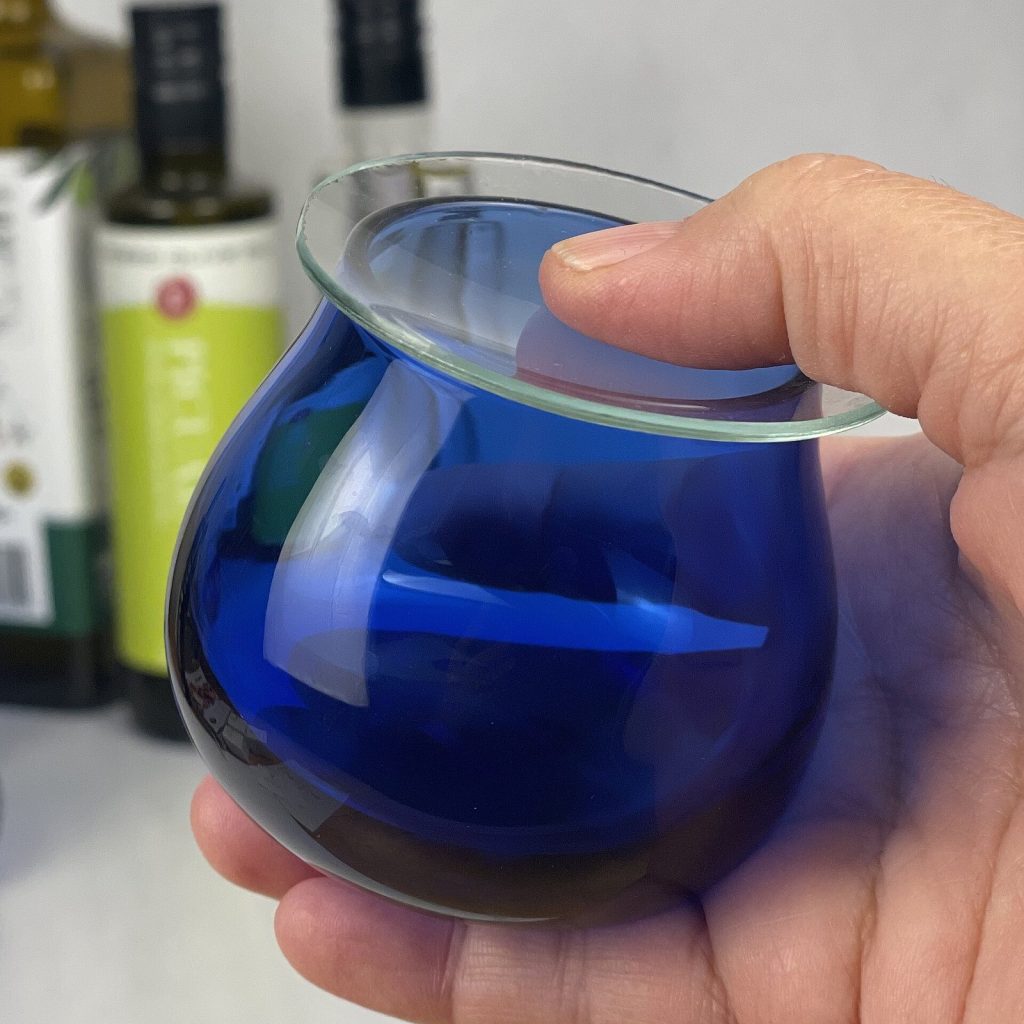
Spain and Portugal have taken all three top prizes in the International Olive Council’s 2011 Mario Solinas Quality Award, announced on Friday 20 May: El Labrador of Spain in the intense green category, and the Portuguese producers SAOV and Sociedade Agrícola do Conde in the medium green and ripe categories. Ninety-seven oils were entered, up from 75 last year. Here are the results, how this competition differs from most, and what a Solinas medal on a bottle actually tells you.
The results
| Category | Winner | Second and third |
|---|---|---|
| Intense green fruitiness | El Labrador (Spain) | Aceites Campoliva (Spain); a producer from Greece |
| Medium green fruitiness | SAOV, Sociedade Agrícola Ouro Vegetal (Portugal) | A Portuguese producer; Almazaras de la Subbética (Spain) |
| Ripe fruitiness | Sociedade Agrícola do Conde (Portugal) | Gallo Worldwide (Portugal); Sovena España (Spain) |
The entries tell their own story: 42 from Spain, 39 from Portugal, nine from Greece, three from Turkey, and one each from France, Israel, Italy and Morocco. Of the nine other finalists, all but one came from Spain or Portugal; the exception was France’s Château Virant in the medium category. El Labrador, a family company from Málaga, also won the intense category in 2008. The prizes are due to be handed over at the IOC’s headquarters in Madrid on 17 June.
Italy, the name most shoppers connect with olive oil, sent a single entry. Portugal came within three entries of Spain and took two of the three first prizes, which is a result its producers will be quoting for a while.
How the competition works
Many olive oil competitions ask only for a few bottles. The Mario Solinas rules for the 2010/11 crop year ask for a good deal more, and the details are worth knowing:
- Only extra virgin olive oil from the current crop year can enter, and it must meet the IOC trade standard for that grade.
- The entry must come from a single, uniform batch of at least 3,000 litres held in one tank. A notary takes the samples and seals the tank until the competition is over.
- Each producer may enter only one oil, with a laboratory certificate and a tasting panel certificate from IOC-recognized bodies.
- Oils are grouped by the intensity of their fruitiness: intense green (a median above 6), medium green (between 3 and 6), and ripe.
- IOC-recognized panels score every oil. The six best in each group go to an international jury, and a prize needs at least 70 points in the green groups or 65 in the ripe one.
- Winners receive a medal and a diploma, and may mention the prize on the labels of oil from the same batch as the winning sample.
The award is named for Mario Solinas, a researcher who worked closely with the IOC on standardizing quality criteria. The Council decided to create it in 1993 and first ran it in the 2000/01 season.
What it means for buyers
The most telling remark of the week came from the winner. Andrés López López, whose family makes El Labrador, told Olive Oil Times that despite a shelf of major awards it was hard to get a good price: “We are selling it at the same price as four years ago.” His daughter Rosario put it more bluntly: the family is passionate about making high quality oil, “but we can’t find buyers for it.” Half a litre of the prize-winning oil sells for about €10 in the gourmet section of El Corte Inglés.
That is the Spanish price slump seen from the top of the quality ladder. If the best oil in its class cannot command a premium at home, the problem is not quality. It is that most shoppers cannot tell the difference and are not given a reason to try. Learning to taste oils blind at home is the cheapest cure there is.
For anyone who wants to explore the winners’ side of the border, Portuguese olives and oils are well worth exploring, and this year’s results make a fair shopping list.
A medal on a bottle is only as honest as the batch it refers to. The Solinas rules tie the prize to one sealed tank of at least 3,000 litres, so check that the bottle carries the same crop year as the award. A medal sticker from an earlier harvest describes a different oil. And not every contest is this strict: where only a few bottles are asked for, those bottles can come from a special lot that never reaches a shop, which is why I trust the date on the label more than the gold on it.
Sources
- Olive Oil Times: Mario Solinas Extra Virgin Olive Oil Quality Award Winners Announced, 21 May 2011 (archived copy)
- International Olive Council: Mario Solinas Quality Award, competition rules for the 2010/11 crop year (PDF, archived copy)