Australia Publishes Its Olive Oil Standard, AS 5264
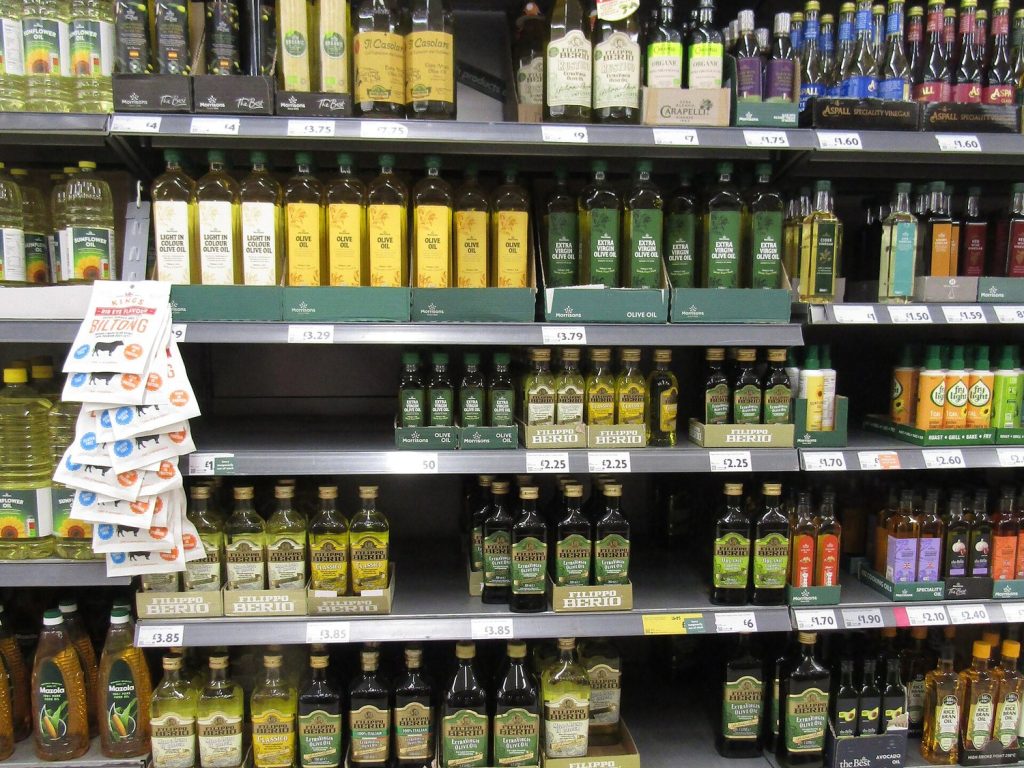
Australia has its own standard for olive oil: Standards Australia published AS 5264-2011, the Australian Standard for Olive Oils and Olive-Pomace Oils, on Wednesday 20 July. It defines the grades, spells out what extra virgin means, sets testing methods and labeling rules, and goes after words like “light” and “pure”. Here is what is in it, why the International Olive Council objected, and what it means for anyone reading an Australian label.
What was published
The standard is the end of a process that began in late 2009 and was formally agreed in May 2010. The Australian Olive Association says it drew almost 800 public submissions, which is a lot of letters for a technical document about cooking oil. It was written by Leandro Ravetti, a member of Standards Australia’s technical committee FT-034, working to a committee drawn from across the industry and resolving its comments.
According to Standards Australia, the new standard will:
- Clearly set out the different grades of oil, fresh or refined.
- Define without ambiguity what extra virgin olive oil is.
- Include current, effective tests for quality and authenticity.
- Give a technical basis for “best before” dates.
- Set labeling requirements meant to cut consumer confusion.
- Crack down on the misuse of “premium”, “super”, “pure” and “light” or “lite”.
- Require claims of country or region of origin, and of processing methods such as “cold pressed” or “first extraction”, to be backed up.
- Allow for the natural differences between countries, varieties and regions without weakening the ability to test and verify quality.
On free acidity, the headline number, Australia stays in line with international rules: extra virgin may not exceed 0.8 percent. Ravetti said he would personally have liked a lower limit, but that the document is the result of consensus and departs from international rules only where the technical evidence was strong.
| Label word | What shoppers often assume | What it usually means in the trade |
|---|---|---|
| Light / lite | Fewer calories | A refined oil, light in flavor and color |
| Pure | The best, unmixed oil | Refined oil blended with some virgin oil |
| Premium, super | A higher grade | No defined grade at all |
| Cold pressed, first extraction | A better method | Claims that must now be backed up under AS 5264 |
Why the IOC objected
Australia and New Zealand are not members of the International Olive Council, and they have long argued that IOC rules do not protect their consumers or their growers well enough. The dispute over campesterol, a sterol that some honest Australian oils carry at levels the international limit treats as suspect, has been running for years.
When the draft appeared, the IOC answered in February with a statement listing about twenty “discrepancies” with its own standard, covering definitions, categories and testing methods. It warned that parts of the draft could become “barriers to international trade” and could even make adulteration “easier”, and asked for the draft to be re-examined. Standards Australia went ahead. Its chief executive, Colin Blair, says the standard sets “a benchmark for olive oil quality to ensure that consumers get the product they pay for.” Paul Miller, president of the Australian Olive Association, called it a significant step that puts consumers in a much stronger position.
What it means for buyers
The catch is in one word: voluntary. AS 5264 is a standard, not a law. It tells producers, importers and retailers what honest labeling looks like; it does not force anyone to follow it. How much it changes the shelf will depend on who adopts it, and on whether regulators such as the ACCC use it as a yardstick when they look at misleading claims.
Even so, it gives Australian shoppers something they have not had before: a local, public definition to hold a label against. If a bottle says “light”, the question is now simple. Light in what? In calories, it never was. It is a refined oil sold on a flattering word.
In the trade, “light” always meant light in flavor and color, which is to say refined. It was never a diet claim, and plenty of shoppers read it as one. The same goes for “pure”, which on an olive oil label has usually meant a blend of refined oil with a splash of virgin. A standard that makes sellers justify those words is aimed straight at the most profitable part of the shelf.
Sources
- Australian Olive Association: Australian Standards (AS 5264-2011 published 20 July 2011)
- Olive Oil Times: Olive Council Calls Proposed Aussie Standards “Barriers to Trade”, 18 February 2011 (archived copy)
- Olive Oil Times: Australia Adopts New Voluntary Standards for Olive Oil, 20 July 2011 (archived copy)