Paso Robles Doubles Its Olive Oil Tasting Classes
The UC Davis Olive Center and the California Olive Oil Council are running two olive oil sensory evaluation classes at the Paso Robles Inn on 19 August, the day before the Paso Robles Olive Festival, after last year’s single class sold out and turned people away. The classes cost 95 dollars each, one introductory and one advanced. It is a small piece of news that says something larger about who is finally learning to taste.
What is on offer
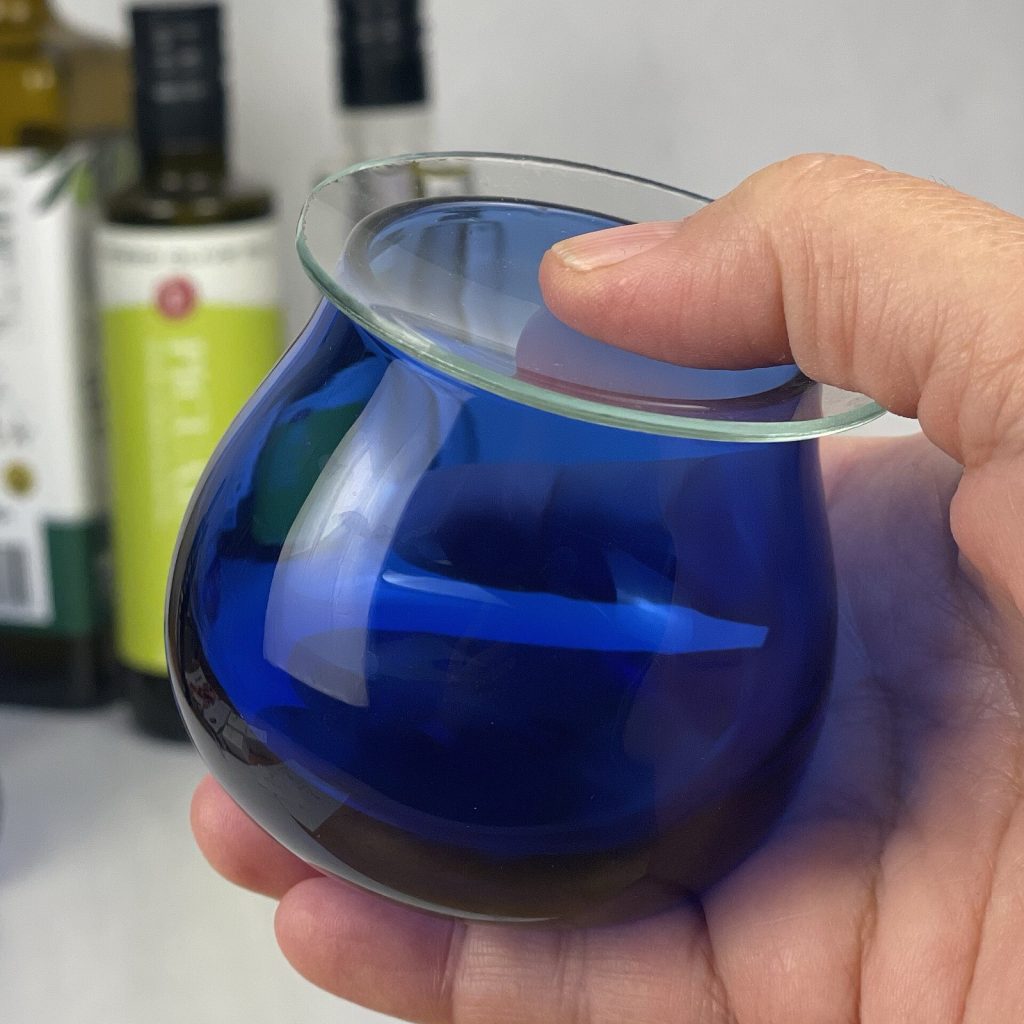
The introductory session runs in the morning and is built for people who sell or use olive oil but have never been trained: retailers, millers, growers, restaurant buyers. It covers the sensory attributes, the vocabulary, and then a run of oils tasted using the protocol that International Olive Council accredited panels use, including the blue glass with its watch-glass cover.
A good deal of the morning goes on defects. Alexandra Kicenik Devarenne, the Sonoma County consultant teaching alongside taste panel member Sandy Sonnenfeld, is blunt about why: the negative attributes are rampant, so people have to learn them, taste them once, and move on. Fustiness gets named and explained, then the class goes back to what good oil actually smells like and why variety, ripeness, temperature and climate change it.
The afternoon advanced class is for people who have tasted before, and goes further into processing, blending, irrigation and cultural practice, and into quality oils from around the world. Participants can take both. The Olive Center’s assistant director, Nicole Sturzenberger, says capacity has been doubled this year because last year’s class filled and stayed full.
Why 95 dollars is the interesting number
A UC Davis short course usually costs around 275 dollars for a day. Ninety-five dollars for a half day, tied to a public festival, is a deliberate attempt to reach people who would never sign up for a technical course: the shop owner, the deli buyer, the chef who orders by the case.
That is the useful part. Chemistry can tell a laboratory whether an oil meets a standard, but it is a trained nose that catches an oil that has gone flat in a warm storeroom, or a blend that was fine at bottling and tired by the time it reached the shelf. Any buyer who can taste stops buying badly quite quickly.
- The festival itself is on Saturday 20 August in downtown Paso Robles, with tastings, food and wine.
- Classes are held the day before at the Paso Robles Inn, morning and afternoon.
- Registration is through the UC Davis Olive Center, and both sessions are limited.
The wider point
California has spent the past few years arguing about standards, labels and imported oil that does not meet them. Training buyers is the slower half of that fight and probably the more durable one. A state can write a grade standard, but nothing protects a shopper like a retailer who can tell rancid from fresh without sending a sample to a laboratory.
We have covered the Paso Robles festival since its fourth year and through the 2008 edition. If you want to practice before you pay for a class, our guide to tasting olive oil blind at home uses the same order of operations, and this older piece explains why the glass is blue.
Most people at a tasting bar are being taught to like an oil, not to judge it. The tell is what the host does with a faulty sample. A trade class starts with the defects and makes you smell them; a sales tasting never mentions them at all. If you have half an hour at a festival, find the stand that will pour you something flawed on purpose.
Sources
- Olive Oil Times: Sensory Evaluation Classes Return to Paso Robles Olive Festival, 28 July 2011 (archived copy)
- UC Davis Olive Center: Sensory Evaluation of Olive Oil classes, 19 August 2011 (archived copy)
- Paso Robles Olive Festival, 20 August 2011 (archived copy)