Marco Mugelli, Who Taught Italy to Taste Its Oil, Dies
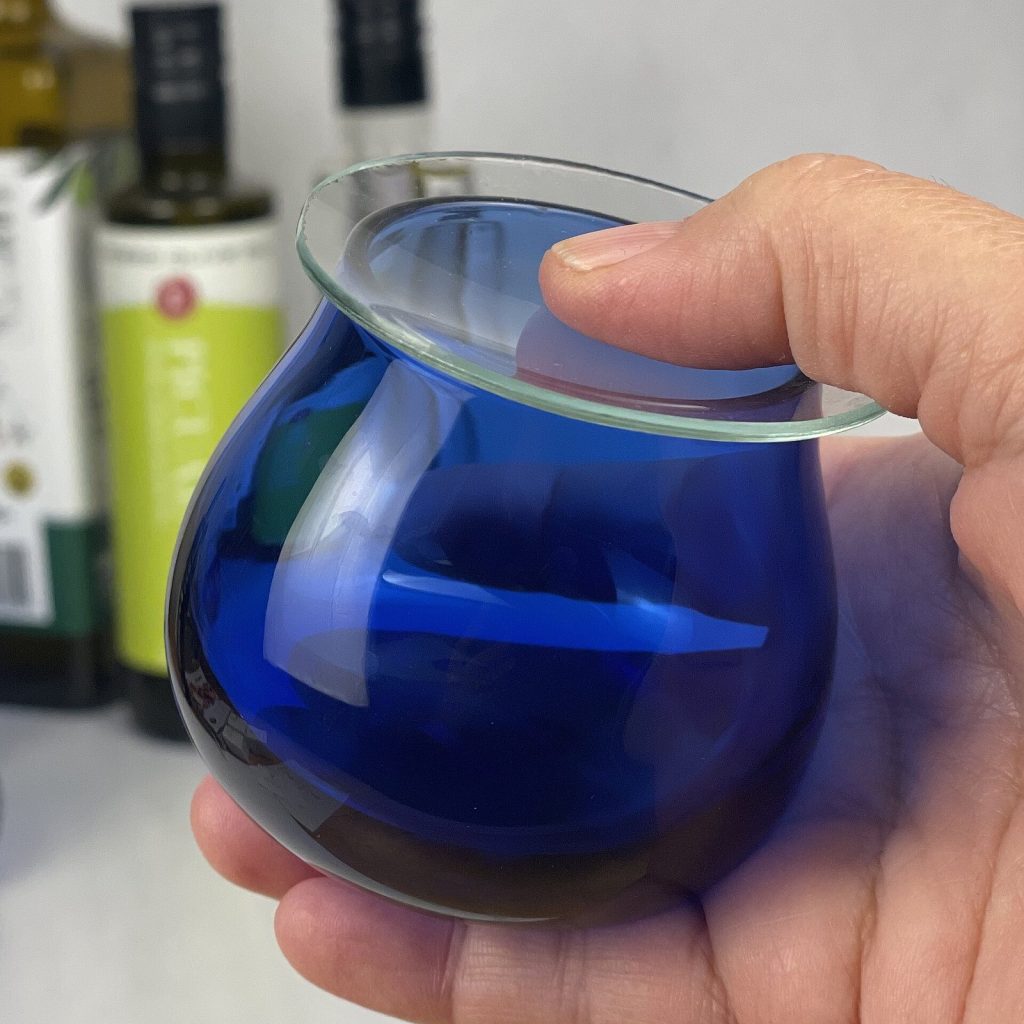
Marco Mugelli, the Tuscan agronomist who did more than anyone to turn olive oil tasting into a profession in Italy, died on 24 August at the Careggi hospital in Florence after an emergency operation. He was 62. His funeral was held on 26 August at the chapel of the Torre Bianca estate at San Casciano Val di Pesa. For an industry that argues constantly about chemistry and labels, his work sat in an awkward place: he insisted that the oil itself, tasted properly, was the evidence.
What he did
Mugelli was born on 15 December 1948 and trained as an agronomist. He worked across the whole chain rather than one corner of it: soils and varieties, growing and pruning, harvest timing, and then the mill, where he pushed hard on extraction technique and on the machinery itself. If you have heard a miller argue about malaxation time and temperature as though the quality of the year depended on it, you have heard an argument he helped start.
He founded and led ANAPOO, the Italian association of professional olive oil tasters, and that is probably the work with the longest shadow. Before trained panels became normal, a producer’s claim about his own oil rested on family pride. Panels made defects nameable, and once a defect has a name it can be traced back to a bruised harvest, a dirty mill or a warm storeroom, and then fixed.
Why the trade argued with him
Mugelli was not a diplomat. Italian tributes have been open about it: a strong Tuscan character, forever at the front of the ship, often in disagreement with people who liked things as they were. He believed quality was measurable and that the sector should be judged on it, and that position makes enemies in a business where a great deal of money is made blending oils whose origins are best not discussed.
The disputes matter because of what they were about. Whether a tasting panel can be trusted alongside laboratory results is one of the live questions of this decade, and the Australian standard published last month puts it back on the table. Mugelli’s answer was always that trained tasters catch what the chemistry misses, so the answer is to train more of them and audit them properly.
What his work left behind
Tuscany’s reputation for oil did not happen by itself. The state of that region’s milling, the habit of harvesting earlier for flavor rather than for weight, and the idea that a producer should know the sensory profile of his own oil before a buyer tells him, all owe something to his stubbornness.
- Trained tasters are the reason a defect can be named, traced and designed out of next season.
- Early harvest costs yield and buys flavor and stability. That trade-off is now standard advice.
- Mill design and process settings decide most of what a good grove can deliver.
If you want to understand the craft he spent his life on, start with how olive oil is actually made, and with why tasting is treated as a discipline. The lengths some Tuscan producers go to in order to protect freshness are described in this piece from our archive.
A producer who has worked with a trained panel talks about his oil differently. He will tell you what he was aiming for, what the season gave him instead, and what he would change. A seller who has never had his oil in front of a panel talks only about awards and family history. That difference in conversation is the cheapest quality test you will ever run.
Sources
- Teatro Naturale: Il mondo dell’olio piange Marco Mugelli
- Civiltà del bere: Il mondo dell’olio in lutto per la morte di Marco Mugelli
- Olive Oil Times: Marco Mugelli, Noted Olive Oil Expert, Has Died