Consumer Reports Olive Oil Test: Only 9 of 23 Pass as Extra Virgin
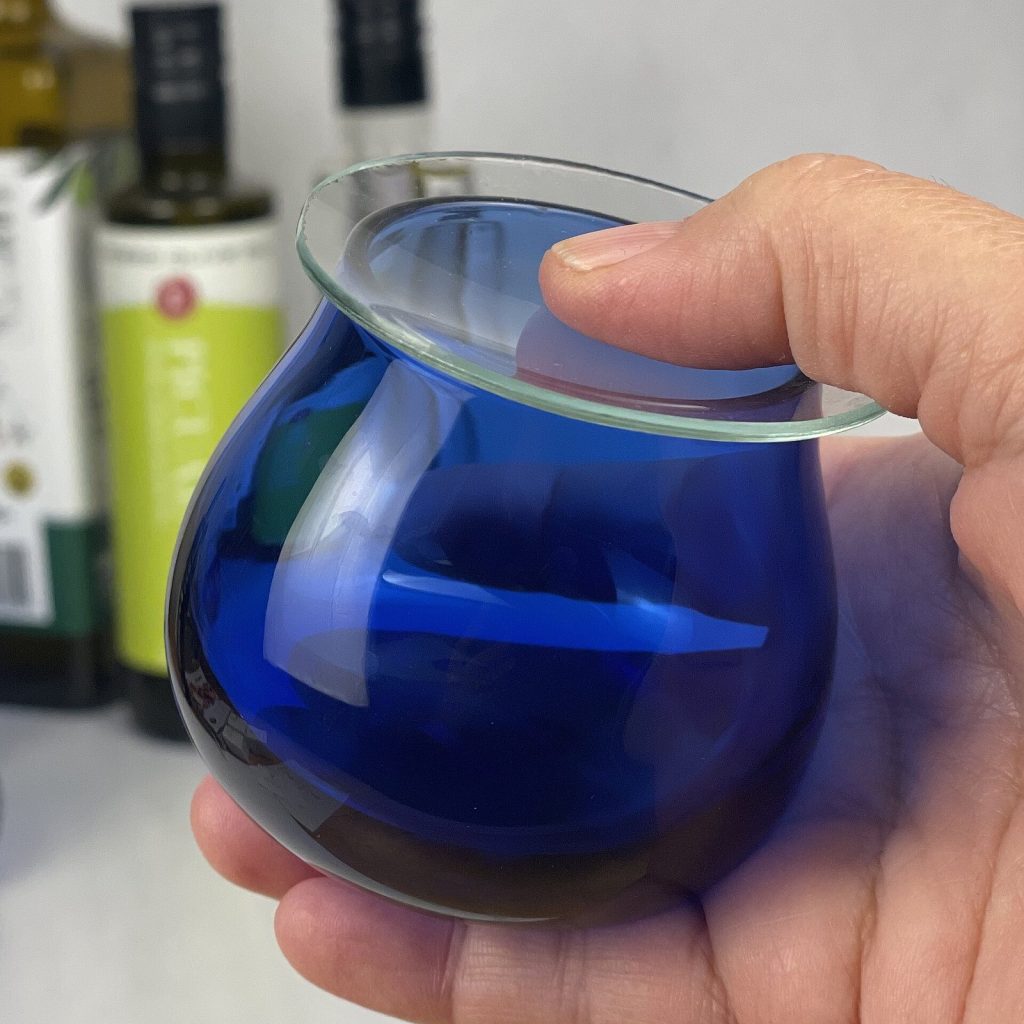
Consumer Reports taste-tested 23 extra virgin olive oils and found that only nine tasted the way extra virgin is supposed to; the two best were both from California. The results went online today, July 31, and appear in the September issue of the magazine, due on newsstands on August 7. Here is what the Consumer Reports olive oil test found, why so many famous names came up short, and what to do about it.
What happened
Consumer Reports bought 138 bottles from 23 manufacturers, with oils sourced from the United States, Argentina, Greece, Chile and Italy among others. Its sensory experts tasted them for freshness, fruit and defects. By definition, extra virgin olive oil is supposed to be free of flavor defects. Only nine of the 23 products met that bar, and more than half of the oils tested tasted fermented or stale.
The only two oils rated Excellent were McEvoy Ranch and Trader Joe’s California Estate, both from California. Several of the biggest names in the American market did not fare well. According to Consumer Reports, well-known brands including Bertolli, Crisco, Filippo Berio, Goya and Mazola came across as a little stale, with assorted other flaws. Its tasters found Botticelli and Capatriti old-tasting, with a barnyard note. Goya, a winner in earlier Consumer Reports tests, was a little pungent and bitter this time around.
| Result | Oils named by Consumer Reports |
|---|---|
| Rated Excellent | McEvoy Ranch; Trader Joe’s California Estate |
| CR Best Buys | Trader Joe’s California Estate and Kirkland Signature Select Toscano (Costco), both 35 cents an ounce; 365 Everyday Value 100% Californian Unfiltered (Whole Foods), 38 cents an ounce |
| A little stale, with other flaws | Bertolli, Crisco, Filippo Berio, Goya, Mazola |
| Old-tasting, with a barnyard note | Botticelli, Capatriti |
| Met extra virgin criteria overall | 9 of 23 |
Why it matters
This is not a niche trade magazine. Consumer Reports says it has more than 8 million subscribers across its magazine, website and other publications, and its ratings shape what Americans put in their carts. When it tells readers that famous brands taste stale, that reaches far more people than any laboratory report.
It is worth being clear about what was and was not tested. This was a sensory test, done by trained tasters, not a chemical test for adulteration. Consumer Reports did not say any of these oils was fake. It said most of them did not taste like extra virgin, which in practice means old oil, oil made from damaged or overripe fruit, or oil kept badly somewhere between the mill and the shelf. Those are exactly the defects the official extra virgin standard is meant to exclude.
The California result will not surprise anyone in the trade. A young industry selling oil close to where it is made can get it to the shelf faster and fresher than oil that has crossed an ocean in bulk, been blended, bottled and warehoused. We looked at the differences in California vs European Olive Oil: What’s the Difference?
What it means for buyers
Consumer Reports’ own advice is sensible: save the best extra virgin oils for uses where you taste them, such as drizzling over bread, and use lesser oils for cooking, where heat hides a dull flavor. I would add a few habits:
- Buy the freshest oil you can find. A harvest date beats a best-before date every time.
- Buy a size you will finish within a couple of months of opening.
- Store it cool and dark, with the cap on; How to Store Olive Oil (So It Doesn’t Go Stale) has the details.
- Taste before you trust. Fruity, a little bitter and peppery is right. Flat, musty, winey or greasy is not. Our How to Choose a Good Olive Oil: A Buyer’s Guide walks through it.
“Fermented” and “stale” are two different failures, and only one of them is the shop’s fault. A fermented or musty taste comes from olives left sitting in piles before milling; it is baked in at the mill and nothing afterward can remove it. A stale or rancid taste comes from age, heat and light, and that damage happens in warehouses, on sunny shelves and in your own kitchen. Good storage can protect a sound oil. It cannot rescue a bad one.