Olive Oil Grades Baffle Spanish Shoppers, Jaén Study Finds
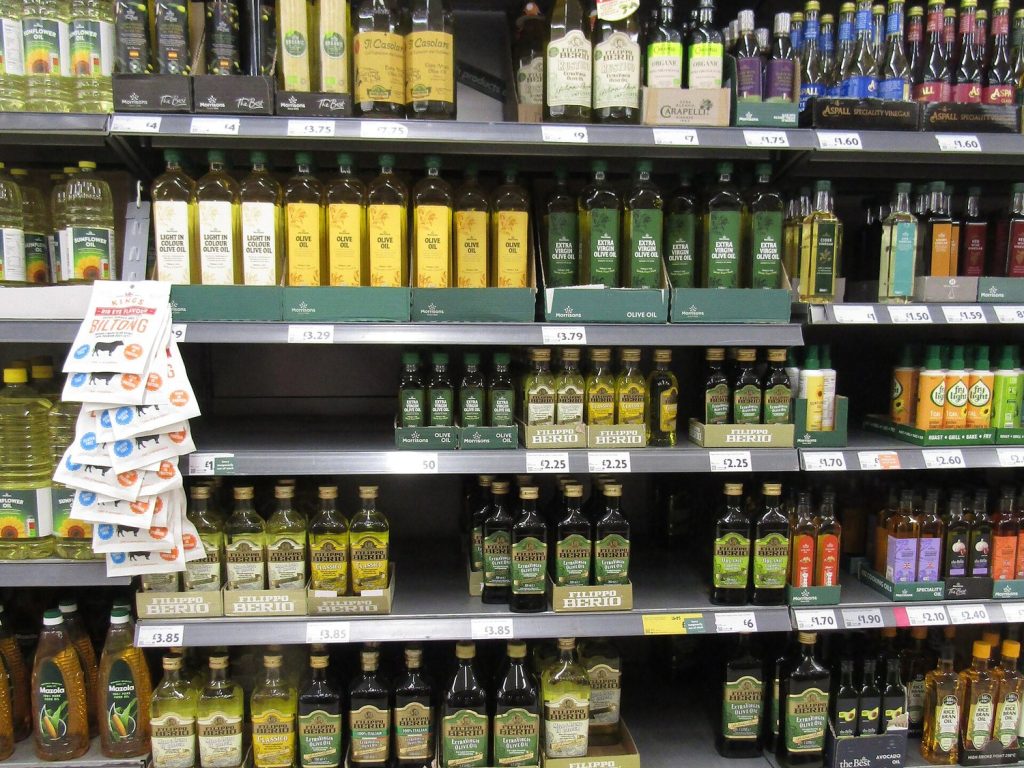
Olive oil grades confuse even the country that makes the most olive oil: a University of Jaén study reported this week finds that fewer than 30 percent of regular olive oil buyers in Spain know that the grade sold simply as “olive oil” is a blend of refined and virgin oil. The authors say the confusion pushes shoppers to choose on price and hurts the best oils most. Here is what they found, what the label actually says, and how to read it.
What the study found
The work, by Francisco José Torres-Ruiz, Manuela Vega-Zamora and María Gutiérrez-Salcedo of the University of Jaén, drew on two separate surveys of Spanish consumers, and was summarized this week by the trade magazine Mercacei and Olive Oil Times. Its headline finding is simple: most regular buyers do not know what the ordinary grade is. Fewer than 30 percent knew that “olive oil” is a mixture of virgin olive oil and refined olive oil.
The authors argue that this matters well beyond a quiz score. When shoppers cannot tell the categories apart, or do not understand what makes one better than another, they fall back on the one thing they can compare, which is price. The biggest losers are the highest-quality oils, the so-called super premium extra virgins, because the market does not understand why they cost more. The confusion also weakens olive oil against cheaper seed oils, and in the researchers’ words, failing to explain the differences ends up devaluing every olive oil to a plain cooking fat.
Their recommendation is to rethink the names, which they call confusing, and to back that with official information from governments and the industry that explains the categories simply and clearly and gives shoppers clues for choosing between them.
What the label is supposed to tell you
European rules already require an explanation on the bottle. Under the olive oil marketing regulation codified in January, each grade must carry a set description in clear and indelible lettering, though not necessarily next to the name.
| Name on the bottle | Description the EU requires | In plain words |
|---|---|---|
| Extra virgin olive oil | Superior category olive oil obtained directly from olives and solely by mechanical means | Unrefined juice of the olive, top grade |
| Virgin olive oil | Olive oil obtained directly from olives and solely by mechanical means | Unrefined, with small flaws allowed |
| Olive oil | Oil comprising exclusively olive oils that have undergone refining and oils obtained directly from olives | Refined olive oil with some virgin oil added; the share is not stated |
| Olive-pomace oil | Oil comprising exclusively oils obtained by processing olive pomace and oils obtained directly from olives | Oil extracted from the leftover paste, refined, then blended |
The trouble is that these sentences are long, legal and usually in small print on the back, while the front says “olive oil”, “classic” or “mild”. The study suggests many shoppers never make the connection.
What it means for buyers
- “Olive oil” is not a lesser extra virgin. It is usually mostly refined oil, fine for frying, with little of the flavor or the natural antioxidants of virgin oil.
- Read the back label. The required category description tells you what you are really buying, whatever the front says.
- Price is a poor guide on its own. A cheap extra virgin and an expensive plain olive oil both exist; the category is what counts.
The confusion is not an accident that the trade is desperate to fix. A plain “olive oil” sold next to extra virgin, in a similar bottle and a similar green, earns a good margin precisely because many shoppers assume it is almost the same thing. If you want the flavor and the health reputation, buy the words extra virgin, check the back, and look for a harvest date.
We covered the January rewrite of the EU rules in EU Olive Oil Labeling Rules Rewritten Into One Clean Text. For a walk through the bottle, see How to Read an Olive Oil Label, and for what the top grade actually measures, Olive Oil Acidity: What “Extra Virgin” Actually Measures.
Sources
- Olive Oil Times (Mercacei): Report, Spanish Consumers Know Very Little About Olive Oil
- EUR-Lex: Commission Implementing Regulation (EU) No 29/2012 on marketing standards for olive oil