Italy’s Olive Oil Blind Tasting Game Crowns a Sicilian Oil
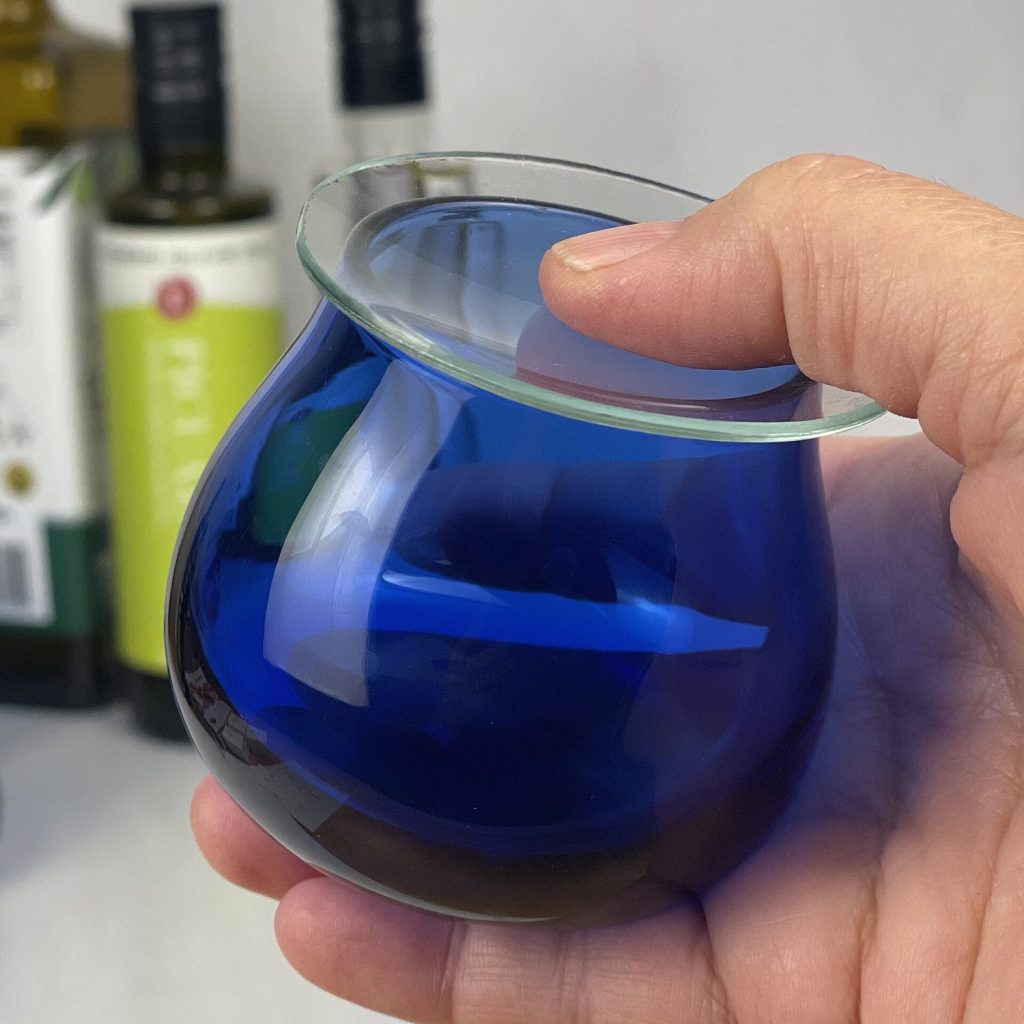
More than 2,000 diners across Italy took part in Slow Food’s olive oil blind tasting game on June 7, and their favorite was Irè, an extra virgin from Terre di Shemir near Trapani in Sicily. The Gioco del Piacere, or pleasure game, asks ordinary eaters rather than trained tasters to score four oils with the labels hidden. Here is how it works, who won, and why a people’s vote is worth paying attention to.
What happened
The seventh edition of the game took place on the evening of Thursday, June 7, organized by 45 of Slow Food’s local chapters in restaurants, taverns and trattorias around the country. Every venue poured the same four extra virgin oils, all chosen from Slow Food’s own guide, the Guida agli Extravergini 2012. The bottles were covered and marked with the same letter or number everywhere, and each diner got a card to score every oil.
At set times during the evening, each restaurant phoned its points, not its local ranking, to Slow Food’s headquarters in Bra, in Piedmont. The national ranking was announced before the end of the night.
| Place | Oil and producer | Region | Points |
|---|---|---|---|
| 1 | Irè, Terre di Shemir | Trapani, Sicily | 8,225 |
| 2 | Olivastra Seggianese, Frantoio Franci | Castel del Piano, Tuscany | 7,298 |
| 3 | Monocultivar Grignano Monte Guala, San Cassiano | Mezzane di Sotto, Veneto | 6,737 |
| 4 | Cima di Mola, Antico Frantoio Oleario Intini | Alberobello, Apulia | 5,554 |
Why a people’s vote matters
Most olive oil awards are decided by trained panels who score defects and positive attributes against a standard. That is the right way to grade oil, but it does not tell a producer what an ordinary diner enjoys at the table. The Slow Food game does. It started with wine and moved to olive oil, and its value is in the scale: thousands of people, the same four bottles, the same conditions, on the same night.
The spread of the four oils is also a small lesson in Italian diversity: a Sicilian oil, a Tuscan one from the local Olivastra Seggianese variety, a single-variety oil from the Veneto, and an Apulian oil named after the local Cima di Mola olive. None of these is a supermarket blend.
What to take from it
For shoppers, the useful part is the method rather than the winner. These are small producers, and their oils are not easy to find outside Italy or outside specialist shops. What anyone can copy is the idea of tasting side by side with the labels hidden, which is the fastest way to find out which style you actually like, whether that is green and peppery or softer and riper.
- It is a contest among good oils. All four were already in the guide, so the vote ranks preference, not quality from good to bad.
- Taste is personal. The gap between first and fourth reflects what diners liked on the night with food, which is exactly the point.
- Blind is everything. Hiding the labels removes the effect of price, packaging and reputation, which is where most shoppers’ judgments come from.
Put four oils in front of people with the labels showing and the most expensive bottle usually wins. Cover the labels and the results get much more interesting. You can run the same game at home with three or four oils, small glasses and a friend to pour, and you will learn more about your own taste in one evening than from a shelf of award stickers.
How to do it at home is in Tasting Olive Oil Blind: A Home Method and How to Taste Olive Oil Like a Pro. For the Sicilian side of the story, see Tasting Sicilian Olive Oil.