Seville Scientists Put Zinc Into Table Olives
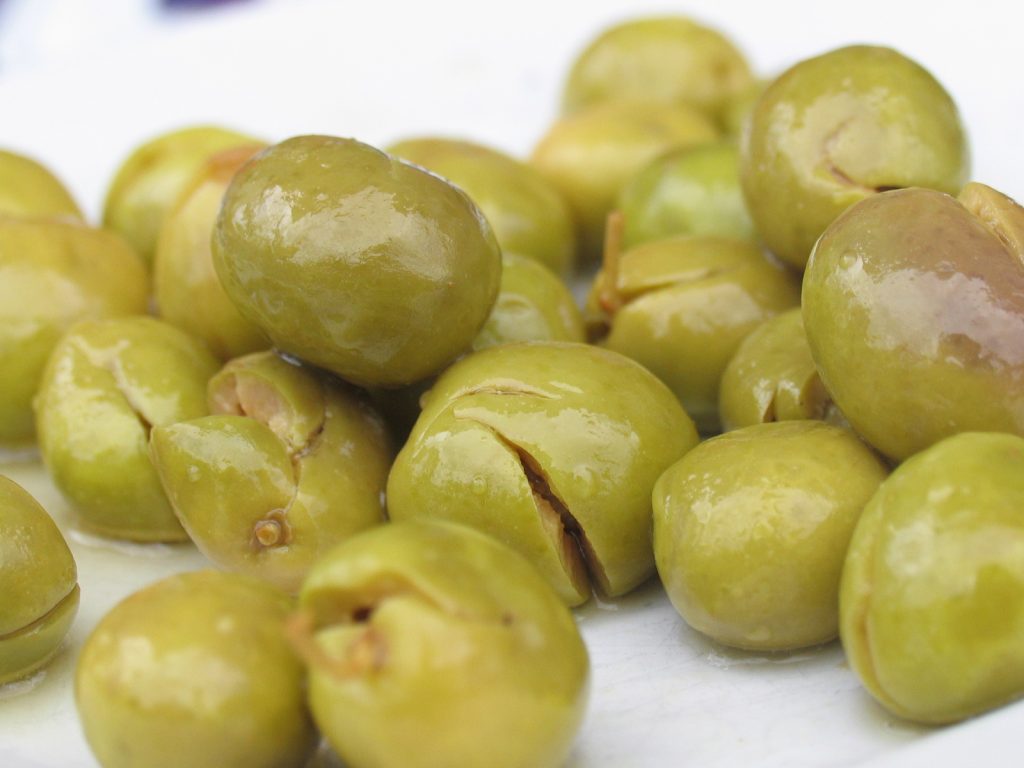
Food scientists at the Instituto de la Grasa in Seville say they can add zinc to table olives through the packing brine, and that the result is firmer, less bitter and more stable on the shelf. Here is what the Spanish team did, what it claims, and why the olive trade is more interested in the shelf life than in the nutrition.
What happened
This week the researchers behind the project, based at the Instituto de la Grasa, a research institute of Spain’s national research council (CSIC), explained their work to Olive Oil Times. Table olives are normally packed in brine made with ordinary salt, sodium chloride. The Seville team replaced part of the usual recipe with a zinc salt, zinc chloride, added to the packing brine.
Their test olive was the Aloreña de Málaga, the cracked, seasoned green olive from the Guadalhorce valley that carries a protected designation of origin. After trials at different levels, they concluded that 0.75 grams of zinc chloride per liter of brine gave the best balance of bitterness, acidity, saltiness, firmness and crunch. According to the team, ten of these olives would supply close to 80 percent of the recommended daily intake of zinc.
The work appeared in the January issue of the journal LWT Food Science and Technology, under the title “Development of a novel Zn fortified table olive product”. Research professor Antonio Garrido Fernández said it is part of a wider effort to cut the sodium in table olives while adding nutrients people actually need. He added that an informal tasting found people liked the zinc olives, largely because the natural bitterness was softer.
| The study | Detail |
|---|---|
| Where | Instituto de la Grasa (CSIC), Seville |
| Olive used | Aloreña de Málaga, cracked and seasoned |
| What was added | Zinc chloride in the packing brine |
| Preferred level | 0.75 grams per liter of brine |
| Claimed benefit | Firmer, less bitter olives; about 80 percent of daily zinc in ten olives |
| Published | LWT Food Science and Technology, January 2013 |
Why the trade cares: shelf life first
The nutrition angle makes the headlines, but the packers will read the paper for a different reason. Garrido’s group has been working on zinc for some time. Two years ago the same institute described a project to replace the preservatives packers use today, mainly sorbic and benzoic acid salts, with zinc salts. The problem with the current preservatives, the researchers said then, is that they dissolve into the oil in the pack, lose strength and shorten shelf life, and they can darken both the brine and the fruit.
Zinc salts do not build up in fat, and the team found they hold back most of the yeasts that spoil table olives. That matters a great deal for a product like the Aloreña, which is sold seasoned and lightly processed and has a short life once packed. Garrido said one company is already working with the institute on a zinc olive that is sold on better stability as much as on nutrition.
What it means for people who eat olives
- This is a research result, not a product on the shelf. Nothing will change in your jar this year.
- Zinc is already approved in Europe and the United States for enriching food, which makes the regulatory path simpler than it sounds.
- A zinc olive is still a brined olive. Salt is the real nutrition issue with table olives, and less sodium is the part of this research worth watching.
- Zinc is an essential mineral, but more is not automatically better. Treat any “fortified” olive as a food, not a supplement, and ask a doctor before relying on food or pills for a mineral you think you lack.
Soft, fizzy or cloudy jars are what packers dread, far more than any nutrition debate. Every batch that spoils on a shop shelf comes back as a claim against the packer, which is why the preservative line on the label is there. If zinc can keep a fresh-style olive firm without the usual preservatives, that is a real commercial gain, and the “healthier olive” message is the bonus that helps sell it.
Sources
- Olive Oil Times: Scientists Say Zinc-Enriched Table Olives Offer Health Benefits (February 18, 2013)
- Bautista-Gallego and others: Development of a novel Zn fortified table olive product, LWT Food Science and Technology, vol. 50 (January 2013)
- Interempresas: Podrán utilizarse las sales de zinc como conservante en aceitunas de mesa (February 2011)