FDA Holds Italian Olive Oil Over Chlorpyrifos Traces
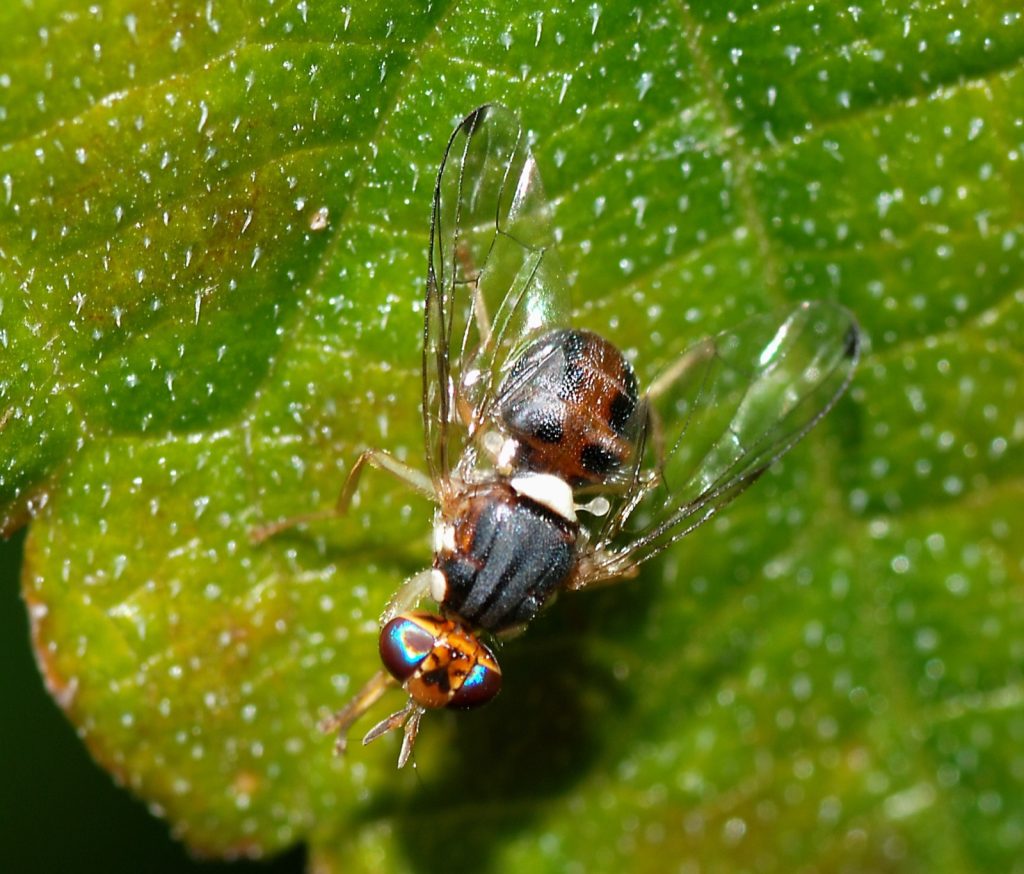
United States authorities are holding Italian extra virgin olive oil at the ports of New York and Seattle after testing found traces of chlorpyrifos, an insecticide European growers may legally use against the olive fly but which has no permitted residue level for olive oil in the U.S. The FDA has confirmed it detained and refused shipments from Certified Origins Italia, a major Italian supplier. Here is what happened and why a legal spray in Italy becomes an “adulterated” oil in America.
What happened
The alarm was raised in Brussels. In a written question to the European Commission dated March 8, Italian member of the European Parliament Sergio Silvestris said 98 containers of Italian extra virgin olive oil were stuck in New York and Seattle, holding more than 80 percent of the Italian extra virgin sold in the United States. U.S. checks on samples had found chlorpyrifos-ethyl at 0.015 to 0.020 parts per million.
This week the Food and Drug Administration confirmed that it had detained, and then refused, a number of shipments from Certified Origins Italia. The company had been placed on an FDA import alert in January, the so-called red list, which lets the agency detain shipments without examining them unless the shipper provides a certificate of analysis showing no illegal pesticide residues. Certified Origins describes itself as a group of about 30,000 Italian growers, and, according to Costco’s website, produces olive oil for Costco’s store brand as well as for Bellucci Premium. An American importer also told Olive Oil Times that some Spanish extra virgin containers had been held.
| The figures | Detail |
|---|---|
| Containers held | 98, in New York and Seattle (according to Silvestris) |
| Residue found | 0.015 to 0.020 ppm chlorpyrifos-ethyl |
| Status in the EU | Authorized for olive growing; residue cited as far below the EU limit |
| Status in the U.S. | No EPA tolerance for olives or olive oil, so any residue makes the oil “adulterated” |
| U.S. imports 2011/12 | Just over 317,000 tons, Italy the top supplier |
Why a tiny trace is enough
The two sides are not arguing about toxicology so much as about paperwork. In the U.S., the Environmental Protection Agency sets residue tolerances crop by crop and the FDA enforces them. Chlorpyrifos is allowed on various American crops, but no tolerance has been set for olives or olive oil. Without a tolerance, the legal threshold is effectively zero, and oil containing the substance counts as adulterated under the Federal Food, Drug and Cosmetic Act.
In Europe, the same insecticide is authorized in olive groves to fight the olive fly, and Silvestris says the levels found were well below the European limit. He wants the Commission to negotiate with the FDA, and he tied the issue to the transatlantic trade talks planned for this summer.
A detained shipment is not automatically lost. The importer can submit an independent laboratory analysis showing the oil is clean, and if the FDA accepts it the oil is released. If not, it is refused entry.
How the trade reads it
European exporters see a pattern. Juan Corbalán, Brussels delegate of Spain’s agri-food cooperatives, whose federation chairs the olive oil section of the EU farm lobby Copa-Cogeca, told Olive Oil Times that European standards are not recognized in the U.S. and that “they are not very comfortable with olive oil from Europe because it’s more competitive than theirs”. Talk of a U.S. marketing order for olive oil, he said, is already making some exporters hesitate.
Many insecticides dissolve in fat, so what goes on the fruit tends to follow it into the oil. Big bottlers blend oil from thousands of growers, and one heavy sprayer can put a trace into a whole tank. Serious export buyers therefore ask for a residue analysis against the rules of the country the oil is going to, not the country it came from. A supplier that cannot produce one quickly is telling you something.
Sources
- European Parliament: Question E-002751/2013, Presence of pesticide residues in olive oil exported to the USA (March 8, 2013, archived)
- Olive Oil Times: Olive Oil Detained Due to Pesticide Traces (March 19, 2013)
- Olive Oil Times: Italian Olive Oil Producer on FDA ‘Red List’ is Costco Supplier (March 21, 2013)