Greece’s Olive Harvest Halves After a Scorching Summer
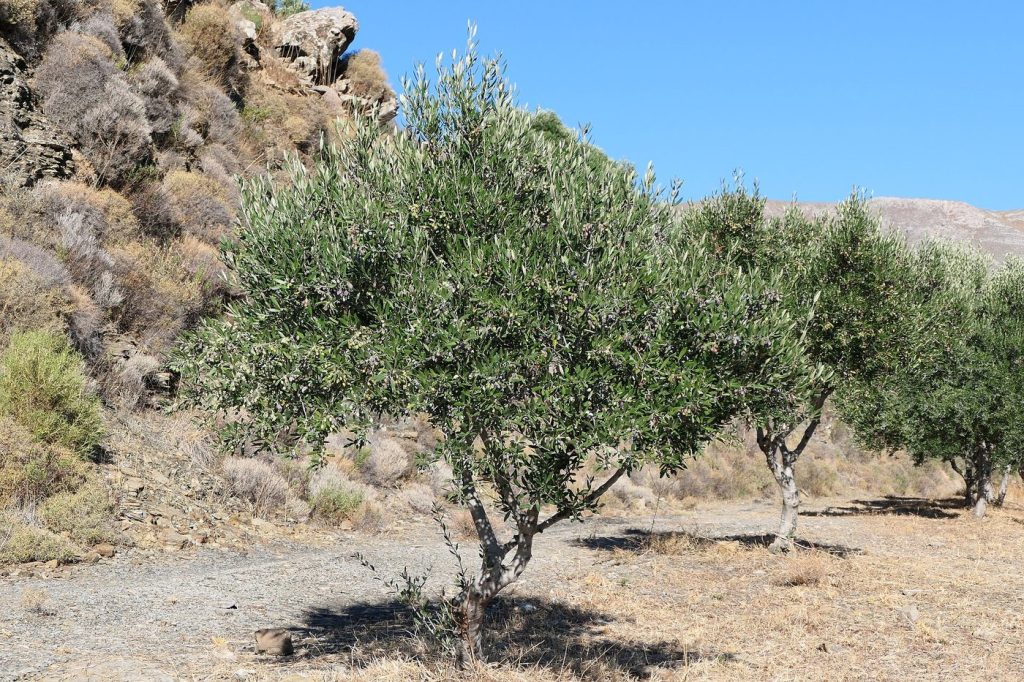
Greece’s 2013/14 olive oil harvest is shaping up as one of its worst in years, with output in some of the biggest producing areas down by half after a summer of heat and hot African winds. The International Olive Council now expects Greece to produce about 230,000 tons, while Spain heads for a big recovery. Here is what happened in the groves, what it means for Greek growers already squeezed by the crisis, and what it means for the oil you buy.
What happened
The damage was done in summer. Hot winds blew in from Africa more often than usual, and temperatures stayed above 40°C (104°F) for long stretches, at a critical point in the olive season. The International Olive Council (IOC) flagged in its September newsletter that Greek production would be lower because of the high temperatures and hot winds. In its October newsletter, published last week, it put a number on it: about 230,000 tons of oil, which it called a sharp decline caused by this summer’s severe drought. Greek table olive output is forecast down 41 percent, to 94,000 tons.
On the ground, the numbers look worse in the islands. Olive Oil Times, citing the Athens daily Ethnos, reports that production on Lesvos is expected to fall to 8,000 tons from 17,000 last year, with the olive fly adding to the weather damage. On Crete, cooperatives expect about 20,000 tons against roughly 45,000 in an average year. Nikos Michelakis, scientific adviser to the association of Cretan olive municipalities (SEDIK), estimates production losses of up to 70 percent in places and up to €200 million in lost income.
| IOC forecast for 2013/14 (October 2013) | Olive oil, tons |
|---|---|
| World | More than 3,200,000 |
| Spain | More than 1,500,000 |
| Italy | 500,000 |
| Greece | 230,000, a sharp decline |
| Turkey | 180,000 |
| Tunisia | 80,000, down almost 64 percent |
Why it hurts so much this year
Last season was a good one for Greece: the IOC’s provisional figures show Greek output up about 22 percent in 2012/13, while Spain’s crop collapsed. Greek producers, especially the ones who had started bottling and branding their own oil for export, had momentum. Now the positions are reversed. Spain is heading for a very large crop, and Greek exporters may struggle to fill the orders they won. As one Lesvos producer told Olive Oil Times, a gap in supply means buyers may lose trust, and the advantage goes to Spain and Italy.
It also comes at the worst possible moment for rural Greece. Olive oil is one of the country’s most important agricultural exports, and the olive groves carry a lot of family incomes through the economic crisis. According to Olive Oil Times, the Greek Agricultural Insurance Organization (ELGA) has found that it cannot pay compensation for this kind of weather damage. Some growers are waiting on a possible European Commission program, but Michelakis estimated that such payments could take up to three years to arrive.
What it means for buyers
Most Greek olive oil does not leave the country in a Greek bottle. The IOC’s figures for 2011/12 show Greece exporting and delivering about 104,000 tons, 83 percent of it to other EU countries, and Italy alone buying nearly 70,000 tons of Greek oil. Much of that goes into blends. In a short Greek year, that bulk stream is the first thing to dry up.
- Bottled Greek estate oils from Crete, Lesvos and the Peloponnese are likely to be scarcer and dearer this winter.
- Blends that used Greek Koroneiki oil may quietly shift toward Spanish oil, which will be plentiful.
- Overall world supply looks comfortable, so do not expect a general price spike because of Greece.
When a producing country has a short year, its best oil does not vanish, it just gets allocated. Long-standing customers get their usual lots and new buyers get told the harvest was small. If there is a Greek oil you like, buy it early in the season and ask the importer whether this year’s lot comes from the same grove. A different lot under the same label is common in a year like this.