A Court Pauses the Xylella Cull
In October 2015 an Italian court suspended the forced felling of Xylella-infected Puglia olives after growers demanded proof their trees were truly sick. It was one round in a long, agonising fight between the science that demanded speed and the growers who demanded certainty before a chainsaw touched a centuries-old tree.
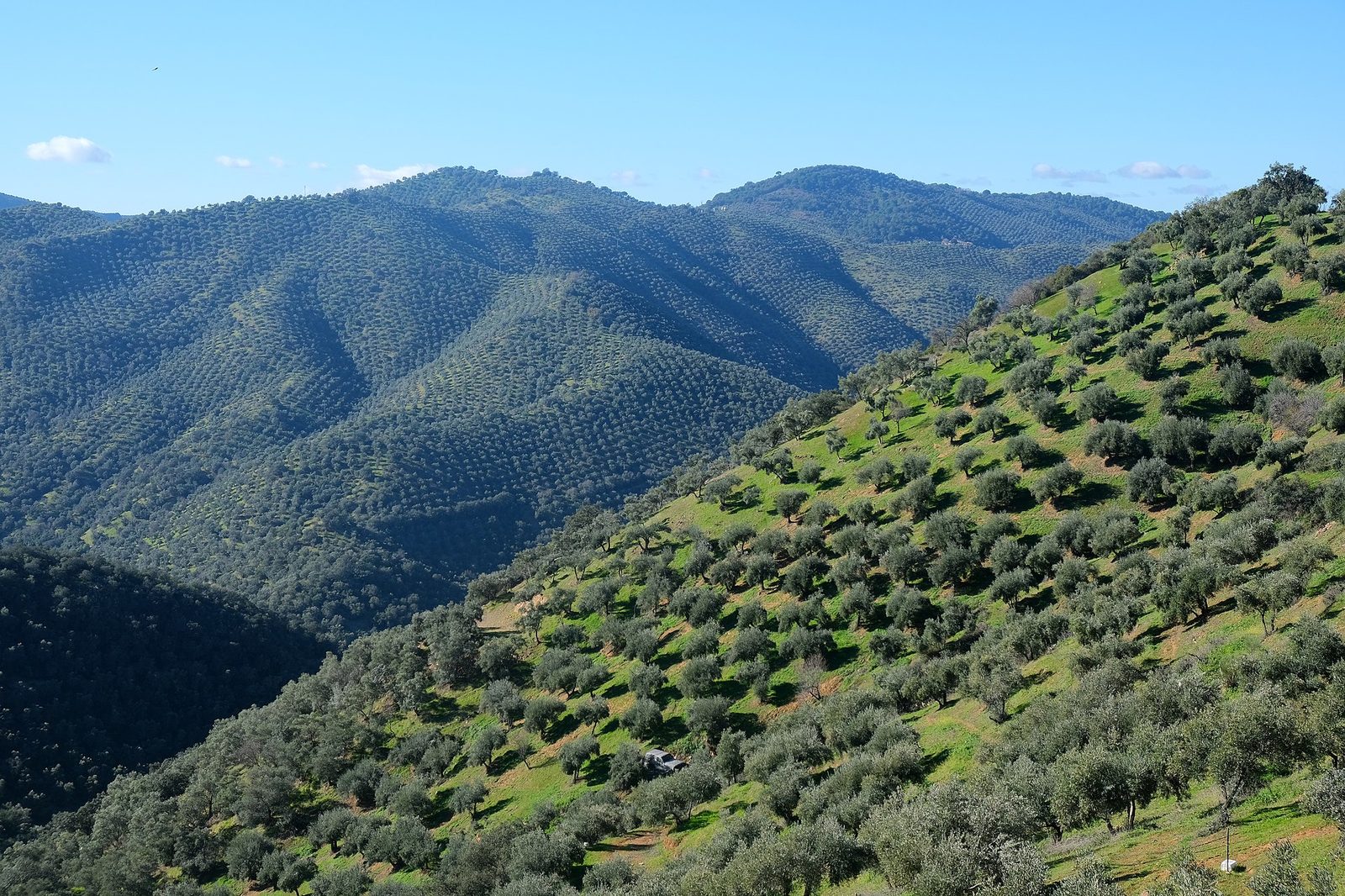
In mid-October 2015 a regional administrative court ordered the mandatory felling of Xylella-infected Puglia olive trees suspended for several weeks, after a complaint by a group of growers demanding proof of infection. The pause halted the EU-mandated eradication to allow more testing. It sounds like a technicality. It was, in fact, the whole tragedy of Xylella in one courtroom.
What Xylella is, and why it terrifies growers
Xylella fastidiosa is a bacterium that clogs the water-carrying vessels of a tree, effectively causing it to die of thirst from the inside — the syndrome is aptly named olive quick decline. It is spread by sap-sucking insects like the meadow spittlebug, and, crucially, there is no cure. Once a tree is infected, it cannot be saved. The only tools are containment: removing infected and nearby trees to slow the spread, plus insect control. In the ancient monumental groves of Salento, that meant sentencing trees that had stood for centuries.
The impossible knot
Here is why every stage of the Xylella response ended in court. The science was clear that speed saves the wider region: cut fast, cut wide, and you slow a pathogen that otherwise marches on. But the growers were being asked to fell healthy-looking, centuries-old trees — their livelihood and heritage — on the strength of a disease map they did not trust. Both sides had a point. A legal pause bought individual trees time; it also, arguably, let the disease spread further while the testing ground on. There were never any good options, only bad ones ranked by how much they hurt.
What the standoff really teaches
The lasting lesson is brutal and simple: against a plant disease with no cure, hesitation has a cost measured in trees. Every pause was humane and understandable, and every pause arguably widened the kill zone. The same knot tightened again in later court fights. It is a hard reminder that containment of an incurable pathogen is a race, and that the instinct to wait for certainty — so reasonable, so human — is exactly what an unstoppable disease exploits.
| Event | Court suspends mandatory felling of infected trees |
|---|---|
| When | October 2015 |
| Where | Puglia (Salento), southern Italy |
| Pathogen | Xylella fastidiosa (olive quick decline) |
| Spread by | Sap-sucking insects (e.g. spittlebug) |
| Cure | None — containment only |
| The dilemma | Speed of eradication vs. proof before felling |
The takeaways
- Xylella clogs a tree’s water vessels — effectively death by thirst, with no cure.
- The only defence is containment: removing infected and nearby trees, plus insect control.
- Court pauses bought individual trees time but arguably let the disease spread.
- Against an incurable disease, hesitation has a cost measured in lost trees.
The Xylella cull: common questions
What did the 2015 court order do?
It suspended the EU-mandated felling of Xylella-infected Puglia olive trees for several weeks, after growers demanded proof of infection and more testing.
What is Xylella fastidiosa?
A bacterium that blocks a tree’s water-carrying vessels, causing olive quick decline. It is spread by sap-sucking insects and has no cure.
Why fell healthy-looking trees?
Because there is no cure, containment relies on removing infected and nearby trees to slow the spread — even ones that still look well.
Why did growers go to court?
They were being asked to fell centuries-old trees, their livelihood and heritage, on a disease map they distrusted, and demanded proof first.
Did the pause help or hurt?
Both — it gave individual trees time, but arguably let the incurable disease spread further while testing continued.
There was no clean answer here, and anyone who tells you otherwise was not standing in a Salento grove in 2015. The science was right that you must cut fast and wide to slow an incurable disease. The growers were right that no one should take a chainsaw to a thousand-year-old tree on a map they distrust. Both were right, and the trees died anyway. If Xylella taught the trade one thing, it is that waiting for certainty is a luxury an unstoppable pathogen never grants.
Drawn from October 2015 reporting on the Italian court order suspending Xylella eradication in Puglia.