A Grower’s Map of Greece
Greece is the quiet giant of olive oil — third in volume but first in devotion, with the world’s highest consumption per head and an unusually high share of its crop reaching extra-virgin grade. To read a Greek oil you first need a rough map.
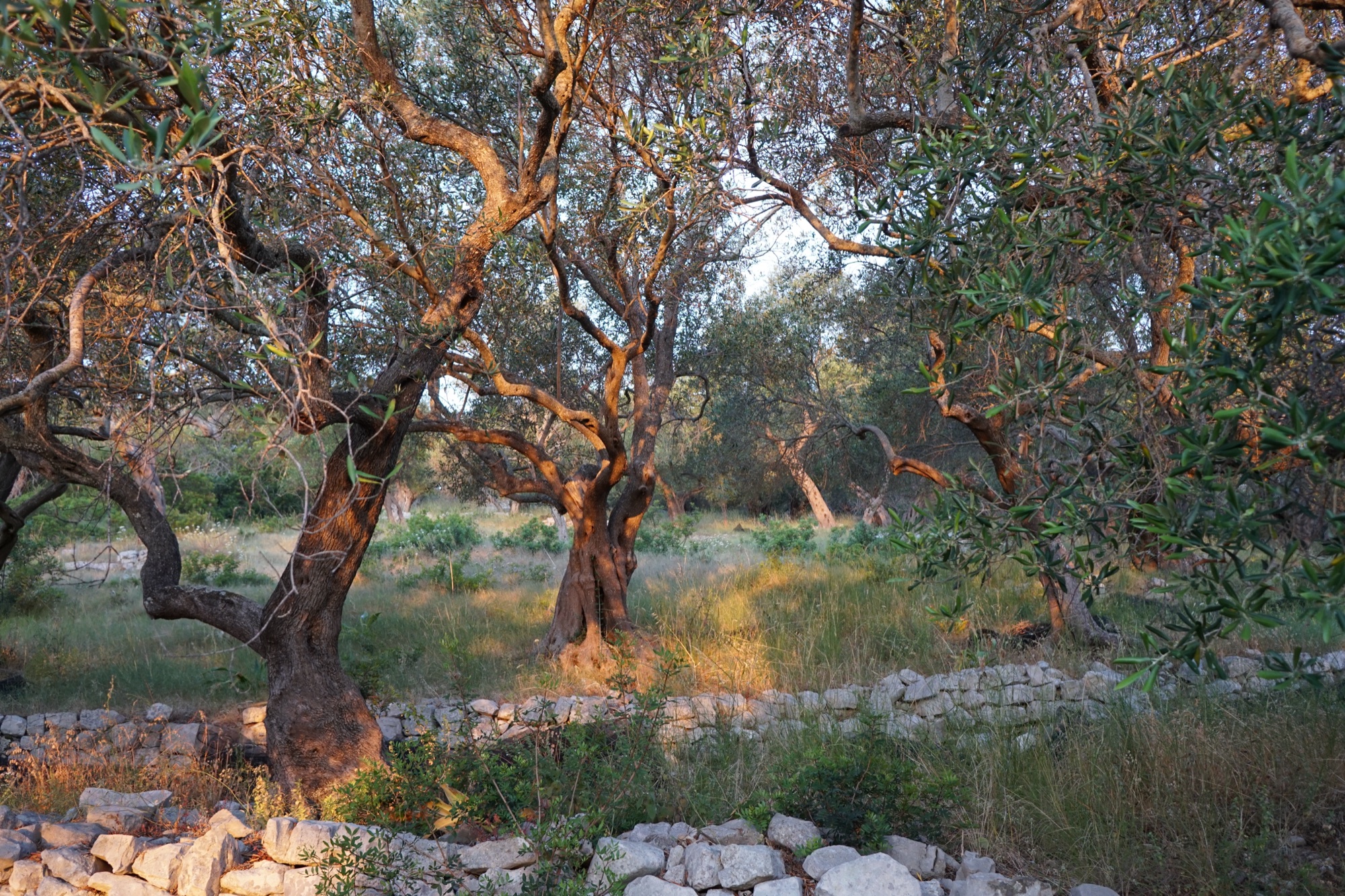
Greece is the quiet giant of olive oil — third in the world by volume, but arguably first in devotion, with the highest consumption per person anywhere and an unusually high share of its crop reaching extra-virgin grade. To read a Greek oil, or a jar of Greek table olives, you first need a rough map of the country’s growing regions, because in Greece the region on the label does most of the honest work.
The big oil regions
The Peloponnese in the south is the heartland, pressing roughly two-thirds of all Greek oil, and Kalamata — better known abroad for its table olive — lends its name to a whole region of fine oil. The Koroneiki variety dominates production across the mainland south and the islands, a small, hardy tree prized for high yields of stable, aromatic oil; in the rocky heat of the Mani it turns notably peppery. Crete, the large southern island, is the other powerhouse, with old groves, a deeply oil-centred cuisine and a string of protected regions of its own. Between them, the Peloponnese and Crete account for most of the country’s output, and much of its best.
Tables, not just oil
Greece is equally a land of table olives, and here the geography splits. The Kalamata olive — the slim, dark, almond-shaped fruit — comes from the Messenia area of the Peloponnese. Halkidiki, the three-fingered peninsula in the north near Thessaloniki, gives the big pale-green olives so often pitted and stuffed and sold as snacks. Other regions and islands, from Lesbos to Amfissa, add their own. So a Greek olive label rewards a glance at the region: it tells you whether you are looking at an oil heartland or a famous table-olive zone, and the two rarely overlap.
The Kalamata honesty test
Here is the buyer’s trap worth knowing. “Kalamata” on a jar should mean the genuine slim, dark Peloponnesian fruit — but for years the word drifted into a generic style, so any dark olive dyed and shaped to look the part could borrow the name. Europe eventually moved to protect it, yet the market is still full of “Kalamata-style” olives that are nothing of the sort, often ordinary black olives coloured with iron gluconate. The fix is the same one the whole Greek shelf rewards: read the region. A true Kalamata names Messenia or the Peloponnese; a real oil names its region and its Koroneiki. Region on the label is your quickest honesty check.
| Oil heartland | Peloponnese (~65% of output) and Crete |
|---|---|
| Oil variety | Koroneiki (small, high-yield, aromatic; peppery in the Mani) |
| Table olive — dark | Kalamata, from Messenia (Peloponnese) |
| Table olive — green | Halkidiki, the large stuffing olive of the north |
| Extra-virgin share | Unusually high by world standards |
| Harvest | October–December |
| Buying tip | For oil: Koroneiki + a named southern region, ideally PDO. For table: real Messenian Kalamata |
Reading a Greek olive
- For oil, look for Koroneiki and a named southern region — the Peloponnese or Crete — ideally with a PDO.
- For table olives, “Kalamata” should mean the genuine Peloponnesian fruit, not a dyed impostor.
- The big green Halkidiki is the one to expect stuffed.
- Treat the region on the label as your quickest honesty check.
- Greek oil’s high extra-virgin share means the baseline quality is genuinely good.
Greek olives: common questions
Where is most Greek olive oil produced?
In the Peloponnese, which presses roughly two-thirds of the crop, and on Crete. Together they account for most of Greece’s output and much of its best oil.
What is the main Greek oil variety?
Koroneiki — a small, hardy, high-yielding tree grown across the mainland south and the islands, prized for stable, aromatic oil that turns peppery in the Mani.
Where do Kalamata olives come from?
The genuine Kalamata — a slim, dark, almond-shaped table olive — comes from the Messenia area of the Peloponnese, not from just any dark olive.
What are Halkidiki olives?
Large pale-green table olives from the Halkidiki peninsula in northern Greece, usually pitted and stuffed and sold as snacks.
How do I judge a Greek oil or olive?
Read the region. A true oil names Koroneiki and a southern region, ideally with a PDO; a genuine Kalamata names Messenia or the Peloponnese. Region is the quickest honesty check.
For Greek oil, look for Koroneiki and a named southern region — the Peloponnese or Crete — ideally with a PDO. For table olives, “Kalamata” should mean the genuine Peloponnesian fruit, not just a dark olive dyed to look the part. The market is full of “Kalamata-style” impostors, so the region on the label is your quickest honesty check — and because Greece sends an unusually high share of its crop to extra-virgin grade, the honest ones are very good indeed.
An olives101 regional guide, cross-checked against Greek PDO/PGI records and production data for the Peloponnese and Crete.