Greek vs Italian Olives
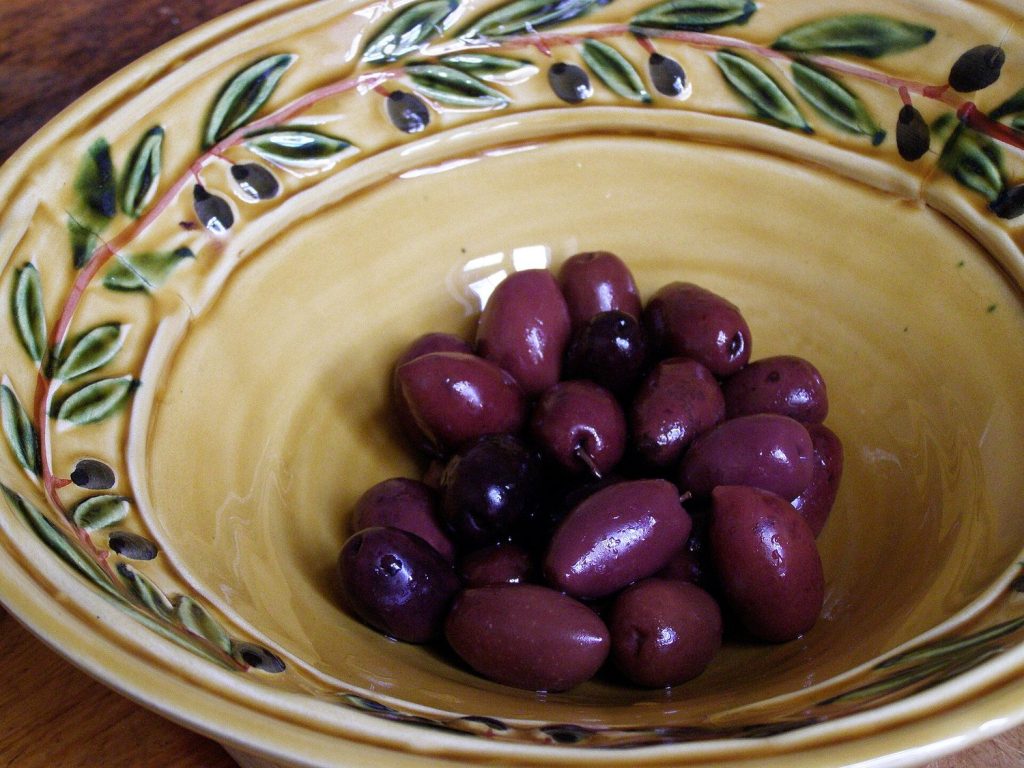
The short answer: Greek olives tend to be bolder, brinier and more rustic, while Italian olives lean milder, sweeter and often smaller. Greece leans heavily on a handful of famous table olives cured whole and served with real bite, whereas Italy spreads its love across dozens of regional varieties, many grown as much for oil as for the table. Neither tradition is “better” — they simply answer different cravings. If you want a punchy olive to stand up to feta and oregano, look Greek. If you want something gentle to nibble with wine or scatter over a pizza, Italy has your back.
Why the two traditions taste so different
Most of the difference comes down to what is grown and how it is cured. Greece has built its reputation on a small cast of star table olives — above all the Kalamata — that are picked ripe, cured slowly and sold whole with the stone in. The flavour is direct: salty, winey, sometimes almost meaty. Curing is often the traditional brine or the old-fashioned salt and time approach, which keeps that assertive character intact.
Italy takes a broader, more patchwork approach. Because so much of the Italian crop historically went to oil, the table-olive scene is a scattering of regional specialities rather than one dominant name. Many Italian table olives are picked while still green and cured to be milder and buttery, so they read as sweeter and more delicate. That said, Italy is a big place: a Cerignola from Puglia eats very differently from a wrinkled, oil-cured Gaeta. It is worth remembering that a variety’s name is not the same as a single country of origin — olive varieties have travelled and been replanted for millennia, and what we call “Greek” or “Italian” is really about tradition and terroir as much as botany.
If you want to go deeper on any single variety, our olive varieties encyclopedia breaks them down one by one.
Typical varieties and styles at a glance
Here is a rough map of the best-known table olives from each tradition. Treat the descriptors as general tendencies, not iron rules — ripeness, region and curing all shift the final flavour.
| Variety | Tradition | Colour / size | Typical style & flavour |
|---|---|---|---|
| Kalamata | Greek | Dark purple, medium, almond-shaped | Brine-cured; rich, winey, fruity, bold |
| Halkidiki | Greek | Green, large, often stuffed | Firm, crisp, mild-to-grassy, buttery |
| Throumba (Thassos) | Greek | Black, wrinkled, small | Dry salt-cured; intense, chewy, olive-forward |
| Cerignola | Italian (Puglia) | Green or red, very large | Mild, sweet, meaty, fleshy |
| Castelvetrano | Italian (Sicily) | Bright green, medium | Buttery, sweet, low bitterness, crisp |
| Gaeta | Italian (Lazio) | Dark, small | Brine- or oil-cured; tender, tangy, savoury |
A few patterns jump out. Greece’s headline olives — Kalamata and Throumba — are dark, ripe and full-flavoured, the sort you reach for in a Greek salad or alongside grilled lamb. Its big green Halkidiki is the classic stuffing olive. Italy’s most exported names, Castelvetrano and Cerignola, are both prized precisely for being gentle: sweet, mellow and easy to eat by the handful. Gaeta sits in between, a small dark olive with a savoury tang that suits pasta, focaccia and slow-cooked dishes.
Which should you choose?
Match the olive to the job. For a robust Mediterranean plate — feta, tomatoes, oregano, good bread — Greek Kalamata or Throumba give you the salty depth the dish is built around. For an aperitivo board, a martini garnish, or anything where you want the olive to whisper rather than shout, reach for Italian Castelvetrano or Cerignola. Cooking into a puttanesca or a braise? Small, savoury olives like Gaeta melt into the sauce beautifully.
On oil, both countries are giants. Italy and Greece are among the world’s largest olive-oil producers, and Greek oil in particular tends to come from a high share of extra-virgin grade. If you’re weighing up a bottle, our olive oil guide covers grades, harvest and how to read a label without falling for marketing gloss.
The honest bottom line: buy a small tub of each, taste them side by side, and trust your own palate. Regional pride is lovely, but your tongue is the only judge that matters.
Greek vs Italian olives: common questions
Are Greek olives saltier than Italian olives?
Often, yes — roughly speaking. Popular Greek table olives like Kalamata and dry-cured Throumba are known for a bold, briny punch, while Italian favourites such as Castelvetrano and Cerignola are usually milder and sweeter. But saltiness depends far more on the curing method and brine strength than on the country, so there are plenty of exceptions.
Is Kalamata a Greek olive?
Yes. The Kalamata is strongly associated with the Kalamata region of the Peloponnese in Greece and carries protected status there. As always, the variety is grown elsewhere too, so “Kalamata-style” olives on a supermarket shelf may not come from Greece — check the label if origin matters to you.
What is the most famous Italian olive?
It’s a close call, but Castelvetrano from Sicily and the giant Cerignola from Puglia are probably the best-known Italian table olives internationally, both loved for their sweet, buttery, low-bitterness character. Gaeta is the classic small dark olive for cooking.
Which is better for a Greek salad?
Greek Kalamata olives are the traditional choice — their winey, savoury depth is part of what defines the dish. A milder Italian olive works if that’s what you have, but it will read as gentler and less characterful.