Olive Harvest as a Community Gathering
In the Mediterranean, the olive harvest is not only labour; it is a season and a gathering. For a few weeks each autumn, families return, neighbours help neighbours, and whole villages organise themselves around getting the fruit in. The work is hard, but the harvest has always doubled as one of the year’s great social events.
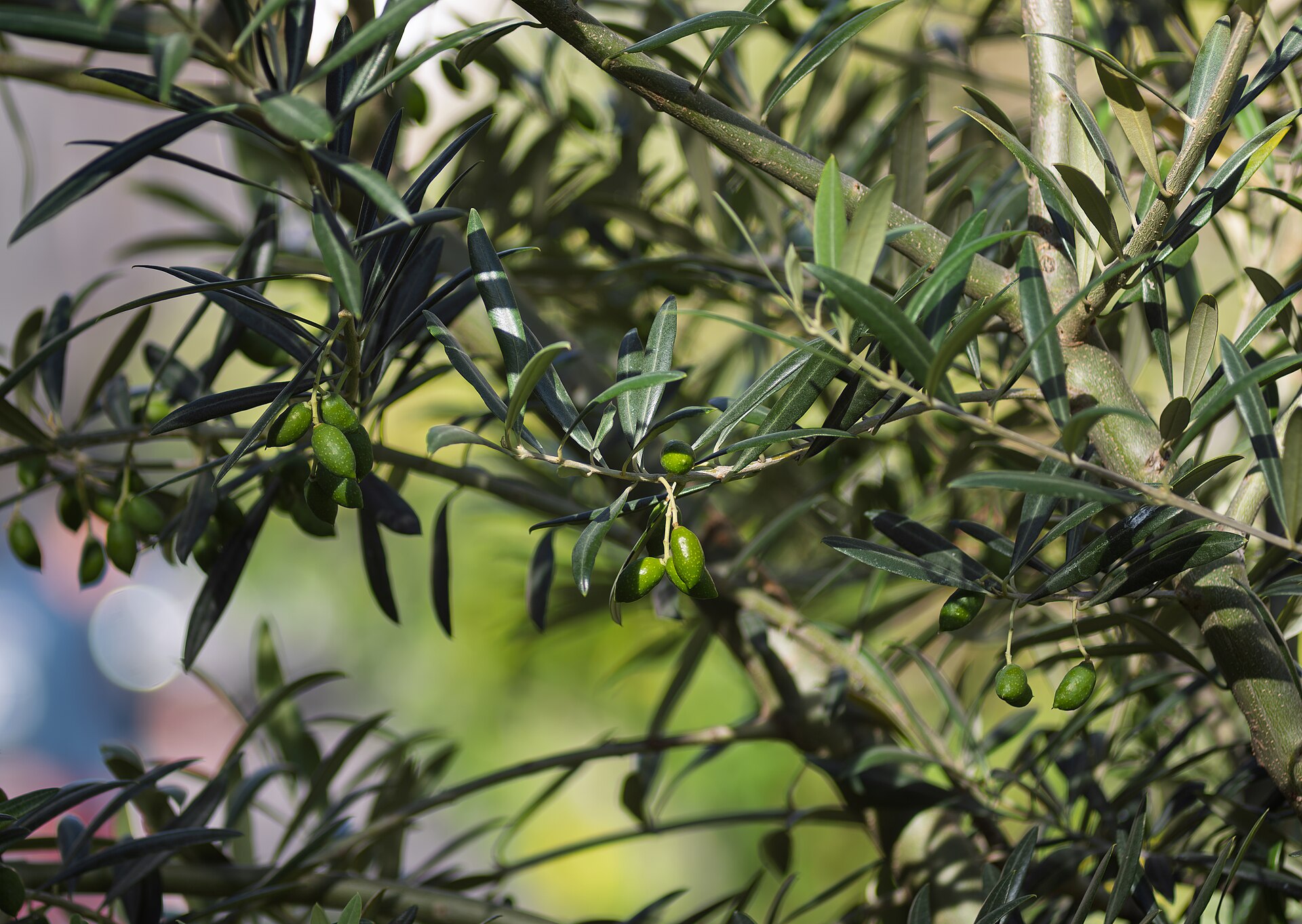
The olive harvest is one of the few farm tasks that is still, in many places, a genuinely communal event rather than a machine’s afternoon. For a few weeks each autumn the work pulls a scattered family and village back together around the trees. Understanding that social side is not sentimental trivia — it is the reason a real artisan oil costs what it does, and the clearest lesson in why fresh, hand-harvested oil is worth seeking out.
How the harvest works
The rhythm is old and shared. Nets are spread beneath the trees, and the fruit is brought down by hand, by comb or by gentle mechanical shakers, then gathered, sorted and rushed to the mill while it is fresh. In many regions it falls between October and December and pulls people home: relatives who have moved away come back, children are roped in, and the day runs on shared meals taken in the grove. The labour is genuinely demanding — cold mornings, long hours, aching arms — but the company and the shared purpose are exactly what make it bearable and, for many, beloved. Speed to the mill matters: fruit left in sacks overnight begins to ferment and drags the oil’s quality down.
The first oil and its rituals
The reward is the new oil. In Tuscany the tradition is the fettunta — grilled bread rubbed with garlic and drenched in the first pressing, still cloudy and fiercely green and peppery; Spain and Greece have their own versions of the same celebration. Tasting that first oil straight from the mill, sharp enough to catch your throat, is the emotional heart of the whole season, the moment a year’s work becomes something you can taste. The harvest binds a community to its trees and to each other, and the new oil is the toast that seals it.
Why this explains the price
Here is the insider point most shoppers never connect. A bottle of real, hand-harvested, early-pressed extra virgin seems expensive next to a supermarket blend — until you have spent one cold morning on the nets. Hand-harvesting is slow, human and costly; the fruit has to be rushed to the mill the same day; the yield from an early, quality-focused pick is lower than from waiting for over-ripe fruit. The cheap bottle skips every one of those steps. The price of the good oil is not a markup — it is a cold morning, a full crew and a race to the press, made visible. Our note on the true cost of an olive follows the same thread.
| When | Roughly October to December |
|---|---|
| Method | Nets below; fruit brought down by hand, comb or shaker |
| The social side | Family returns, neighbours help, meals in the grove |
| Speed | Rushed to the mill same day to protect quality |
| The reward | New oil — cloudy, green, peppery |
| The ritual | Fettunta and its Spanish and Greek cousins |
If you ever join one
- Take the chance — a day on the nets teaches more about oil than any tasting course.
- Expect cold mornings and aching arms; the company is what makes it beloved.
- Taste the new oil on bread — fierce, green and peppery is exactly right.
- You will finally understand the price of a real artisan bottle.
The olive harvest: common questions
When is the olive harvest?
Broadly October to December around the Mediterranean, timed to when the fruit reaches the right ripeness — earlier picks give greener, more peppery oil.
How are olives harvested traditionally?
Nets are spread under the trees and the fruit is brought down by hand, by comb, or with gentle mechanical shakers, then rushed fresh to the mill.
Why is the harvest a community event?
Because it is labour-intensive and time-critical, so families return, neighbours help each other, and the days run on shared meals taken in the grove.
What is fettunta?
A Tuscan ritual of grilled bread rubbed with garlic and drenched in the first, cloudy, peppery pressing — Spain and Greece have their own versions.
Why does hand-harvested oil cost more?
Because hand-picking is slow and human, the fruit must reach the mill the same day, and a quality-focused early pick yields less — all real costs a cheap blend skips.
If you ever get the chance to join a harvest, take it — a day on the nets and a plate of fettunta with the new oil teaches more about olive oil than any tasting course. And it explains the price of a real artisan oil better than any spreadsheet: once you have spent a cold morning bringing fruit down by hand and racing it to the mill before it ferments, the cost of the good bottle suddenly makes sense. The cheap blend simply skipped every one of those steps.
Based on Mediterranean harvest tradition and the effect of hand-harvest and speed to the mill on oil quality and cost.