Portugal’s Quiet Olive Boom
In an off-year dip in 2018, Portugal still made some 115,000 tonnes of oil — a sign of how fast the world’s seventh-biggest producer has been growing. In a generation it turned from net importer to net exporter. One of the great untold growth stories in oil.
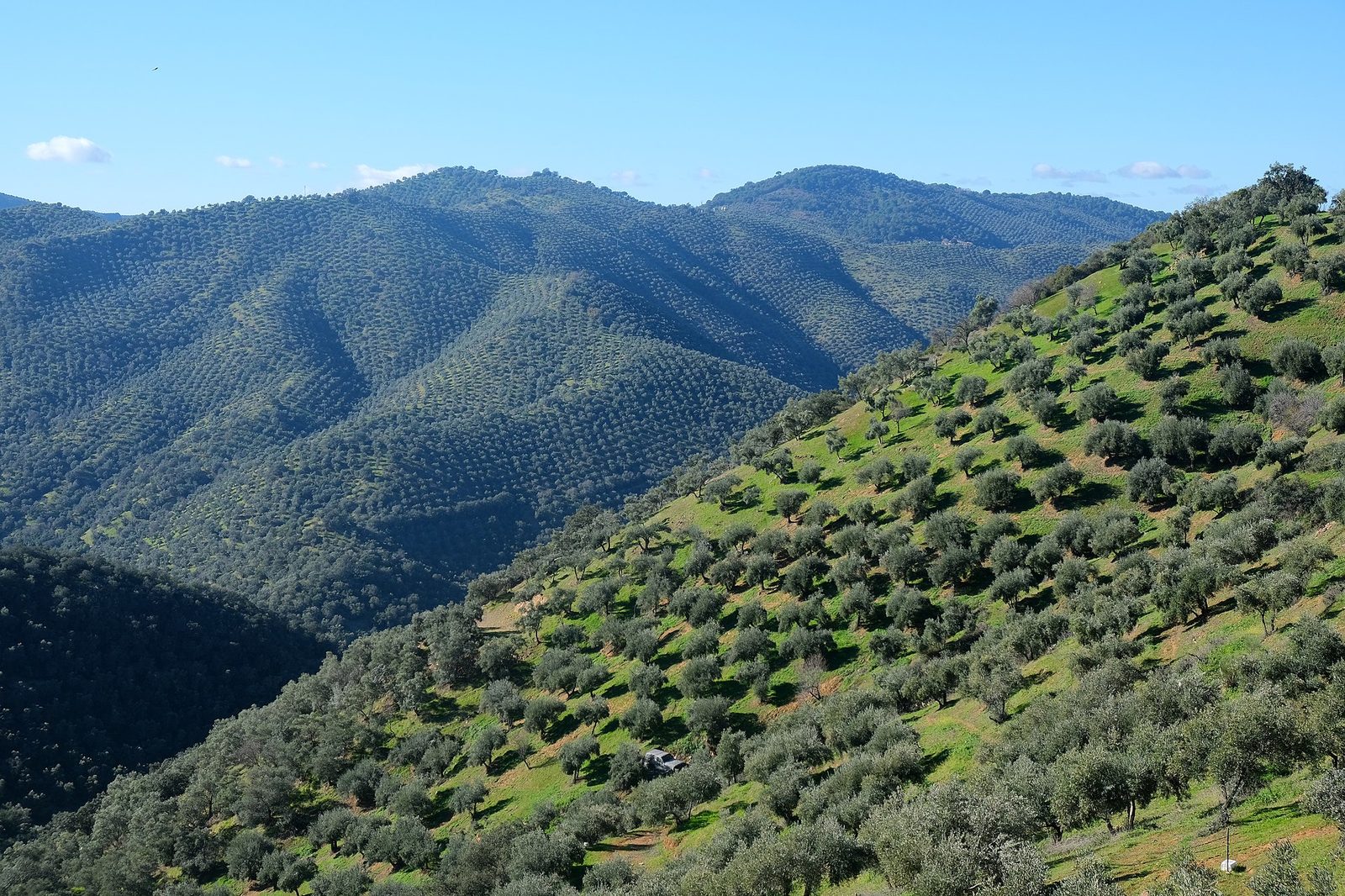
The world’s seventh-largest producer expected a roughly 15 per cent drop in 2018 in a natural off-year — yet still made about 115,000 tonnes, a big jump on the previous off-year and among its highest in five years. A decade earlier Portugal had been a net importer of olive oil; by 2018 it was a net exporter, converting fallow land to olives. That transformation, quietly achieved, is one of the most interesting shifts in the modern oil world.
How Portugal built a boom
The engine is the Alentejo, the hot, dry south, where large modern groves — many hedgerow-planted and irrigated for machine harvesting — went in on land that had grown little before. This is a different model from the old family terraces: efficient, high-yielding, quick to come into production. It is why a country that once bought oil now sells it, and why Portuguese output has climbed even as the olive’s natural off-years pull it up and down. The 2018 figure was an off-year that would once have been a good one.
Old groves, new industry
Portugal is not only modern groves, though. In the north, in Trás-os-Montes, older traditional plantings and native varieties like Galega, Cobrançosa and Verdeal give oils with real regional character, several under protected designations. So the country offers two faces: an efficient, export-driven modern industry in the south, and a quieter heritage of distinctive, place-specific oils in the north. Both are worth a shopper’s attention.
Why it is good news for buyers
For anyone buying oil, Portugal’s rise is straightforwardly good. More production means more competition, and because Portugal does not yet trade on a famous name the way Italy or Spain do, its oils are often excellent and underpriced — a medal-winning Portuguese bottle can cost less than a fashionable one of similar quality. It is one of the best-value corners of the shelf, precisely because its reputation has not yet caught up with its quality. Explore it through the encyclopedia.
Buying Portuguese oil
- Look to the Alentejo for modern, clean, well-priced oils and the north for traditional character.
- Learn a few native varieties — Galega, Cobrançosa, Verdeal — and buy by them.
- Portugal is often underpriced for its quality — a value hunter’s origin.
- Check for a protected designation and a harvest date, as with any oil.
- Treat a rising origin’s medal as a real bargain signal.
Portugal’s olive boom: common questions
How big a producer is Portugal?
Around the world’s seventh-largest. In 2018, even in a natural off-year, it still made about 115,000 tonnes of olive oil.
How did Portugal become an exporter?
By converting fallow land, especially in the Alentejo, to large modern groves. Within a generation it went from a net importer of olive oil to a net exporter.
Where is Portugal’s olive heartland?
The southern Alentejo, around Évora, Beja and Moura, drives the modern boom, while older traditional groves and native varieties sit in the northern Trás-os-Montes.
Is Portuguese olive oil good value?
Often, yes. Because Portugal does not yet trade on a famous name, its oils tend to be excellent and underpriced — one of the best-value corners of the shelf.
Which Portuguese varieties should I try?
Galega, Cobrançosa and Verdeal are good native starting points, several available under protected designations with real regional character.
Portugal is one of the great untold growth stories in oil — modern Alentejo groves, rising quality, and a national turn from buying oil to selling it, all in about a generation. For a shopper it is simply good news: more competition, and excellent, often-underpriced oils from a country that doesn’t yet trade on a famous name. That is exactly why it is such good value — the reputation hasn’t caught up with the quality. Buy a Portuguese oil by its region and variety and you often get a better bottle for less than a fashionable neighbour.
Drawn from December 2018 reporting on Portugal’s output in an off-year and its shift from net importer to net exporter of olive oil.