Morocco’s Signature Oils
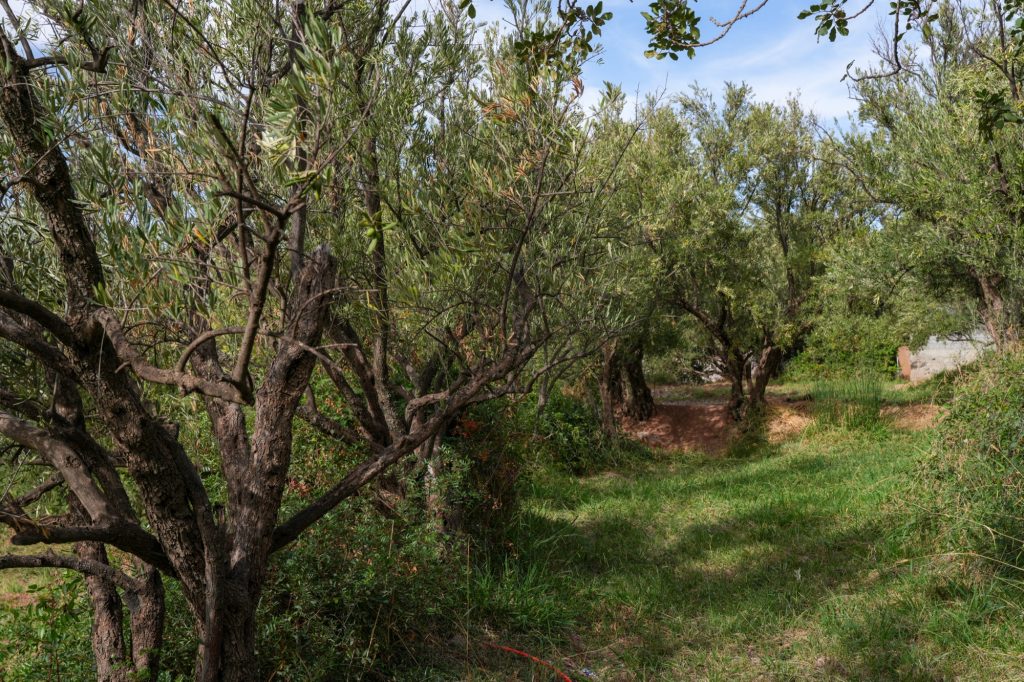
Moroccan olive oil is one of the Mediterranean’s quietly distinctive styles — long made for the home table rather than the export shelf, and all the more characterful for it. As the country’s best producers modernise, that local flavour is reaching wider, and it is worth knowing what gives a Moroccan oil its particular stamp.
Moroccan oil has spent most of its history pointed inward — made for the family table, the tagine and the bread, not for the export shelf or the medal table. That is exactly why it has so much character and so little fame. The flavour is built almost entirely on one variety, the Moroccan Picholine, and on a country that cooks with olive oil daily rather than treating it as a luxury. Now the best producers are turning that home-style oil outward, and a Moroccan bottle is starting to look like one of the better-value serious oils on the shelf. Here is what gives it its stamp.
The taste of the Moroccan Picholine
Almost all Moroccan oil comes from one variety, the Moroccan Picholine (the local Moroccan Picholine, not the French olive of the same name), and it sets the national flavour. At its best — picked green and milled quickly — it gives a robust, fruity oil, rich in polyphenols and notably stable, often with a fuller, rounder body and a warm, sometimes almost herbal character. It is rarely a delicate oil; it leans bold. Historically, much Moroccan oil was made the old way and could be heavy or faintly fermented, the rustic taste some still associate with the country. The modern wave of careful early-harvest oils tells a different story: clean, green, peppery, and squarely competitive with better-known Mediterranean names.
Two Moroccos in the bottle
In practice you meet two Moroccan oils, and the label rarely spells out which. One is the traditional, deeply flavoured everyday oil — often unfiltered, fuller and more rustic, woven into local cooking and inexpensive. The other is the new-style estate oil: early-harvested, cold-extracted, dated and proud of its origin, made to compete on quality. Both have their place, but they are not the same product. As with any region, knowing the variety and reading for a harvest date tells you most of what you need — a habit our wider encyclopedia keeps returning to, whatever country is on the bottle.
- Rustic everyday: fuller, sometimes unfiltered — for cooking and warm bread.
- Modern estate: early-harvest, dated, cleaner and greener — for finishing.
- Either way: expect robust, not delicate.
- Best signal: a region (ideally Meknès) and a harvest date.
| Style | Built on | Tastes of | Use it for |
|---|---|---|---|
| Modern early-harvest | Moroccan Picholine | Green, peppery, clean | Finishing, salads, showcasing raw |
| Traditional rustic | Moroccan Picholine | Fuller, ripe, sometimes fermented | Tagines, cooking, warm bread |
| Unfiltered village oil | Moroccan Picholine | Cloudy, robust, rustic | Everyday cooking, use young |
| Cooperative bottling | Moroccan Picholine | Robust, stable, dependable | All-rounder, good value |
The non-obvious point: rustic isn’t the same as bad
Here is where a lot of buyers go wrong. They taste a fuller, riper, faintly fermented traditional Moroccan oil, decide it is “off,” and write off the whole origin. But that ripe, rustic style is a deliberate tradition, not a fault — and poured over a tagine or warm flatbread it is exactly where it belongs. The mistake is using it like a bright finishing oil, or judging it by the standard of a fierce early-harvest green. Buy the modern dated estate oil when you want clean and peppery; keep an inexpensive rustic bottle for the cooking pot. Both are real Morocco. The error is expecting one to behave like the other.
Morocco’s signature oils: common questions
What variety is Moroccan olive oil made from?
Almost entirely the Moroccan Picholine (the local Moroccan Picholine), a robust, dual-purpose olive. It sets the national flavour: a fuller-bodied, fruity, polyphenol-rich oil that leans bold rather than delicate.
Why does some Moroccan oil taste fermented or heavy?
Because traditional Moroccan oil is often made in a riper, rustic style — sometimes unfiltered and fuller-bodied. That character is a deliberate tradition, not necessarily a defect, and it suits cooking and tagines. Modern early-harvest oils taste cleaner and greener.
Is modern Moroccan oil any good?
Increasingly, yes. Careful early-harvest, cold-extracted estate and cooperative oils — especially from around Meknès — are clean, green and peppery, and compete well with better-known Mediterranean origins, often at a fairer price.
How do I pick a good Moroccan oil?
Look for an extra-virgin Moroccan Picholine that is dated and names a region or estate, ideally Meknès. Expect something robust and green rather than delicate. For everyday cooking, a fuller rustic bottle is fine — just use it in the pot, not as a finishing oil.
What should I cook with Moroccan oil?
Match the style to the job. Use a clean, modern early-harvest oil raw, for finishing and salads. Use a fuller, rustic, traditional oil where it shines — in tagines, cooked dishes and poured over warm bread.
The trap with Moroccan oil is judging the whole country by one bottle. Taste a fuller, riper, faintly fermented traditional oil and it is easy to decide Morocco “can’t make good oil” — but that rustic style is a tradition, and over a tagine or warm bread it is exactly right. For clean and green, buy a dated, early-harvest estate Moroccan Picholine, ideally from around Meknès, and use it raw. For the cooking pot, an inexpensive rustic bottle does the job for less than any fashionable origin. Both are real. The only mistake is paying finishing-oil prices for cooking oil, or expecting a rustic oil to behave like a bright young green.
Drawn from Moroccan olive-sector reports and tasting practice; oils vary widely by producer.