Climate Change Marks the 2019 Harvest
Look back at a season that was, on paper, a recovery, and the real through-line still shows: drought, hail, frost and wind had become constants across the olive world. The quiet headline of the whole decade isn’t any single disaster — it’s the accumulation.
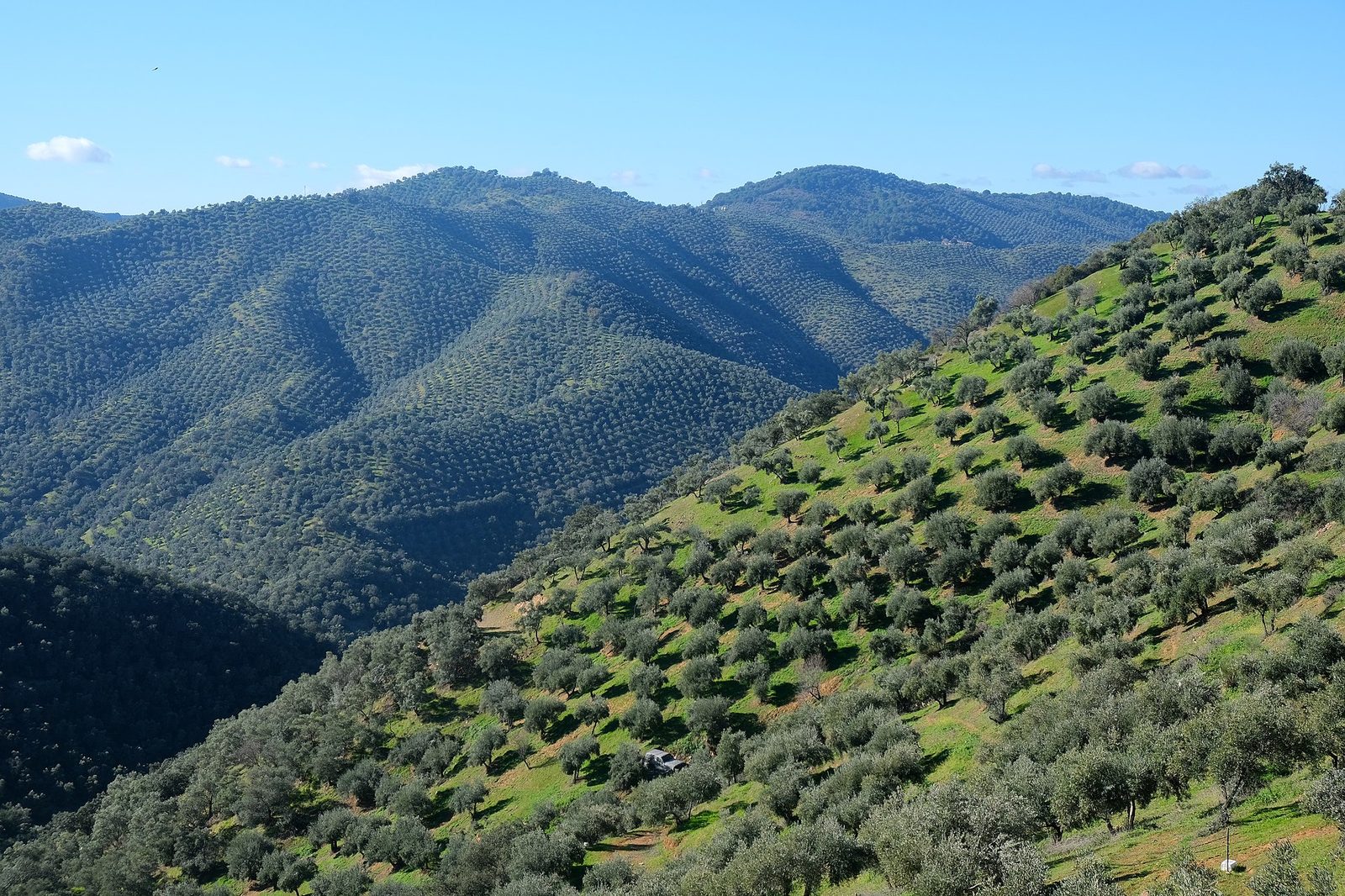
Reporting on the 2019 harvest noted that although many countries rebounded from a dire previous year, drought, hail, frost and strong winds remained constant threats. Some regions were still recovering from earlier collapses, while a lack of rain was expected to cut output sharply in parts of Spain — irrigation cushioning some groves while rain-fed areas suffered. A ‘good’ year, in other words, still came studded with local disasters.
The accumulation, not the single disaster
It’s tempting to read olive news one shock at a time — this drought, that frost, the other hailstorm. But the more honest way to see the decade is cumulative. No single event needs to be catastrophic for the trend to bite; it’s that a bad thing now happens somewhere almost every year, and often several bad things in several places at once. Frost here, hail there, drought somewhere else — averaged across a season, that steady drip of damage is the story, more than any one headline.
Why a hardy tree is still exposed
The olive is famously tough — it survives poor soil, heat and long dry spells that would kill most crops, which is why it has anchored Mediterranean farming for millennia. But hardiness has limits, and it’s tuned to the old pattern of weather. What a warming climate brings isn’t just ‘more heat’; it’s more erratic weather — a late frost after an early warm spell, a violent hailstorm, a hot wind at flowering, a drought that runs two or three years deep. The tree’s toughness was built for a steadier climate than the one arriving.
Why the answer is a wider map
If the threat is everywhere-at-once volatility, the durable answer is spread. A crop grown across many climates and both hemispheres is far more resilient than one concentrated in a few Mediterranean regions: a frost in Italy or a drought in Spain is cushioned by a good season in Chile, Australia, California or North Africa. That’s the case, year after year, for a wider growing map and for a fair price that keeps diverse growers — not just the biggest — in business.
| The old view | The honest view |
|---|---|
| One bad year, then back to normal | A steady drip of damage every year |
| A single region’s disaster | Several regions hit at once |
| The olive is tough, so it’s fine | Tough for the old climate, not the new volatility |
| Wait for prices to settle | Spread the crop to make supply resilient |
The takeaway
- The decade’s real story is accumulation — steady, spread-out damage — not one big disaster.
- A ‘recovery’ year can still carry frost, hail and drought across different regions.
- The olive is hardy, but tuned to an old, steadier climate, not today’s volatility.
- A wider growing map and fair prices are the durable answer to that volatility.
Climate and the olive harvest: common questions
Wasn’t 2019 a recovery year?
On paper, yes — many countries rebounded from a dire previous season. But drought, hail, frost and wind still struck across different regions, so the recovery was uneven.
What’s the ‘accumulation’ point?
That the real threat isn’t one catastrophic event but the steady drip of damage — a bad thing happening somewhere, often several places at once, almost every year.
Isn’t the olive tree very hardy?
Yes, but its toughness is tuned to the old, steadier climate. A warming, more erratic climate brings late frosts, violent hail and multi-year droughts that test it everywhere at once.
Why does irrigation matter?
Irrigated groves can be cushioned in a dry year while rain-fed areas suffer, so even within one country the harvest and the pain are unevenly spread.
What actually helps?
A wider growing map across many climates and both hemispheres, plus fair prices that keep diverse growers in business — so a bad season in one place is offset by a good one elsewhere.
This is the quiet headline of the whole decade: not any single disaster, but the accumulation. A ‘good’ year now still comes with frost here, hail there, drought somewhere else. The olive’s legendary toughness is meeting a climate that tests it everywhere at once — and the case, year after year, is for a fair price and a wider map. Don’t wait for one bad season to ‘end’; the pattern is the point, and spreading the crop is the only durable reply.
Drawn from November 2019 reporting on how climate stress marked that season’s harvest.