USDA Sees a Third Straight Decline
In June 2020, the USDA forecast world olive-oil output falling for a third year running, to about 3.03 million tonnes. No single year here looked alarming — and that is precisely how reserves quietly drain before a storm.
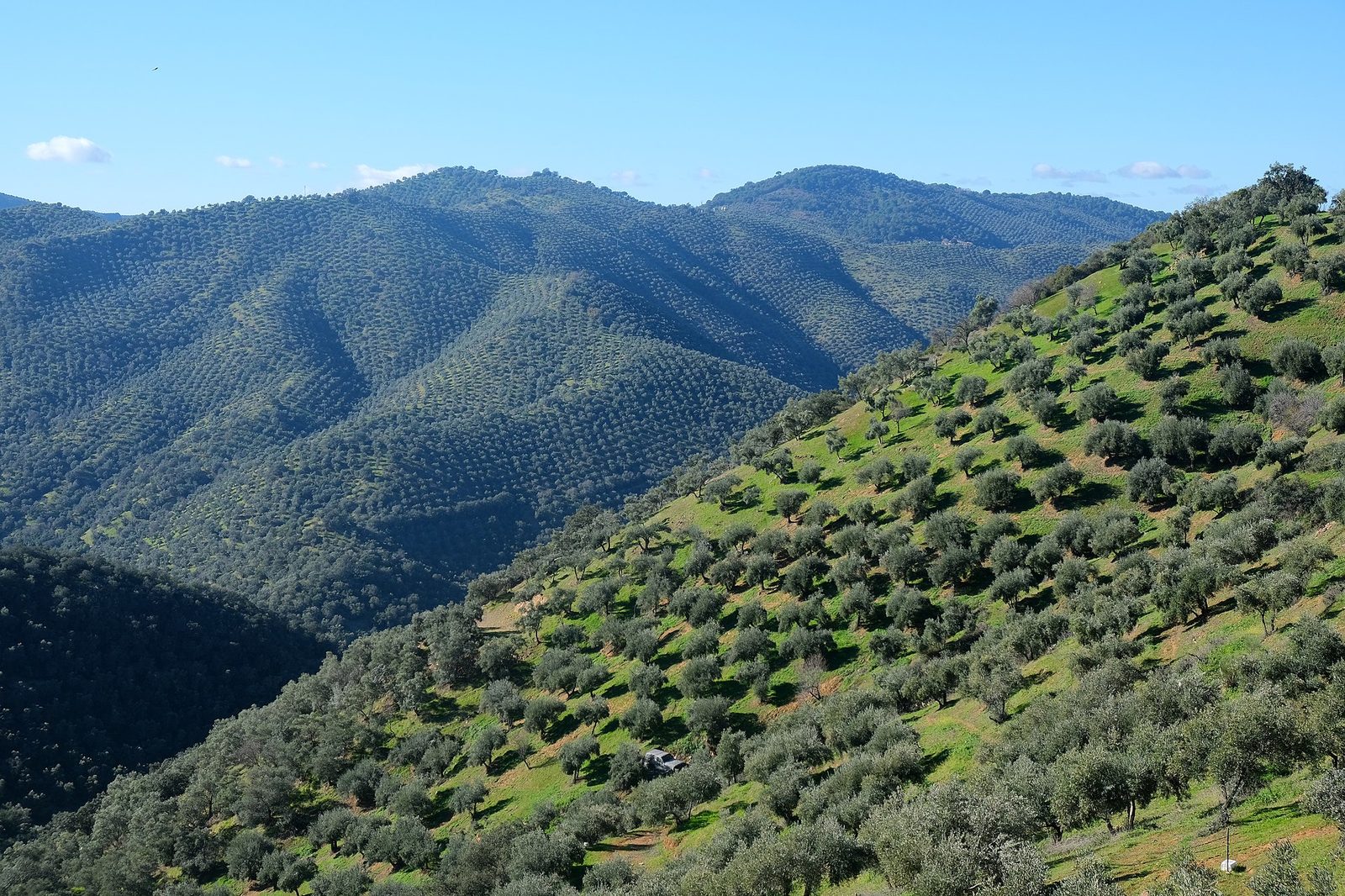
In June 2020, the USDA predicted global production would decline for a third consecutive year, down nearly 3 per cent to about 3.03 million tonnes for 2020/21, from 3.12 million in 2019/20. A few per cent down is hardly a crisis, and at the time it made few headlines. But three down years in a row is a different thing from one, and understanding why is the key to reading this whole era — the slow tightening that set up the great shortage a few years later.
Why small declines add up
The market carries a cushion of stored oil from past harvests, and that cushion is what keeps prices steady when a crop comes in light. A single below-average year barely dents it. But each down year draws the reserve a little lower, and a run of them drains it steadily — until there is no slack left. When that happens, the next poor harvest has nothing to fall back on, and the price, which had held firm through the earlier declines, finally lurches. Three quiet years are how you arrive at that edge.
Why the tree makes this likely
The olive practically guarantees uneven supply. It is an alternate-bearing tree, so heavy years alternate with light ones, and a warming, drying Mediterranean tilts more of those swings downward. Stack a natural off-year on top of drought and you get repeated shortfalls rather than a tidy average. The USDA’s third-straight-decline forecast was that biology showing up in the world numbers — not a freak event, but the tree behaving as it does.
The runway to the shortage
Read in hindsight, 2020’s gentle decline was the runway. Reserves that had cushioned the market for years were thinning just as the climate was making bad harvests more frequent. When the catastrophic drought arrived, there was no buffer left to absorb it — which is why the price did not dip but exploded. The lesson for anyone who buys oil is to respect the boring years: a string of small declines is the quiet setup for a loud crisis. See where it led, in the great shortage.
What to take from it
- Don’t dismiss a run of small declines — that is how the market’s cushion drains.
- Watch reserves and multi-year trends, not just one harvest.
- The olive’s alternate-bearing nature all but guarantees uneven supply.
- A thin buffer turns the next bad harvest into a price shock, not a dip.
- The quiet years are the setup; respect them.
The 2020 USDA forecast: common questions
What did the USDA forecast in 2020?
World olive-oil output falling for a third straight year, down nearly 3 per cent to about 3.03 million tonnes for 2020/21, from 3.12 million the year before.
Why did such a small decline matter?
Because it was the third in a row. Each down year draws the market’s cushion of stored oil a little lower, and a run of them drains it — leaving no buffer for the next poor harvest.
How do stored reserves affect prices?
Reserves from past harvests keep prices steady when a crop is light. Once they are drained by repeated declines, prices can lurch on the next shortfall instead of holding firm.
Why is olive supply so uneven?
The olive is an alternate-bearing tree, so heavy and light years alternate. A warming, drying Mediterranean tilts more swings downward, producing repeated shortfalls.
What did 2020 lead to?
It was the runway to the great shortage. With reserves already thin, the later catastrophic drought had no buffer to absorb it, so the price exploded rather than dipped.
No single year here looks alarming — a few per cent down, hardly a crisis. But three down years in a row is exactly how reserves quietly drain, leaving no cushion for the bad season to come. That is the part most people miss when they read a harvest report: the danger is not any one figure, it is the trend beneath them. Read in hindsight, 2020’s gentle decline was the runway to the great shortage. Respect the boring years — they are where the loud ones are built.
Drawn from the USDA’s June 2020 forecast of a third straight annual decline in world olive-oil output.