In Focus: The Toffahi Olive
Its name tells you what to expect: toffah means apple, and the Toffahi is large, round and apple-like. This is one of Egypt’s leading table olives — a green-pickling cultivar through and through, valued for the bite, not the bottle.
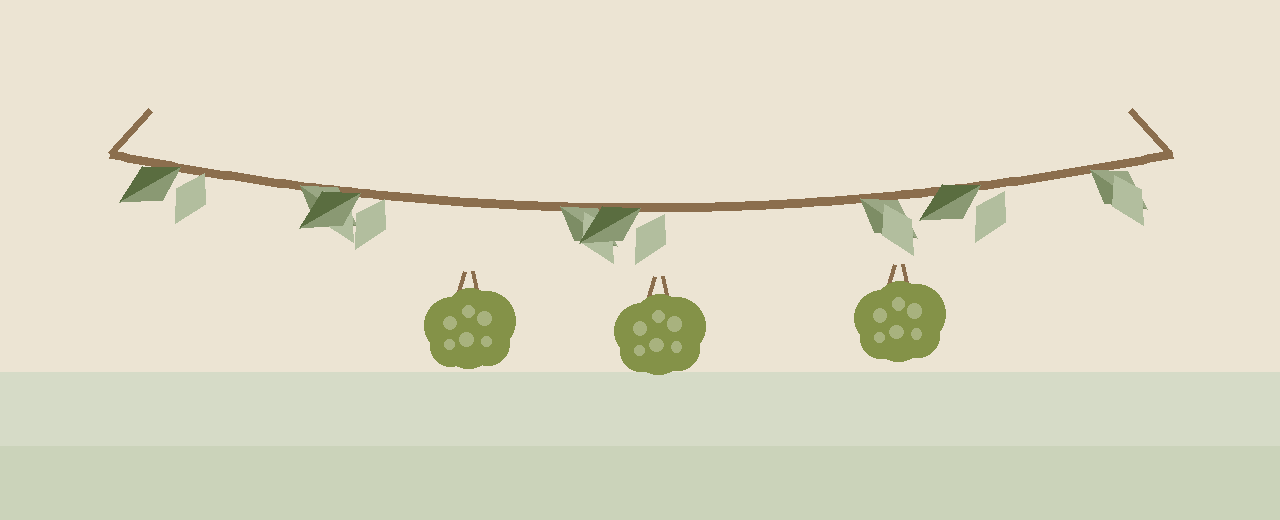
The Toffahi is a widely planted local variety in Egypt, grown across Fayoum, Giza and Beni Suef and out along the desert road toward Alexandria and the Nubaria reclamation lands. It is a table cultivar, not an oil one: the fruit is large and round — commonly eight to sixteen grams — with an oil content of only around five to seven percent, so milling it would make little sense. It comes into bearing early, is self-compatible, and flowers and ripens early in the season. One trait processors prize above all: the flesh detaches cleanly from the stone, which makes it easy to pit and stuff.
An Egyptian table olive, plain and proud
Egypt is one of the world’s biggest table-olive producers, and much of that reputation rests on generous green fruit like the Toffahi. It is not a subtle variety and does not pretend to be — it is bred for size, a clean snap and a mild, gentle flavour that carries a cure and a stuffing well. In a country where the olive is eaten far more often than it is pressed, that is exactly the job it is asked to do, and it does it at scale.
Why it is pickled green
Toffahi is used chiefly for green pickling. Although it colours early on the tree, it is not well suited to black processing: the fruit tends to soften and ferment too readily during that longer cure. Picked and cured green, it gives the big, firm, mild table olive Egyptian cooks know well. Its weaknesses are practical ones — the fruit bruises easily and is sensitive to rough handling and transport, and the tree is vulnerable to the olive fruit fly. For the eater the takeaway is simple: this is a generous green olive for the table, best enjoyed for its size and its clean, gentle taste.
What the brine is telling you
Here is the part the label never mentions. Because Toffahi bruises so easily, condition matters more than variety. A perfect Toffahi and a battered one are the same olive — the difference is entirely in the handling and the cure. So read the jar, not the name: firm, unblemished fruit in a clean, clear brine is a well-run operation; soft, mushy olives in cloudy liquid are a warning, whatever the size. With this variety, freshness and care are the whole story.
| Origin | Egypt (Fayoum, Giza, Beni Suef) |
|---|---|
| Also called | Tuffahi, Toffahy |
| Type | Table olive (green-pickling) |
| Fruit weight | Roughly 8–16 g |
| Oil content | Low, about 5–7% |
| Harvest | August–September (green) |
| Best use | Pitted, stuffed, on a mezze plate |
Buying & using Toffahi
- Look for firm, unblemished fruit in a clean, clear brine — softness and cloudy liquid mean rough handling.
- Its size and clean-detaching stone make it a natural for pitting and stuffing.
- Treat it as a table olive only; there is no Toffahi oil worth seeking.
- Serve it where size and snap earn their place — a mezze plate, an antipasto, a snacking bowl.
Toffahi olives: common questions
Is Toffahi an oil or table olive?
A table olive. Its oil content is far too low — around five to seven percent — to make milling worthwhile; it is grown to be cured and eaten.
Where does Toffahi come from?
Egypt, especially the Fayoum region, plus Giza and Beni Suef, spreading onto the reclaimed desert lands toward Alexandria.
Why is it called Toffahi?
From toffah, the Arabic for apple — the fruit is large, round and apple-like in shape.
Why is Toffahi only pickled green?
It colours early but softens and ferments too readily in the longer black cure, so it is picked and cured green for a firm, mild table olive.
How do I judge a good jar of Toffahi?
Look for firm, unblemished olives in a clean, clear brine. The variety bruises easily, so condition and careful handling matter more than the name.
Because Toffahi bruises so easily, condition matters more than usual — a perfect one and a battered one are the same olive, separated only by handling. Look for firm, unblemished fruit in a clean, clear brine, not soft olives in cloudy liquid. As a large, mild green olive with a stone that lets go cleanly, it is a natural for pitting and stuffing, or for a mezze plate where size and a clean snap earn their keep.
Variety profile per the olives101 encyclopedia and the World Olive Catalogue (International Olive Council).