Heat and Wildfire Threaten Greece’s 2021 Harvest
One August, Greece endured its worst heatwave in three decades, followed by deadly wildfires that scorched olive country and burned tens of thousands of hectares. Fire is the newest entry on the olive’s long list of climate threats — and a peculiarly cruel one.
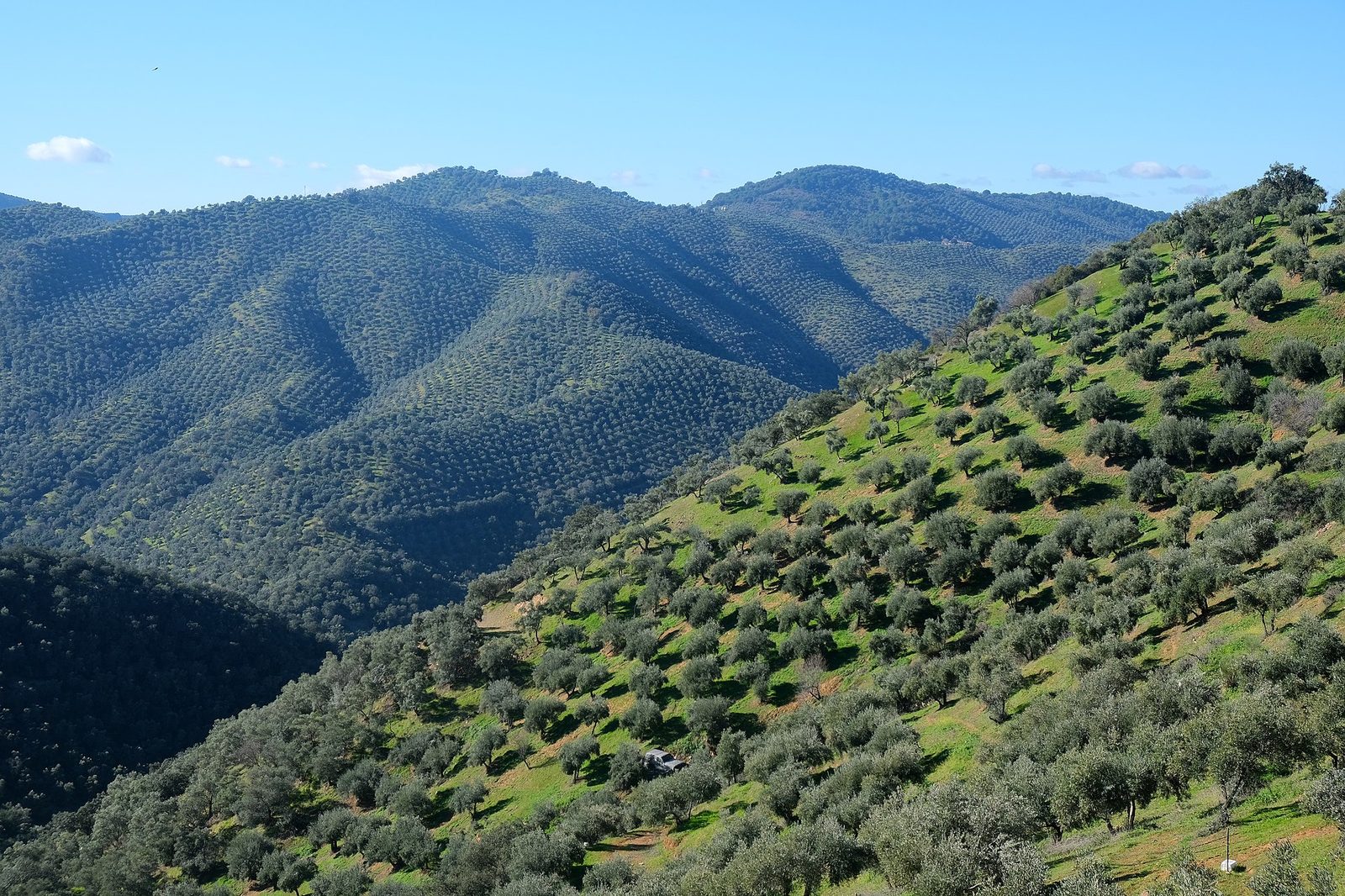
In the depths of one summer, Greece endured its most severe heatwave in thirty years — around 45°C for days on end — followed by deadly fires. Roughly three rainless months had stressed the trees, and blazes in the north of Evia destroyed about 50,000 hectares of forest and farmland, cutting harvest prospects and prompting a request for emergency aid. Behind the headline is a threat that behaves differently from drought, and hurts for far longer.
Why fire is different from drought
A drought steals a harvest; fire can steal a lifetime. When heat and drought cut a crop, the trees survive and the next year can recover. When fire runs through a grove, the trees themselves are gone — and an olive is not an annual you replant and harvest next season. A newly planted olive takes years to bear meaningfully and decades to reach full maturity. A burned grove is not a lost season but lost decades, the slow work of generations gone in an afternoon.
The heat-and-fire spiral
Heat and fire feed each other. A long, hot, rainless spell dries out vegetation and turns a grove and its surroundings into fuel; then a single spark does the rest. As Mediterranean summers grow hotter and drier, that fuel is drier and more abundant more often, so the line between an ordinary heatwave and a catastrophe keeps thinning. The same climate trend that raises the odds of a drought-hit harvest also raises the odds of a fire that ends a grove outright.
What can and cannot be done
Some of the loss can be blunted — firebreaks, cleared undergrowth, spacing, and quick response all help. But there is no fertiliser and no good year that brings a burned old grove back quickly; you replant and wait a generation. That asymmetry is why fire deserves its own place on the olive’s list of dangers, above and apart from a bad-weather harvest, and why the old orchards that survive are worth protecting fiercely.
| The trigger | Prolonged heat and drought drying the fuel |
|---|---|
| The event | Wildfire running through the grove |
| Drought loss | A harvest — the trees recover |
| Fire loss | The trees themselves — decades to replace |
| Recovery time | Years to bear, decades to mature |
| The trend | Hotter, drier summers raise the risk |
- Drought costs a harvest; fire can cost the trees themselves.
- A burned grove is lost decades, not a lost season.
- Heat and fire feed each other as summers grow hotter and drier.
- Old surviving groves are irreplaceable and worth protecting.
Fire and the olive grove: common questions
Isn’t the olive tree fire-resistant?
Olives can sometimes resprout from the base after a light burn, but an intense wildfire kills the trees or damages them so badly that the grove is effectively lost for a generation.
Why is fire worse than drought for a grove?
Drought costs a single harvest, and the trees usually recover. Fire can destroy the trees themselves — and an olive takes years to bear and decades to mature, so replacing a burned grove is the work of a generation.
How much can a single fire season destroy?
A great deal: in the event described, blazes on one Greek island burned around 50,000 hectares of forest and farmland, taking olive groves with everything else.
Is wildfire risk to olives getting worse?
Yes. Hotter, drier Mediterranean summers dry out the fuel more often and more completely, so the line between a heatwave and a catastrophic fire keeps thinning.
Can anything protect a grove from fire?
Firebreaks, cleared undergrowth, sensible spacing and fast response all help reduce the risk — but nothing brings a burned old grove back quickly once the trees are gone.
Fire is the newest entry on the olive’s long list of climate threats — and a peculiarly cruel one, because a burned grove isn’t a lost season but lost decades, the slow work of generations gone in an afternoon. As Mediterranean summers grow hotter and drier, the line between ‘heatwave’ and ‘catastrophe’ keeps thinning — which is exactly why the old groves that survive are worth protecting fiercely.
Drawn from reporting on Greece’s record heatwave and wildfire season.