In Focus: The Nocellara Etnea Olive
Most people meet Nocellara through a bowl of plump green Sicilian olives without ever learning its name. It grows on the volcanic flanks of Mount Etna, where ash-rich soil and warm light shape a fruit equally at home cured whole or crushed for oil.
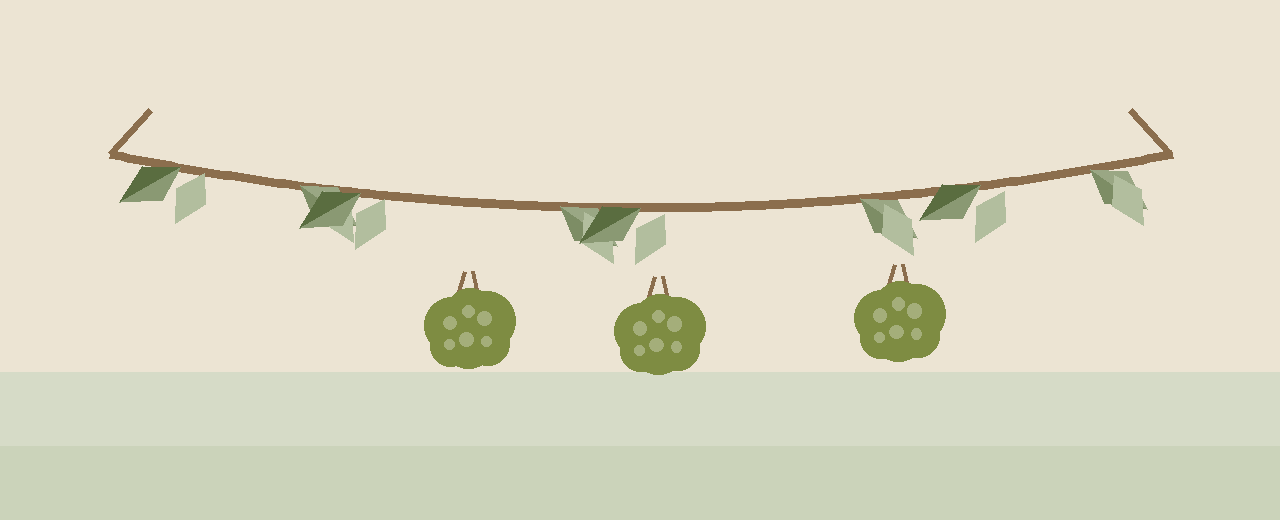
Nocellara Etnea is the eastern Sicilian cousin of the better-known Nocellara del Belice, and the two are often confused on a label. This one ripens on the lower slopes around Etna, in deep mineral soil left by old eruptions. The tree is vigorous and the fruit rounded, almost apple-shaped, with a small stone and a high flesh ratio — the trait growers prize in a dual-purpose olive. Picked green, it is firm and grassy; left to blush toward black, it softens and sweetens. What the volcano gives, more than anything, is reliability: warm days, cool nights and a long season that lets sugars and bitterness settle into balance.
A volcanic upbringing
Terroir is a word that gets thrown around loosely, but Etna earns it. The mineral-rich volcanic soil, the altitude, the swing between warm days and cool nights — all of it shapes a fruit with balance built in, its sugars and its bitterness settling into each other over a long season. The Nocellara Etnea is a true child of the mountain, and it tastes like the place. That rounded, almost apple-shaped drupe with its small stone is nature handing the grower a near-perfect dual-purpose olive: plenty of crisp flesh for the jar, enough oil for the mill.
At the table and the mill
Cured green in brine, Nocellara Etnea is the archetype of a good aperitivo olive — crunchy, buttery, faintly herbal, with none of the soapy aftertaste of an olive cured too fast. Pressed for oil, the same fruit yields something medium-fruity, with a tomato-leaf greenness and a gentle pepper at the back of the throat. Sellers love to dress it up with words like ‘buttery’ and ‘delicate,’ and here — unusually — the words actually fit. It is one of the pleasures of Sicilian eating done properly.
What’s really in the jar
Here is the trade truth. If you see Sicilian green olives that snap when you bite them and taste fresh rather than vinegary, there is a fair chance this is the cultivar in the jar — whatever the front label actually says, and however loosely ‘Nocellara’ is used to mean either the Etnea or its western cousin the Belice. The two are different olives from different corners of Sicily, and the label rarely tells you which. Don’t fret over the name; trust the snap and the freshness, and buy from a counter where you can taste before you commit.
| Origin | Eastern Sicily, Mount Etna, Italy |
|---|---|
| Cousin | Nocellara del Belice (western Sicily) |
| Type | Dual-purpose (table & oil) |
| Fruit | Round, apple-shaped, small stone |
| Harvest | September–November |
| Flavour | Table: crisp, buttery, herbal. Oil: tomato-leaf, gentle pepper |
| Best use | Aperitivo table olive; medium-fruity finishing oil |
Buying & using Nocellara Etnea
- Buy them whole and unpitted if you can — pitting bruises the flesh and washes out flavour.
- Warm them gently in a little oil with lemon peel and a bruised garlic clove; serve barely above room temperature.
- Trust the snap and the freshness, not the front label — ‘Nocellara’ is used loosely.
- As oil, treat it as a medium-fruity finishing oil with a tomato-leaf green note.
Nocellara Etnea olives: common questions
Is Nocellara Etnea a table or oil olive?
Both — it is genuinely dual-purpose. Its round, high-flesh fruit makes a crisp green table olive and also presses into a medium-fruity oil.
Where does Nocellara Etnea come from?
Eastern Sicily, on the volcanic lower slopes of Mount Etna around Bronte, Adrano and Paternò, in the province of Catania.
How is it different from Nocellara del Belice?
They are cousins from opposite corners of Sicily — the Etnea from Etna in the east, the Belice from the west. They are different olives, and labels often blur the two.
What does Nocellara Etnea taste like?
Cured green, crisp, buttery and faintly herbal. As oil, medium-fruity with a tomato-leaf greenness and a gentle pepper at the back of the throat.
How should I serve the table olives?
Whole and unpitted, warmed gently in a little of their own oil with lemon peel and garlic, served barely above room temperature — cold dulls them, heat wakes them.
If you can find Nocellara loose at a good deli, buy them whole and unpitted — pitting bruises the flesh and lets brine wash out the flavour. Rinse off the surface salt, warm them gently in a little of their own oil with a strip of lemon peel and a bruised garlic clove, and serve barely above room temperature. Cold dulls them; heat wakes them up. And don’t fret about whether the label means Etnea or Belice — trust the snap and the freshness in your mouth.
Based on Sicilian cultivar records and table-olive trade practice.