In Focus: The Lechin de Sevilla Olive
Lechin de Sevilla is one of Andalusia’s oldest olives and its great survivor: a drought-hardy, dryland variety that thrives where softer cultivars fail. Dual-purpose — cured black for the table, pressed for a mild, nutty oil — it is a quiet workhorse of the Spanish south.
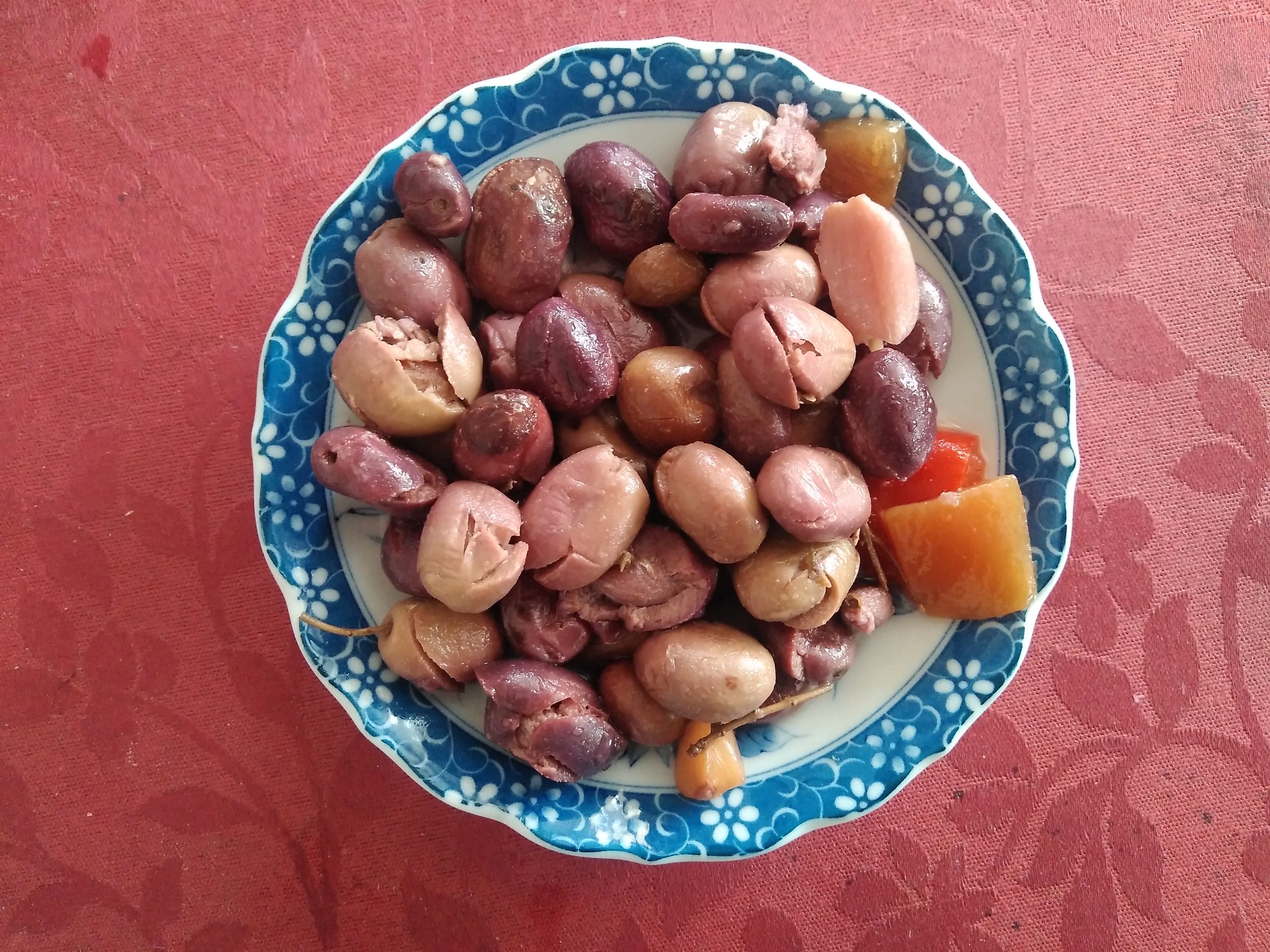
Lechin de Sevilla — also known as Zorzaleño, Ecijano or simply Lechin — is one of the oldest cultivars of the Andalusian olive grove, planted mainly across Seville, Córdoba, Granada and Almería. It is a dryland variety in the truest sense: drought-hardy, late-ripening, and content on the poor, difficult soils that would defeat a fussier tree. Dual-purpose, it is cured black for the table and pressed for oil, and though its area has shrunk in the age of mechanised harvest, it remains a dependable presence in the Spanish south.
The survivor of the dry lands
Not every olive earns its keep by yield or fashion; some earn it by sheer endurance. Lechin de Sevilla is one of those. It was planted across Andalusia precisely because it copes — with drought, with thin soil, with the harsh continental swing of the interior — and keeps cropping when kinder varieties would sulk. That reliability made it one of the great old workhorses of the region, long before Picual and Hojiblanca came to dominate the modern industry.
Oil and table both
As an oil, Lechin gives a well-balanced, fluid extra virgin with a thick, unctuous texture, yellow-green in colour, and a mild, gently sweet, nutty character — approachable rather than aggressive. Its oil yield is moderate but the quality is respected, especially given the poor ground it grows on. As a table olive it is traditionally cured black, firm and crisp. It appears among the permitted varieties in Andalusian designations such as the Sierra de Cádiz, where its balance rounds out a blend.
Why you rarely see its name
Here is the honest part. For all its history, Lechin de Sevilla is little known outside Spain, and rarely sold as a named single-variety oil abroad. Two things work against it: its moderate yield, and the fact that it does not suit modern trunk-shaker mechanised harvesting well, so growers have replaced it with more machine-friendly varieties. The upshot is that when you do meet it, treasure it — a named Lechin is a taste of old, dryland Andalusia that the efficiency drive has quietly pushed to the margins.
| Origin | Andalusia, Spain |
|---|---|
| Also called | Zorzaleño, Ecijano, Lechin |
| Type | Dual-purpose (oil & table) |
| Protected origin | Permitted in Sierra de Cádiz and other Andalusian oils |
| Harvest | December–January (late) |
| Flavour | Mild, balanced, nutty; unctuous texture |
| Best use | Everyday finishing; also cured black for the table |
Buying & using Lechin de Sevilla
- A named single-variety Lechin is rare — if you find one, treat it as a discovery.
- Its mild, nutty balance suits everyday finishing — salads, vegetables, fish.
- As a table olive, look for the traditional black cure, firm and crisp.
- Andalusian PDO blends (e.g. Sierra de Cádiz) may lean on it, uncredited on the front.
Lechin de Sevilla olives: common questions
Is Lechin de Sevilla an oil or table olive?
Both — it is dual-purpose, cured black for the table and pressed for a mild, balanced oil.
Where does Lechin de Sevilla come from?
Andalusia in southern Spain, mainly Seville and Córdoba, spreading into Granada and Almería on dry, poor ground.
What does Lechin oil taste like?
Mild and well-balanced — gently sweet and nutty, with a thick, unctuous texture and yellow-green colour; approachable rather than fierce.
Why is Lechin less common now?
Its moderate yield and poor suitability for modern trunk-shaker harvesting have seen it replaced by more machine-friendly varieties.
How should I use Lechin?
As an everyday finishing oil over salads, vegetables and fish; the fruit is also traditionally cured black for the table.
Lechin de Sevilla is Andalusia’s great survivor — planted for endurance, not fashion, cropping on dry, poor ground where softer trees give up. The oil is mild, nutty and balanced; the fruit cures firm and black. The honest catch is scarcity: its moderate yield and poor fit for mechanised trunk-shaker harvest have pushed it to the margins, so you rarely see its name. If you find a single-variety Lechin, treasure it — it is a taste of old dryland Spain the efficiency drive has quietly sidelined.
Drawn from Andalusian variety records and the Sierra de Cádiz designation of origin.