How Cyprus Makes Its Oil
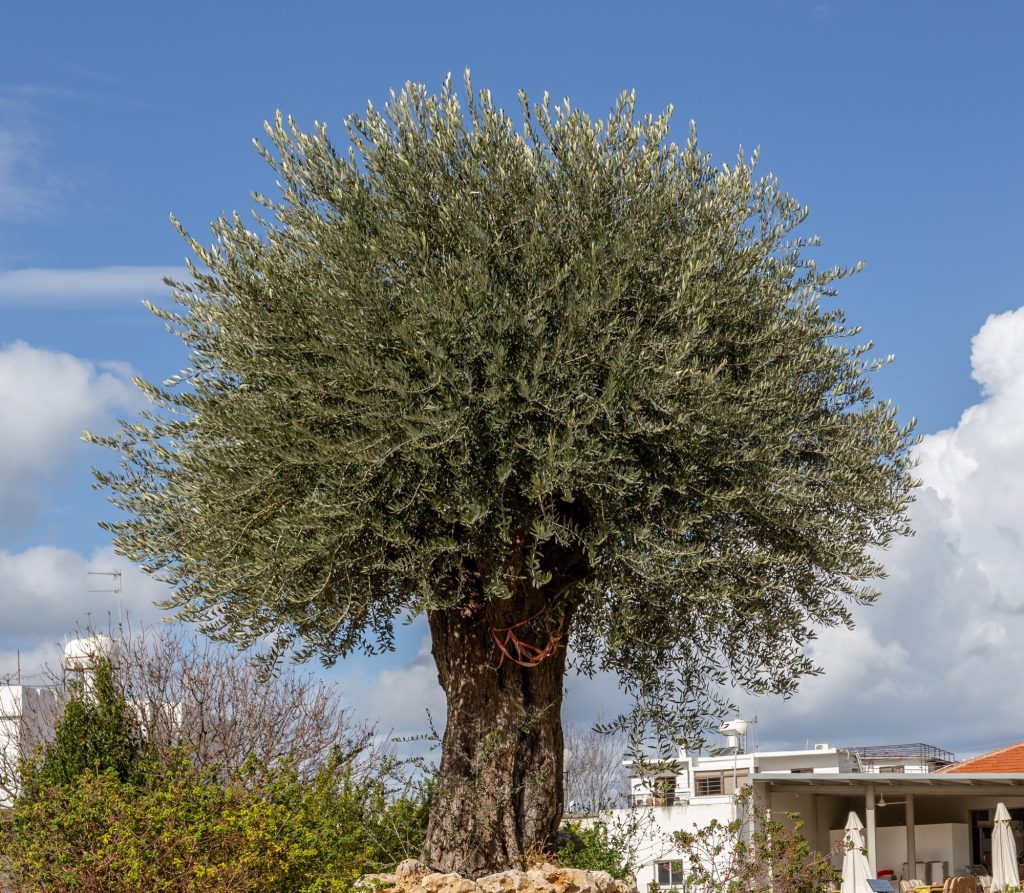
Having looked at where Cyprus grows olives and what its oil tastes like, the last piece is how the fruit actually becomes oil. The Cypriot answer is small-scale, community-minded and largely traditional — built around family groves and village co-operatives more than vast plants.
Cyprus has worked the olive for thousands of years, but it has never industrialised the way the big producers did. The defining feature of Cypriot oil is its social shape: a family grower brings fruit to a shared village mill, and the oil comes back as a personal, traceable thing rather than an anonymous commodity. That intimacy is both the island’s charm and its risk — and it explains almost everything about the bottle.
From grove to mill
Much of the island’s harvest still comes from small, family-held groves, often rain-fed and hand- or net-harvested rather than mechanised on a large scale. Growers commonly bring their fruit to a shared village mill or a local co-operative, where olives from many small holdings are pressed together or in turn. This pattern — the family grower and the communal press — is the backbone of Cypriot oil. Modern stainless mills exist alongside older operations, but the social shape is consistent: oil-making as a local, seasonal, shared event rather than a faceless industry. People know whose olives went into the press.
What the scale means for you
This small, local structure has consequences in the bottle. On the good side, freshness can be excellent and the link between grower and oil is direct and traceable. On the harder side, consistency varies and very little is set up for export, so quality control and labelling can be patchy by international standards. The honest takeaway: buy Cypriot oil close to its source and recent in its harvest, and you can get something genuinely good and characterful. Buy it as an anonymous souvenir tin and you are gambling. The intimacy of the system is both its charm and its risk.
The angle: the co-operative press is a shared queue, not a brand
Here is the thing visitors rarely grasp. At a Cypriot co-operative mill, your olives are not necessarily kept separate. In many small presses fruit from many growers is run in turn, and unless you arrange otherwise you may get oil back by weight from a common pool rather than from your own trees. That is fine when everyone’s fruit is fresh and clean — but it means one careless grower’s over-ripe, fermenting olives can drag down a batch that includes yours. The good co-ops manage this with separate runs and strict intake; the casual ones don’t. It is why “co-op oil” tells you less than the specific mill’s discipline does.
Drought is the quiet hand on every harvest
One factor shapes Cypriot milling more than any machine: water, or the lack of it. Most island groves are rain-fed, not irrigated, so the size and even the existence of a harvest swings with the winter rains. A dry year shrinks the fruit, concentrates it, and can halve what a grove yields; a good year fills the mills. This is why Cypriot oil is so variable from season to season as well as from grower to grower — the climate writes the first draft, and recent dry years have squeezed the island hard. For a buyer it means two things. A named harvest year is not just a freshness marker here but a clue to what kind of season produced the oil. And a grower who can talk about their water — a spring, a well, a rare irrigated plot — is usually one whose oil holds up when the rains fail.
| Main regions | Paphos, Limassol, Larnaca and Nicosia districts; Troodos foothills |
|---|---|
| Harvest | October to December |
| Groves | Small, often rain-fed, hand- or net-picked |
| Milling | Village co-operatives and small mills, some modern stainless |
| Signature olive | The native Cypriot variety |
| Destination | Overwhelmingly the domestic table |
How to buy Cypriot oil well:
- Buy from a village mill or co-op rather than an airport shelf — cheaper and fresher.
- Ask for the current harvest and taste before committing; a refusal tells you something.
- Favour a recent harvest date over a pretty label — the virtue here is freshness.
- Expect a grassy, peppery oil in the robust Greek mould; a good Cypriot oil leans green.
- Choose tins over glass for travel — they keep light out on the journey home.
How Cyprus makes its oil: common questions
When is the Cypriot olive harvest?
Roughly October to December. Much of the fruit is hand- or net-picked from small, often rain-fed family groves rather than machine-harvested at scale.
What is a co-operative mill?
A shared village press where olives from many small growers are milled together or in turn. It is the backbone of Cypriot oil — local, seasonal and traceable — but in casual operations your oil may come from a common pool rather than only your own trees.
Why is Cypriot oil quality so variable?
The system is intimate and small-scale, with little set up for export, so labelling and quality control can be patchy. Buy close to source and recent in harvest and it can be excellent; buy an anonymous souvenir tin and you are gambling.
What does Cypriot oil taste like?
At its best, fresh, grassy and pleasantly peppery, leaning toward the robust green Greek style rather than soft, buttery oils — a reflection of the hard sun, dry slopes and the native variety.
What should I buy and how do I carry it?
Ask for the current harvest, taste first, and favour a recent date over a pretty label. For travel, choose tins over glass — they keep light out and protect the oil on the way home.
At a village co-operative, ask when the oil was pressed and whether you can taste before buying — in a small, local operation people will usually oblige, and a refusal tells you plenty. But know the quiet catch of co-op milling: in casual presses your fruit may be run into a common pool, so one grower’s careless, over-ripe olives can drag down a batch with yours. The disciplined mills keep runs separate. Look for a recent harvest date over a pretty label; the best Cypriot oil rarely travels far or dresses up much, and freshness is exactly what you should check.
Compiled from general accounts of Cypriot olive milling.