Padma Lakshmi Tries Spanish Olives/Olive Oils
Spain is the largest producer of both olive oil and table olives on the planet, and the range on a Spanish counter is far wider than the two or three types that reach most export shelves. Here is what is actually worth knowing.
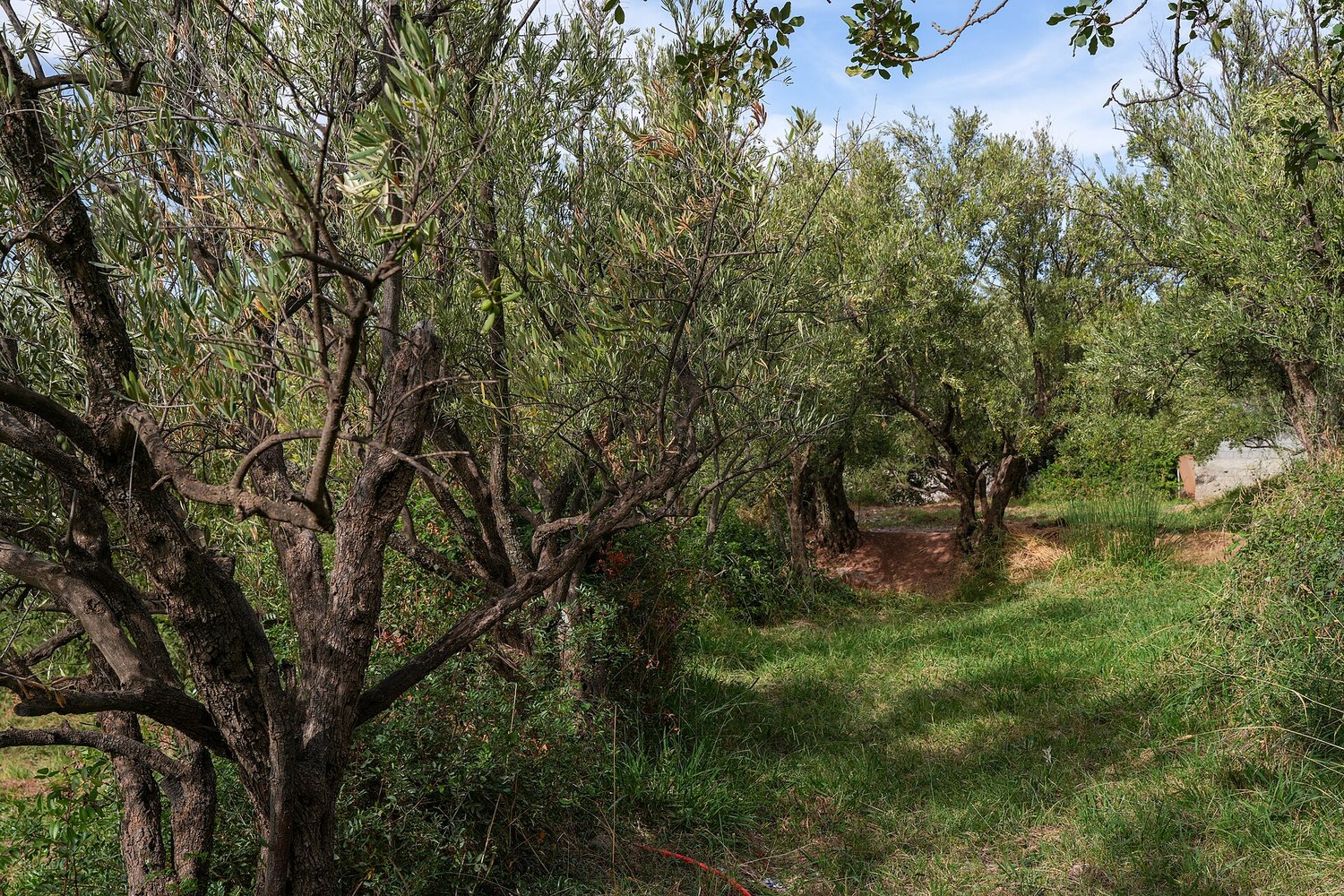
Ask most people outside Spain to name a Spanish olive and you will get one answer, if any: the small green one stuffed with a red thing. That olive is real, it is usually Manzanilla, and it is a fine product. But it represents a sliver of what Spain actually grows, and the gap between the Spanish counter and the export shelf is one of the wider gaps in the food world.
Spain leads global production of both olive oil and table olives, with Andalusia at the centre of it. Seville province alone is the historical capital of the table olive, and the curing style developed there — lye treatment followed by a lactic fermentation in brine — is used worldwide and known simply as the Spanish or Sevillian style.
The varieties actually worth asking for
Spanish varieties split roughly into table olives, oil olives, and a few genuinely dual-purpose ones. Knowing four or five names changes what you can buy.
| Variety | Where from | Table or oil | What to expect |
|---|---|---|---|
| Manzanilla | Seville | Table | Small, firm, crisp, slightly bitter almond note. The classic stuffed olive. |
| Gordal | Seville | Table | Very large, meaty, mild, low oil content. Sold plain — too big and soft-fleshed for machine stuffing. |
| Hojiblanca | Málaga and Córdoba | Both | Firm black table olives, and a grassy, slightly bitter oil with a distinctive finish. |
| Aloreña de Málaga | Málaga | Table | Cracked and lightly cured with thyme, fennel and garlic. Fresh, short-lived, unlike anything in a can. |
| Arbequina | Catalonia and Aragón | Oil | Tiny fruit; soft, buttery, mildly fruity oil. The variety that conquered hedgerow planting worldwide. |
| Empeltre | Aragón and the Ebro valley | Both | Black, mild, gently sweet; a soft delicate oil and a well-known black table olive. |
| Picual | Jaén | Oil | Not a table olive, but worth knowing: the world’s single most planted variety, robust and very stable. |
The stuffed olive, honestly described
The pimiento-stuffed Manzanilla deserves a closer look, because almost nobody knows how it is actually made. In the cheap industrial version the filling is not a piece of pepper. It is a pepper purée, reconstituted into a firm strip with a gelling agent — typically sodium alginate — so that a machine can extrude it into a pitted olive at speed. Read the ingredient list on a standard jar and you will usually find it stated plainly.
This is not dangerous and it is not illegal; it is a manufacturing solution to a real problem, since hand-inserting a fresh piece of pepper into a small olive is slow work. But there is a genuine hierarchy here, and it is invisible unless you look: hand-stuffed olives with actual pepper flesh exist, cost several times as much, and taste of pepper rather than of faintly sweet paste.
Anchovy-stuffed olives follow a different logic. The anchovy is essentially always a preserved, salt-cured or canned product rather than fresh fish, and that is a food-safety decision, not a corner cut. A jar of brined olives at ambient temperature is not an environment in which you want fresh fish. Almond-stuffed olives, being a dry nut in brine, are the simplest of the three and often the best value.
The olive bar, and what it really is
Now the part that annoys people when they hear it. That handsome deli counter of glistening olives in shallow trays, with tongs and little cards suggesting something was prepared on the premises, is very often the same product that sits in jars two aisles away. It arrives at the shop in buckets or drums from the same processors, gets decanted into the display, and acquires a substantial price premium for the transfer.
Some counters genuinely dress and marinate their own — with fresh herbs, citrus peel, garlic, good oil — and that is a real service worth paying for. The way to tell is unglamorous: ask when it was dressed, look at whether the marinade actually contains visible fresh aromatics, and notice whether the oil in the tray has gone cloudy and tired. An olive bar is a display case, not a kitchen, until proven otherwise.
- Ask for Gordal if you want an olive to eat on its own — big, meaty and mild.
- Aloreña de Málaga is the one to seek out: cracked, herby, fresh-tasting, and protected by its own designation.
- Read the stuffing on the ingredient list. Pepper paste and pepper flesh are not the same purchase.
- Buy unpitted where you can. A pit keeps the flesh firmer and the flavour fuller; the hole cut for pitting lets brine wash character out.
- Treat the olive bar with polite scepticism unless the shop can tell you who dressed it and when.
Spanish olives: common questions
What is the most common Spanish table olive?
Manzanilla from Seville — small, firm and crisp. It is the standard export olive and the one usually sold stuffed. Gordal, much larger and milder, is the other great Sevillian table variety.
What is the red filling in a stuffed olive?
In most mass-market jars it is a reconstituted pepper paste set with a gelling agent such as sodium alginate, which lets a machine fill olives at speed. Hand-stuffed olives with actual pepper flesh exist but cost considerably more.
Why are anchovy-stuffed olives never made with fresh anchovy?
For food safety. Olives are sold in brine at ambient temperature, which is not a suitable environment for fresh fish, so the anchovy is always a salt-cured or canned preserved product.
What is the Spanish or Sevillian curing style?
Green olives are treated with a dilute lye solution to break down the bitter compound oleuropein, washed, then fermented in brine by lactic acid bacteria. It gives the firm, crisp, slightly tangy olive most people picture.
Are olives from a deli bar fresher than jarred ones?
Often not. Many counters are stocked from bulk buckets supplied by the same processors that fill the jars. Some shops genuinely dress their own, which is worth paying for — but it is worth asking rather than assuming.
If you take one thing from a Spanish counter, make it this: buy them with the pits in. The pitting machine punches a channel straight through the fruit, and every hour that olive then spends in brine, flavour walks out of the hole and salt walks in. Pitted olives exist for convenience in cooking and for the stuffing line, not because anyone thought they tasted better. An unpitted Gordal or a cracked Aloreña eaten out of hand, pit and all, is a different food from the tidy pitted version — firmer, saltier in the right way, and considerably more interesting.
Variety and curing detail from Spanish table olive industry and designation-of-origin material; stuffing composition from standard commercial ingredient declarations.