Spain: Sales of organic olive oil increased
Organic is the easiest certification an olive grower can get and the most misread one a shopper can buy. It governs how the fruit was farmed. It says nothing whatsoever about how the oil tastes, or how old it is.
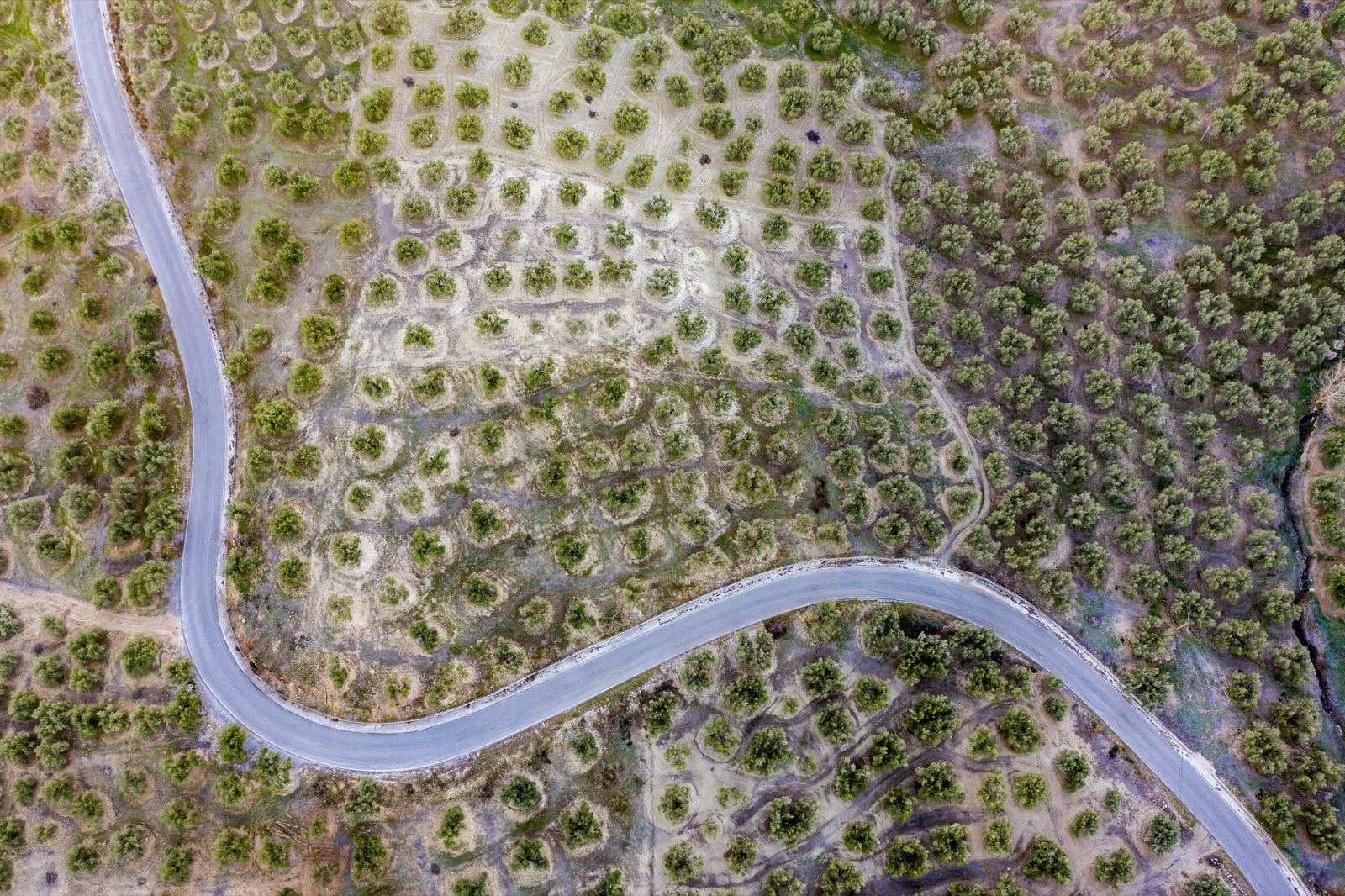
Organic olive oil went from a curiosity to a serious export category faster than almost any other organic food, and Spain led it. Andalusia — already the biggest olive region on earth — converted enormous areas, and organic Spanish oil now travels routinely to France, Italy, Germany, the United States and beyond. Sales have kept climbing through good harvests and bad. It is worth understanding why, because the reasons are more structural than moral.
Why olives are an unusually easy organic crop
A traditional olive grove is already close to organic before anyone applies for a certificate. Many are rainfed, receiving no irrigation at all. The trees are enormous, deep-rooted, long-lived and not especially demanding. There is no annual replanting, no heavy fungicide programme of the kind vines or fruit trees need, and in dry regions the pest pressure is genuinely low. A great many groves in North Africa, southern Spain, Greece and the Levant have effectively been farmed with minimal inputs for generations, not out of principle but out of economics.
That makes conversion cheap. Under European rules a perennial crop must be managed organically for three years before its produce may be sold as organic, and for a grove already running on rainfall and a light hand, those three years cost very little. Compare that with converting an intensive vegetable operation and the difference is obvious.
There is one real exception, and it is the olive fruit fly. Where the fly is bad, conventional growers spray and organic growers rely on bait sprays permitted in organic systems, mass trapping, sanitation and early harvest. In a heavy fly year, that gap can cost an organic grower a serious part of the crop.
| What the label says | What it actually guarantees | What it does not guarantee |
|---|---|---|
| Organic | Farming inputs and methods, three-year conversion, audited traceability from grove to bottle | Flavour, freshness, grade, milling care, storage |
| Protected designation of origin | Geographic origin, permitted varieties, defined practices | That this particular lot is fresh or well made |
| Extra virgin | A grade: acidity, peroxide and ultraviolet limits plus a sensory panel with zero defects | That the oil still meets it by the time you drink it |
| First cold pressed | Essentially nothing — a legacy phrase from hydraulic presses | Modern mills use continuous centrifuges, not presses |
| Unfiltered | That sediment was left in, which some producers prefer | Better quality; sediment can shorten shelf life |
| Harvest date | When the fruit was actually picked — the single most useful line | Nothing else, but it is the line worth hunting for |
Certification as a passport, not a promise
The commercial reason organic exploded is unromantic: it is a passport. Northern European retailers, food-service buyers and export markets want an audited claim they can put in a specification sheet. Organic certification supplies exactly that — an inspected, documented, internationally recognised standard that a purchasing department can tick. For a Spanish or Tunisian cooperative trying to move up from anonymous bulk sales, that tick opens doors that adjectives never will.
What it does not do is describe the oil. The certificate follows the fruit through the mill and the tanks and the bottling line, verifying separation and traceability. It does not ask whether the fruit was milled within hours or after three days in a warm heap, whether the tanks were flushed with nitrogen, whether the oil sat under fluorescent light in a warehouse for eleven months. Those decisions determine whether the oil is any good, and none of them is organic or not organic.
The awkward comparison nobody makes
Put an organic extra virgin bottled from oil eighteen months old next to a conventional oil pressed six weeks ago, and the conventional bottle will taste better, contain more of the phenolic compounds that health claims are built on, and last longer in your cupboard. That is not an argument against organic farming, which has real environmental merits in soil life, biodiversity and water. It is an argument against treating one certificate as a proxy for everything you care about.
The right move is to stack your criteria rather than substitute them. Organic and a recent harvest date. Organic and a named mill. Organic and a dark bottle. If you can only have one, take the harvest date — it changes what is in your mouth tonight. See also the extra virgin that isn’t.
Buying organic oil intelligently
- Check the harvest date before the leaf logo. Freshness outranks certification for taste.
- Look for the certifying body code on the label; a green leaf without an operator code is decoration.
- Ask about the fruit fly year. Producers in a heavy fly region who stayed organic and still made clean oil have done something genuinely difficult.
- Do not pay twice for the same thing. Organic plus protected origin plus single estate is a lot of premium; decide which one you actually want.
- Dark glass or tin, cool shelf, closed cap. Certification cannot protect oil from your kitchen.
- Remember organic is about how it was grown, extra virgin is about what it is, and the date is about whether it still is.
Organic olive oil: common questions
Is organic olive oil better quality?
Not automatically. Organic certification covers farming inputs and traceability, not milling care, freshness or sensory grade. A fresh conventional extra virgin will usually taste better than an old organic one.
Why is so much organic olive oil Spanish?
Because Spain, and Andalusia in particular, has by far the largest olive area in the world, much of it rainfed and low-input, which makes organic conversion comparatively cheap and quick.
How long does organic conversion take?
Under European rules a perennial crop such as olives must be managed organically for three years before the harvest can be sold as organic.
Do organic growers use any pesticides?
They use only substances permitted in organic systems. For the olive fruit fly this typically means bait sprays based on permitted actives, plus mass trapping, orchard sanitation and earlier harvest.
Does organic mean the oil is extra virgin?
No. They are separate claims. Organic describes farming, extra virgin describes a grade defined by chemical limits and a sensory panel. A bottle can be one, both or neither.
I have watched buyers pay a hefty organic premium for oil that had been sitting in a warehouse for a year, while a superb conventional oil pressed the previous November sat next to it for less money. The organic certificate was entirely genuine. It simply was not answering the question they thought they were asking. If you want an oil that is good for you, buy young and bitter. If you want an oil that is good for the grove, buy organic. If you can afford it, buy an organic oil with a harvest date on the back — and if the label has no date at all, put it down, whatever else it claims.
Drawn from European Union organic production rules for perennial crops, Spanish and Andalusian organic sector reporting, and standard practice on olive fruit fly management in organic systems.