Mexican Olive Oil: Ensenada to Fairway
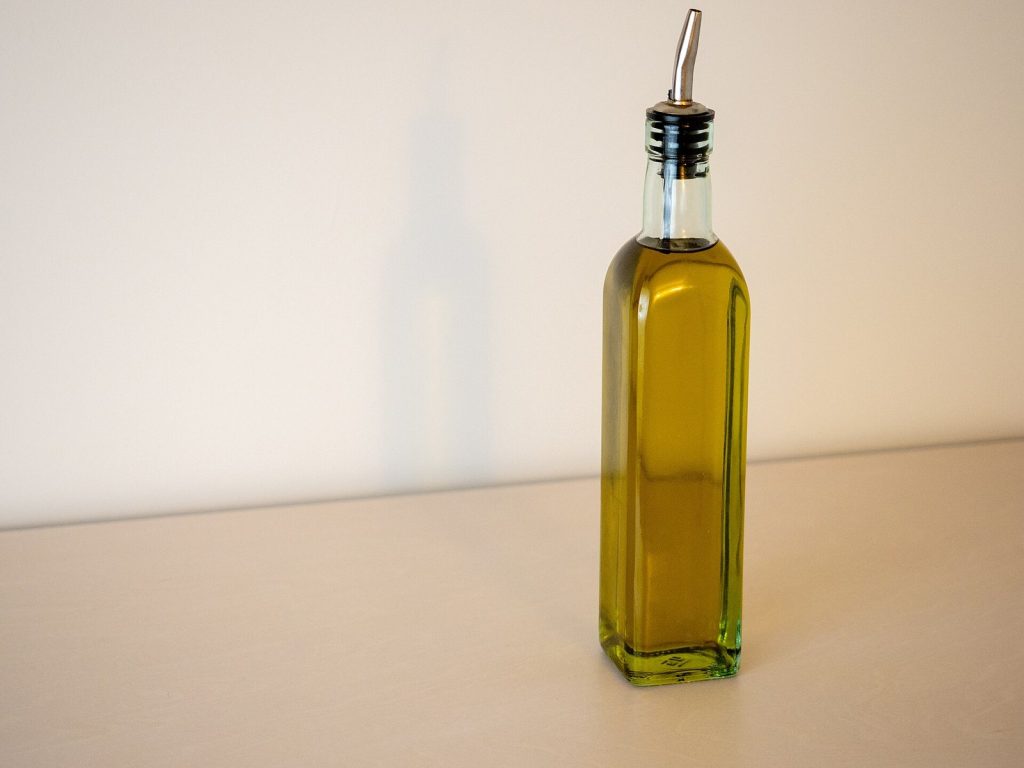
Mexico is not on most olive-oil maps, but the dry valleys around Ensenada in Baja California make a bold, sunny oil — largely from the Mission olive, the cultivar that Spanish missionaries first planted here and then carried north to found the entire American olive trade.
Ask where American olive oil began and the honest answer runs through Mexico. In the eighteenth century Spanish Franciscan missionaries brought the olive to the New World and planted it at their missions, starting in Baja California and moving north into what is now California. The cultivar they spread became known as the Mission olive, and it is still grown in the dry, sunny valleys of Baja around Ensenada — the same country that makes Mexico’s wine.
The olive that founded an industry
The Mission olive has a claim few cultivars can match: it is the historic mother variety of the American olive, and the only American-developed cultivar recognised in the international catalogue of olive varieties. From the first mission plantings in Baja it travelled mission to mission up the coast over roughly two centuries, and today’s Californian Mission trees trace back to it. When you taste a Baja Mission oil, you are tasting the living root of the whole New World olive story.
What Baja oil tastes like
This is not a shy, delicate oil. A good Baja Mission extra virgin tends to be sunny, fairly viscous and green, with pronounced ripe-olive flavour and a distinctive herbal, almost sage-like note that suits the sun-baked landscape it comes from. It is assertive enough to stand up on its own — lovely brushed on fish or shrimp before grilling, stirred into a robust dressing, or poured over grilled vegetables — rather than a whisper-quiet finishing oil. Mexican cooking uses little olive oil traditionally, so this is a modern, quality-minded product rather than a folk staple.
A small origin worth knowing
Baja will never rival Spain or Italy on volume, and that is not the point. What makes it worth seeking out is character and history in one bottle: a genuinely different, bold oil, from a historic cultivar, grown in a dramatic desert-meets-Pacific landscape. For anyone who likes tracing olive oil back to its roots, Mexico is a quietly remarkable stop — the place the American olive actually began.
Buying and using Baja Mission oil
- Expect a bold, green, herbal oil — use it where its character can lead, not hide.
- Brush it on fish or shrimp before grilling, or over grilled vegetables, where it shines.
- Value the history: the Mission olive is the mother of the American olive trade.
- Treat it as a characterful specialty, not an everyday neutral cooking oil.
Mexican olive oil: common questions
Does Mexico produce olive oil?
Yes, mainly in Baja California around Ensenada — the same dry valleys that make Mexican wine. It is a small, quality-focused output rather than a big industry.
What is the Mission olive?
The historic cultivar that Spanish missionaries planted in the New World, first in Baja California and then up into California. It is the mother variety of the American olive and the only American cultivar in the international catalogue.
What does Baja olive oil taste like?
Bold and sunny — green, fairly viscous, with pronounced ripe-olive flavour and a distinctive herbal, sage-like note. It is assertive rather than delicate.
How should I use Mexican olive oil?
Let its character lead: brush it on fish or shrimp before grilling, pour it over grilled vegetables, or use it in a robust dressing, rather than as a neutral cooking oil.
Is olive oil traditional in Mexican cooking?
Not really. Mexican cuisine traditionally uses little olive oil, so Baja’s oil is a modern, quality-minded product rather than a folk staple.
Baja is one of my favourite footnotes in the whole olive world. It will never trouble Spain on volume, but it holds the origin of the American olive: the Mission cultivar that monks planted here and carried north to seed California. The oil matches the story — bold, green, with that unmistakable sage-like lift, the taste of a sun-baked desert meeting the Pacific. Do not treat it as a quiet finishing oil. Let its character lead, on grilled fish or vegetables, and enjoy drinking a piece of living history.
Drawn from the history of the Mission olive and olive-oil production in Baja California.