Sonoma Wine Country Extra Virgin Olive Oil
Wine country did not take up olives by accident. The same hillsides, the same Mediterranean climate, the same tasting-room economics. Here is what Sonoma extra virgin actually is, and how to buy it without paying for the view.
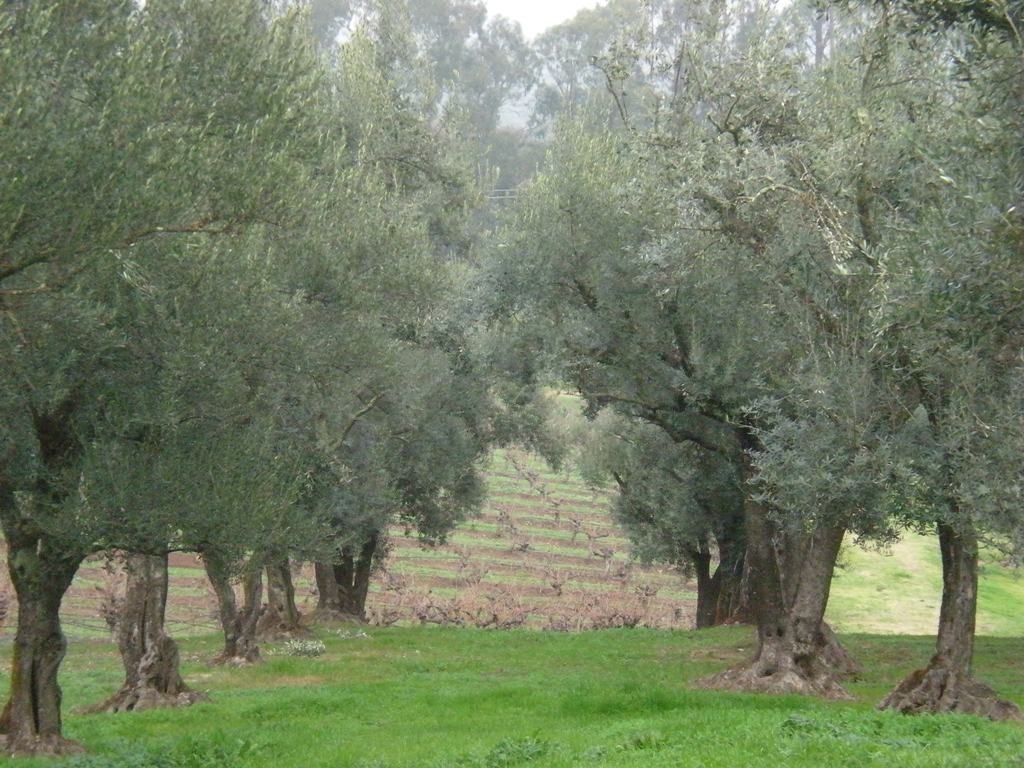
Drive north out of San Francisco in late October and you will pass olive trees standing between the vines, or in tidy blocks at the edge of a vineyard, or lining a driveway where somebody planted them for the look and then discovered they had a crop on their hands. Sonoma and Napa did not invent Californian olive oil — the Spanish missions did that, two centuries earlier — but wine country is where modern American extra virgin found its manners, its price point and, if we are honest, a certain amount of its swagger.
Why grapes and olives ended up as neighbours
The reason is boring and geographical: the olive and the wine grape want almost exactly the same thing. A dry warm summer, a mild wet winter with enough cold to set flower buds, free-draining slopes, and a farmer who is not frightened of a crop that pays once a year. Northern California’s coastal valleys give all of that. The Mediterranean gave the two plants to each other three thousand years ago and they have travelled together ever since — to Andalusia, to Provence, to Chile, to South Australia, and finally up Highway 29.
The commercial reason is less romantic. By the 1990s a Napa or Sonoma estate already had the expensive part of the business built: a tasting room, a mailing list, a brand people would drive an hour to visit. Olive oil slid straight into that machine. It sells at the counter, it does not need a licence, it ships in winter when the wine trade is quiet, and it gives the visitor something to buy for their sister. A good many wine-country oils began life as a gift-shop line and turned into a serious one.
What a Sonoma oil actually tastes like
Mostly, it tastes Tuscan. The nurseries that supplied the boom sold Tuscan wood — Frantoio, Leccino, Pendolino, Maurino — because Tuscany was the reference every American buyer already had in their head. So a classic Sonoma blend runs green and herbaceous: cut grass, artichoke, green tomato leaf, a clean bitter middle and a peppery catch at the back of the throat. Picked early, it can be ferocious. Picked late for yield, it slumps into something soft and buttery that photographs well and says very little.
The other thread is Mission, California’s own heirloom, descended from the trees the Franciscans planted. It ripens late, gives a rounder, milder, slightly nutty oil, and it is the variety most likely to be mishandled, because tradition is a poor substitute for a cold press. Some Spanish cultivars turn up too — Arbequina above all — and they make the softest, most approachable oil of the three families, which is exactly why the hedgerow growers inland planted so much of it.
The seal, and what it is worth
California is one of the few places outside Europe that took the fraud problem seriously and built a domestic guarantee. The California Olive Oil Council runs a voluntary certification: oil must pass chemical analysis and a trained sensory panel, and the acidity limit is set at 0.5 per cent free fatty acid rather than the 0.8 per cent the international grade allows. The state also has its own grade and labelling standard for larger producers. It is a real check, and worth more than any medal.
What the seal cannot tell you is when the oil was pressed. A certified oil bottled fourteen months ago and stood in a bright shop window is a tired oil, seal or no seal. Chemistry is measured once, at the start; freshness is lost continuously, in your hands. That is why the single most useful thing on a Californian label is the harvest year, and why the best producers now print it big.
| Wine-country boutique | Inland hedgerow | Imported supermarket blend | |
|---|---|---|---|
| Typical scale | A few hundred to a few thousand trees | Hundreds of hectares, mechanically harvested | Continental blending operations |
| Varieties | Tuscan blends, Mission, some Spanish | Arbequina, Arbosana, Koroneiki | Whatever the year’s market offers |
| Style | Green, bitter, peppery; distinct year to year | Soft, mild, consistent, low bitterness | Neutral; often a year or more old |
| Freshness signal | Harvest date on the front label | Harvest or best-before, usually honest | Best-before only — tells you little |
| What you pay for | The oil, the estate, and the view | The oil | The bottle and the shelf space |
Buying wine-country oil well
- Find the harvest date before the price. No date, no sale. A northern-hemisphere oil is at its best within about a year of pressing, and the clock starts at the mill, not at the till.
- Taste before you commit. The tasting room is the one genuine advantage of buying here. Use it, and use it sceptically — look for green fruit and a clean peppery finish, not for oiliness or a vague sweetness.
- Bitterness is not a fault. It is the polyphenols talking. If an oil is entirely smooth and inoffensive it was either picked very ripe or handled slowly.
- Dark glass or tin, always. Clear decorative bottles are for gifts, not for cooking.
- Ask where it was milled. Plenty of small labels have their fruit pressed at a shared facility, which is fine and normal — but a producer who will not answer is telling you something.
- Buy the size you will finish. A three-litre tin you use twice a month is a false economy; see what an olive really costs before you decide the small bottle is a rip-off.
Wine-country olive oil: common questions
Is Sonoma olive oil actually good?
The best of it is very good indeed — fresh, green, properly made and sold within months of pressing. The weakest of it is ordinary oil in a handsome bottle at a tourist price. The gap between those two is wider here than almost anywhere, which is why the harvest date and a taste matter more than the label.
Why is Californian olive oil so expensive?
Small blocks, hand or small-machine harvesting, high land values and a short milling season. Wine-country land in particular is priced for grapes, and olives have to earn their place on it. Direct-to-visitor selling recovers that cost, but it also means you are partly paying for the tasting room.
What varieties grow in Sonoma and Napa?
Chiefly Tuscan cultivars — Frantoio, Leccino, Pendolino, Maurino — alongside the heirloom Mission that came with the Spanish missions, and increasing amounts of Spanish Arbequina. Most bottles are blends of several.
Does the COOC seal mean the oil is fresh?
No. It certifies that a batch met chemical and sensory standards for extra virgin at the time of testing, with a stricter acidity limit than the international grade. It says nothing about how long the bottle has since sat on a shelf. Read the harvest date as well.
When is olive harvest in California?
Broadly October to December, earlier for green, peppery, high-polyphenol styles and later for softer, higher-yielding ones. New-season oil generally reaches shops from late November onwards.
The wine-country premium is real, and about half of it is honest. You are paying for small volumes, hand work and expensive dirt. The other half is the view. I have tasted oils in a Sonoma tasting room that were milled in the same valley as a bottle costing a third as much on a supermarket shelf two hundred miles south — a fact nobody at the counter is in a hurry to mention. Judge what is in the glass. If the oil is green, bitter and peppery and the harvest date is recent, pay up cheerfully. If it is soft, sweet and undated, you are buying a souvenir.
Drawn from Californian variety and orchard practice, the California Olive Oil Council’s certification standards and the state’s grade and labelling rules.