California Olive oil: for love or money
California’s olive oil business began as a winery sideline and turned into the most standards-obsessed young industry in the olive world. Its real advantage is not terroir — it is a very short supply chain.
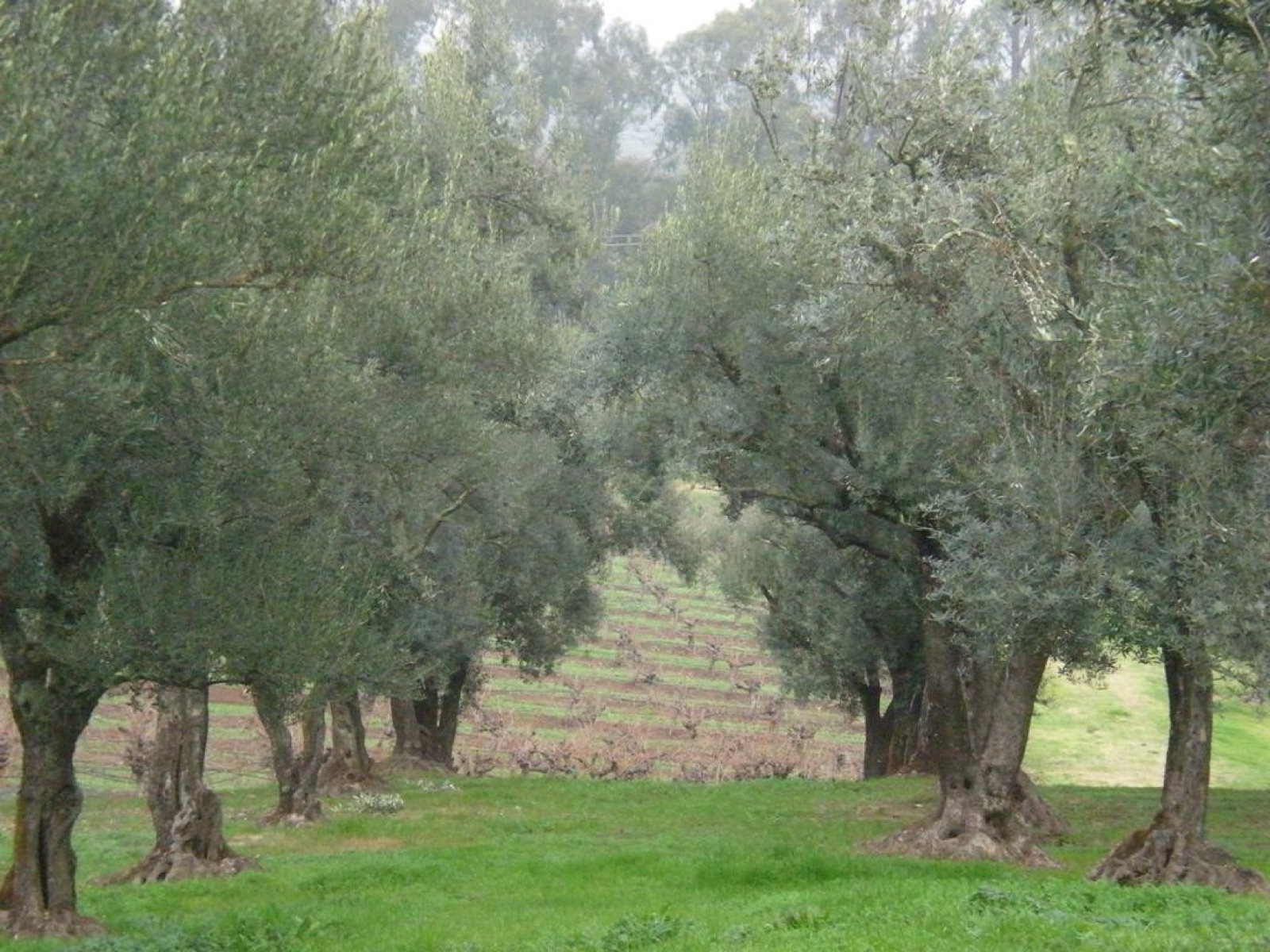
Olive trees arrived in California with the Spanish missions in the late eighteenth century, and for most of the two centuries that followed the state’s olive story was about canning, not oil. The plump, mild, ripe black olive in a tin — an American invention with a Californian accent — was the industry. Oil was a by-product, a curiosity, or a farmhouse habit. Then, in the 1990s, something odd happened: the wine business noticed olives.
Why wineries planted olives
The logic was never purely agricultural. A winery already had the hardest parts of the business solved: a tasting room, a mailing list, customers who happily pay a premium for a small bottle with a story, and a cultural habit of talking about place, vintage and variety. Olive oil slotted into that model perfectly. It also flattered the Tuscan fantasy that Napa and Sonoma were already selling.
Some of it was vanity and some of it was serious, and the serious ones did something genuinely useful: they applied wine thinking to oil. Vintage dating, single-variety bottlings, sensory vocabulary, cellar-door tasting, cold storage, a horror of oxidation. Those habits were unremarkable in wine and quietly revolutionary in olive oil, an industry that had spent decades selling anonymous blends of unknown age.
Then the hedgerow changed everything
The romantic phase was overtaken by an industrial one. Californian growers adopted super-high-density planting — olives grown as a narrow hedge, well over a thousand trees to the hectare, harvested by a machine that straddles the row. It cut the harvest cost dramatically, brought the first crop forward to three or four years, and made large-scale Californian oil competitive with imports on price.
The trade-off is the one every hedgerow region makes. Straddle harvesters need small, compact, easily detached fruit, so the plantings concentrate on a short list of cultivars, principally Arbequina, Arbosana and Koroneiki, none of them Californian in origin. The state that talks most about terroir grows most of its oil from Spanish and Greek varieties chosen by a machine. That is not a criticism — it is simply what modern olive economics looks like, and California was honest and early about it.
| Era | What was grown | How it was sold | What it left behind |
|---|---|---|---|
| Mission period | Mission olives around the missions and ranchos | Local oil and cured fruit | The Mission variety, still grown today |
| Canning century | Manzanillo, Sevillano, Mission for the tin | Ripe black canned olives, national brands | A table-olive industry and a taste for mild fruit |
| Winery wave, 1990s | Tuscan and Spanish varieties on estate blocks | Tasting rooms, small bottles, vintage dating | Wine habits imported into oil |
| Hedgerow era | Arbequina, Arbosana, Koroneiki at high density | Supermarket and food-service volume | Price competitiveness and machine-led variety choice |
| Standards phase | All of the above | Certification seals and state grade rules | A market where harvest dates are normal |
The standards fight, and what it won
California’s most consequential contribution was not agronomic. In 2010 researchers at the University of California, Davis published testing that found a large majority of the imported supermarket samples labelled extra virgin failed international sensory standards, while most Californian samples passed. The report was fiercely contested by importers, and its sampling and methods were argued over for years. But it changed the conversation permanently: it put grade, freshness and sensory testing into the mainstream press, and it strengthened the case for the state’s own grade standards and for the Californian certification seal.
The lasting result is a market where a harvest date on the back label is normal rather than exotic. That, not sunshine, is California’s real advantage. An oil pressed in Sacramento Valley in November and sold in a San Francisco shop in February has travelled a few hundred kilometres and spent a couple of months in the supply chain. An imported bottle beside it may have been milled a year earlier and shipped across an ocean. Freshness beats prestige more often than the romantics admit — see the extra virgin that isn’t.
Buying Californian oil well
- Look for the harvest date first. Californian producers print it more often than most — use that.
- Try the local varieties. Mission and Sevillano oils are distinctively Californian; the hedgerow Arbequinas are pleasant but international in style.
- Certification seals help as a floor, not a ceiling: they mean the oil was tested, not that it is thrilling.
- Buy in the northern winter and spring, when the autumn harvest is at its freshest.
- Expect a price premium — Californian labour and water cost what they cost, and the oil is priced accordingly.
- Do not assume a rustic Italian-sounding brand name means imported oil, or that a Californian one means local fruit. Read the origin line.
California olive oil: common questions
When did olive growing start in California?
With the Spanish missions in the late 1700s. The Mission variety descends from those plantings and is still grown, but the modern oil industry only took shape from the 1990s onward.
Does California produce all United States olive oil?
Effectively yes. Small quantities come from other states, including Texas, Georgia and Oregon, but California accounts for the overwhelming majority of domestic production.
What was the 2010 UC Davis report?
Testing published by the University of California, Davis olive centre which found that a large majority of imported supermarket samples labelled extra virgin failed international sensory standards. It was contested by importers but shifted public and regulatory attention onto grade and freshness.
Why do Californian oils use Spanish and Greek varieties?
Because super-high-density hedgerow planting requires small, compact trees with easily detached fruit, and the cultivars best suited to that system are Arbequina, Arbosana and Koroneiki.
Is Californian olive oil better than imported?
Not by origin, but often by freshness. A short domestic supply chain and a widespread habit of printing harvest dates give the buyer better information and usually younger oil.
Californian producers are sometimes teased for the wine-country theatre — the estate names, the vintage talk, the tasting flights. Let them have it. That theatre is why the state normalised two things the old world spent decades avoiding: telling you when the oil was made, and letting a panel taste it. If every Mediterranean bottler printed a harvest date as a matter of course, half the arguments in this industry would evaporate overnight. California did not invent good oil. It just made transparency fashionable, and that turned out to matter more.
Drawn from Californian olive industry accounts, published University of California extension and olive centre research including the 2010 supermarket testing report, and standard descriptions of super-high-density orchard systems.