Rain Knocks Catalonia’s Olive Harvest to the Ground
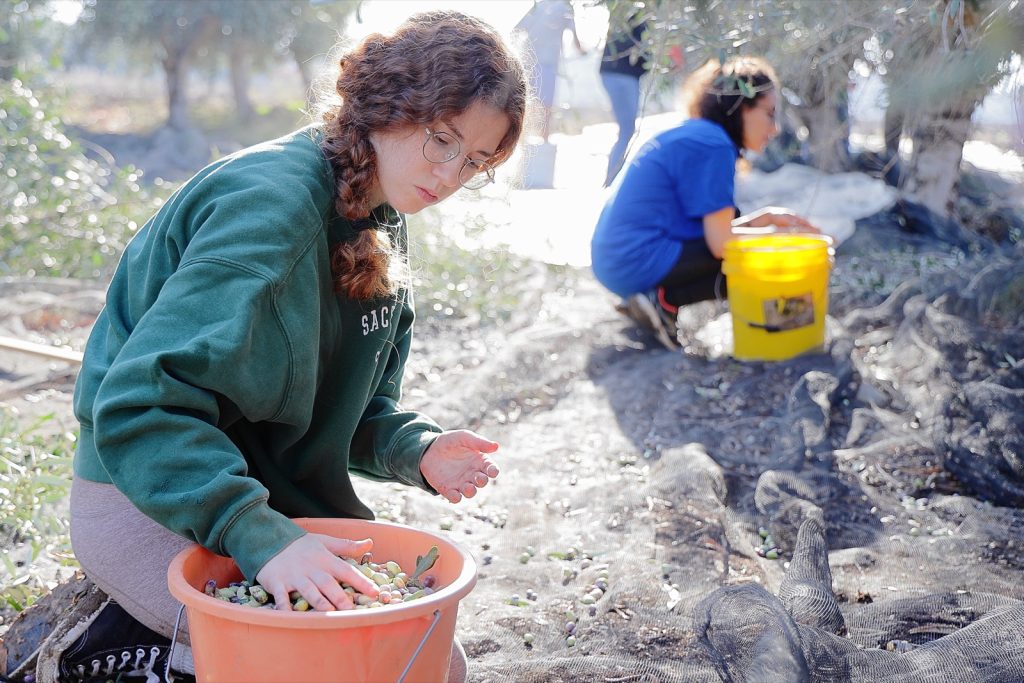
Catalonia’s olive growers have lost up to 70 percent of this year’s production and more than 27 million euros, first to drought and then to a week of heavy rain that knocked the fruit off the trees. The farmers’ union Unió de Pagesos says that in many groves it is no longer worth harvesting what is left. Here is what happened, what the growers are asking for, and why the next argument will be about water.
Two blows in one season
The drought came first and set the size of the crop. Olives that form in a dry spring and swell in a dry summer stay small, and the oil in them is limited before anyone picks a single tree. Then came last week’s downpours, which lashed plantations across the region and brought the fruit down.
Once olives are on the ground the clock runs fast. Fruit lying on wet soil bruises, picks up mould and starts to ferment, and the oil made from it carries the defects that follow. Sending pickers in to gather it costs the same as picking a good crop and yields oil worth far less, which is why the union’s message is so blunt: for many producers the arithmetic no longer works.
The rain is not all bad news. Water in the soil now sets up next year’s flowering, and a region that has been dry for months needed it. That is small comfort to a grower whose income for this season is lying in the mud.
What growers are asking for
Unió de Pagesos has called on the Catalan agriculture department for two things. The first is direct aid, quickly, for the worst affected producers, so that groves do not simply get abandoned. The second is longer term and more interesting: help to put irrigation within economic reach of ordinary growers.
Catalonia’s olive country is largely rain-fed, old and on poor ground, and a tree that depends entirely on the sky is a tree whose yield swings wildly from year to year. Irrigation smooths that, at a cost most small growers cannot carry alone.
- Direct aid keeps growers on the land this winter.
- Irrigation changes the risk profile of the next twenty harvests.
- Abandoned groves do not come back quickly. Trees left unpruned take years to return to yield.
The other Spain, in the same week
While the union was counting losses, the Spanish press was reporting the opposite model. Innoliva, which grows olives in super-intensive hedgerows in Spain and Portugal, says its drip irrigation saves about 45 percent of the water used by other systems, allows work through the year and creates steady employment. Traditional groves run at about 75 to 125 trees a hectare and intensive plantings up to 300, while the hedgerow system goes up to around 2,000 plants a hectare.
The company also builds its mills next to its groves, aiming to have olives pressed within six hours of picking, and opened a plant last month at El Carapetal in the Alentejo with capacity for 50,000 tons of olives a season. Two systems, one week, and a very clear picture of which one survives a year like this.
For the season as it looked in October, see our note on the Spanish harvest getting under way. Weather has made and broken crops before: drought is not always bad news, and Turkey has had its own version of this story.
Fruit picked up off the ground still makes oil, and that oil still gets sold. It will not pass as extra virgin with a trained panel, but it enters the market as lampante, goes to the refinery, and comes back out as the mild, odourless oil sold under names like pure and light. A bad harvest rarely disappears. It changes grade.
Sources
- Olive Oil Times: After Drought, Downpours Wash Away Catalonian Harvest, 17 November 2011 (archived copy)
- La Razón: Producen aceite virgen con un 45% menos de agua, November 2011 (archived copy)
- Algarve Daily News: Olive oil plant opens in the Alentejo (archived copy)