Olive Grove Soil Loss: 250 Years of Erosion at Montefrío
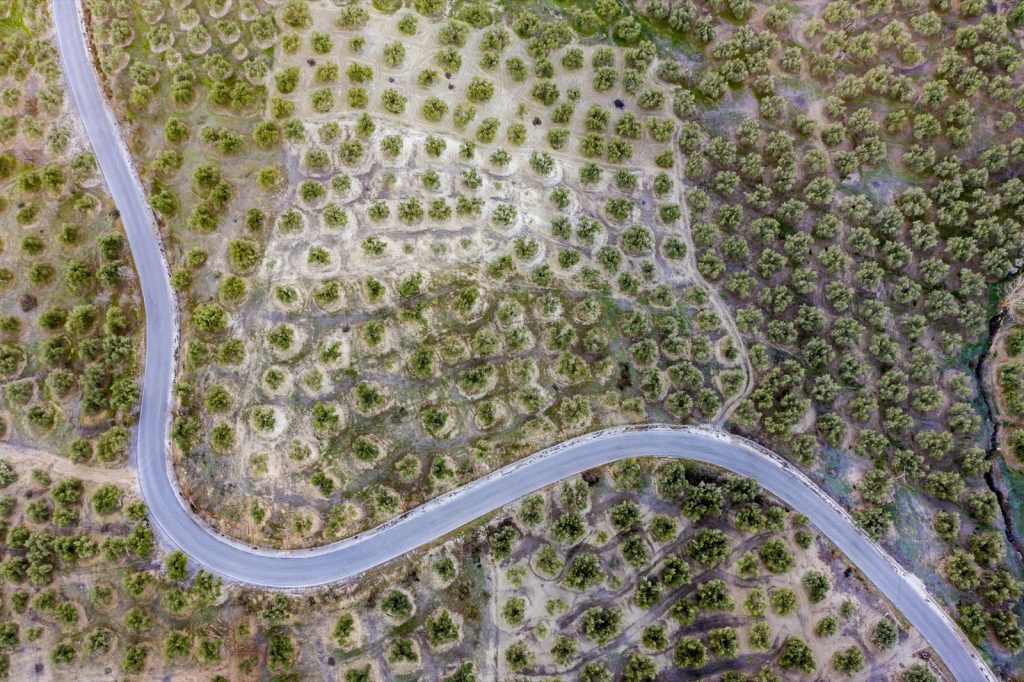
A study of hillside olive groves at Montefrío, in Granada province, estimates that they have lost between 29 and 40 percent of their fertile soil to erosion since they were planted some 250 years ago, and that even the traditional farming of the eighteenth and nineteenth centuries was losing soil faster than nature could replace it. The worst period by far came after 1980. Here is what the researchers found, why it upsets a comfortable idea about traditional farming, and what it means for olive growing on slopes.
What the study found
The work was done by the Institute for Sustainable Agriculture (IAS-CSIC) in Córdoba and the Pablo de Olavide University in Seville, and published in the journal Agriculture, Ecosystems and Environment. Olive Oil Times, carrying a report by the Spanish magazine Mercacei, described it this week. The team, coordinated by José Alfonso Gómez Calero and Tom Vanwalleghem, now at the University of Córdoba, worked with environmental historians led by Manuel González de Molina.
They combined three kinds of evidence: field measurements of how much soil had already been lost, computer models of erosion, and historical records of how the groves were farmed. That allowed them to split the period from 1752 to 2009 into eight phases according to how the soil was worked, and to estimate the loss in each.
| Finding | As reported |
|---|---|
| Average soil loss over 250 years | 29 to 47 tons per hectare per year |
| Share of fertile soil lost | 29 to 40 percent |
| Loss under animal tillage, 18th and 19th centuries | 13 to 31 tons per hectare per year |
| Worst period | 1980 to 2000 |
| Least erosion | 1935 to 1970 |
Why it matters
The finding that will get people talking is the historical one. It is often assumed that traditional olive growing, with mules and plows, was environmentally sustainable and that the trouble began with tractors and herbicides. According to the researchers, farmers in the eighteenth and nineteenth centuries were already losing soil at 13 to 31 tons per hectare a year, faster than soil forms, on these slopes. Mechanization then made it much worse. The heaviest losses came between 1980 and 2000, with bare soil between the rows, no cover crops, herbicide use and ever more intensive management.
The quietest period, between 1935 and 1970, had a surprising cause: the groves were partly used to grow cereals, driven by demand for grain in those years, which kept more of the ground covered. And through the whole period, the groves’ productivity kept rising thanks to better farming, which the researchers suggest is exactly why nobody noticed the soil washing away.
- Bare soil on a slope is the single biggest risk; ground cover between rows slows runoff.
- Rising yields can hide falling long-term fertility for decades.
- Traditional methods are not automatically sustainable; the researchers call for better systems for mountain groves.
Growers have been writing down advice on soils and olive husbandry since Roman times, as our piece on Columella and the Roman olive manuals shows, and Andalusian researchers have been looking at more sustainable production for years, as in the University of Córdoba’s European project. For a picture of the hill country involved, see our piece on Andalusia’s olive road.
A clean, weed-free grove used to be the mark of a good farmer, and many growers still see grass between the rows as laziness. On a slope, that tidy bare earth is exactly what washes downhill in the first autumn storm. Growers who leave a strip of cover, mow it rather than plow it, and accept a slightly untidy look are usually the ones who will still have topsoil to farm.
Sources
- Olive Oil Times (Mercacei), “Innovative Study Analyzes Soil Loss in Andalusian Olive Groves” (February 21, 2012)
- Vanwalleghem T. et al., “Quantifying the effect of historical soil management on soil erosion rates in Mediterranean olive orchards”, Agriculture, Ecosystems and Environment 142 (2011) 341 to 351
- Óleo Revista, “La pérdida de suelo en el olivar andaluz ya era insostenible hace más de 200 años” (February 10, 2012)