Spain Drought Puts the Next Olive Harvest at Risk
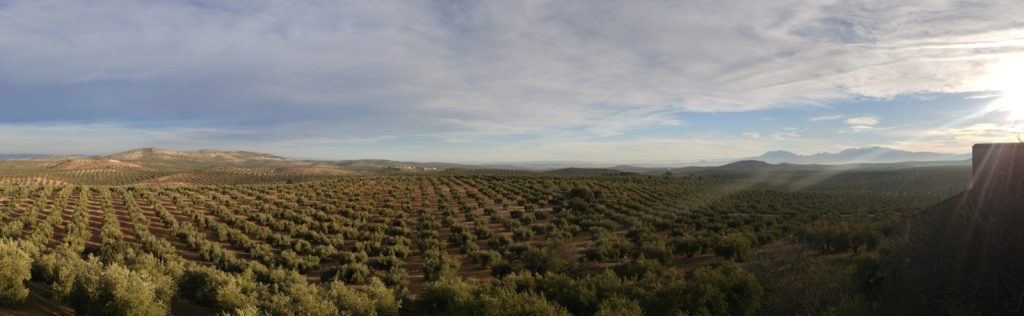
Spain has just come through its driest winter in some 70 years, and the farm union ASAJA warned yesterday that the country’s next olive harvest could lose more than half its crop. This season’s oil is already in the tanks, and there is plenty of it, so the drought is a problem for the 2012/13 crop rather than for the bottle in your kitchen. Here is what the numbers say and what it could mean for olive oil later this year.
What happened
The winter numbers are stark. Spain’s weather service told the AFP news agency at the start of March that the country received about 55 liters of rain per square meter over December, January and February, against a normal figure of around 200. Even the winter of 1980 to 1981, the previous benchmark for a dry season, had about 30 liters more. Agriculture minister Miguel Arias Cañete described the drought as very hard and, in some areas, spectacularly intense, and the official drought report of February 22 put the country’s reservoirs at only about two-thirds full.
Early in the month an ASAJA spokesman told AFP that groves in Granada could lose 35 percent of their olive production. Yesterday, March 21, the union went further, saying the olive sector could lose more than half of next season’s crop and that the hit in Jaén province alone could exceed €400 million. The union asked for urgent government help. In Brussels, Agriculture Commissioner Dacian Cioloş has said he is open to paying EU farm aid to Spain and Portugal early because of the drought.
Rain and snow did fall across parts of the peninsula yesterday. The union’s view, reported by Olive Oil Times, is that the damage to next season is already done.
| Measure | Figure | Source |
|---|---|---|
| Winter rainfall, December to February | About 55 liters per square meter (normal: about 200) | Spanish weather service, via AFP |
| Projected olive loss in Granada | About 35 percent | ASAJA, via AFP |
| Possible loss of next national olive crop | More than half | ASAJA |
| Possible loss in Jaén province | More than €400 million | ASAJA |
| Spanish olive oil output, 2011/12 | About 1.59 million tons, up 14 percent | Deoleo estimate, via Europa Press |
Why a dry winter hurts next year’s olives
An olive tree is famously tough, and a dry winter will not kill a mature grove. What it does is cut the crop. The tree sets its flowers in spring on the reserves and soil moisture built up over winter. A tree short of water flowers less, sets less fruit, and the olives it does carry tend to be smaller and give less oil at the mill. Much of Andalusia’s olive land depends on rain alone, so there is no irrigation to make up the difference.
The timing is the cruel part. Spain is finishing another bumper harvest. Drawing on a report by Deoleo, Europa Press puts this season’s output at about 1.59 million tons, and the country started the season with 473,700 tons already in stock. That glut is why farm-gate prices are so low that Brussels has been paying to keep oil off the market. Growers have been selling below their costs for months. Now they face the prospect of a short crop, which is the one thing that usually lifts prices, at a time when they will have less oil to sell.
Spain is not alone in this. Turkey went through a similar squeeze a few years ago, which we covered in Turkey: Drought hits olive production. For how a normal Spanish season runs, see Olive harvest season in Spain.
What it means for buyers
- Nothing changes on the shelf yet. Current stocks are large, so any price effect would come after the next harvest, which starts in the autumn.
- Do not stockpile. Olive oil does not improve with age. Oil bought now in bulk will be past its best before any price rise arrives.
- Keep what you have well. A cool, dark cupboard and a closed bottle keep oil fresh far longer; How to Store Olive Oil (So It Doesn’t Go Stale) has the details.
A crop forecast made in March is a guess, and a forecast from a farm union is also a request for help. That does not make it wrong, but the people who trade oil for a living wait for the flowering in April and May and the fruit set in early summer before they believe any number. If the spring turns wet, part of the loss can still be clawed back. If it stays dry through flowering, the warning will look conservative.
Sources
- Phys.org (AFP): Spain wilts in driest winter for 70 years
- NBC News: Troubled Spain now desperate for rain
- Olive Oil Times: Drought Dooms Run of Bumper Harvests in Spain