A Hot Summer Slows the Olive Fly but Shrivels the Olives
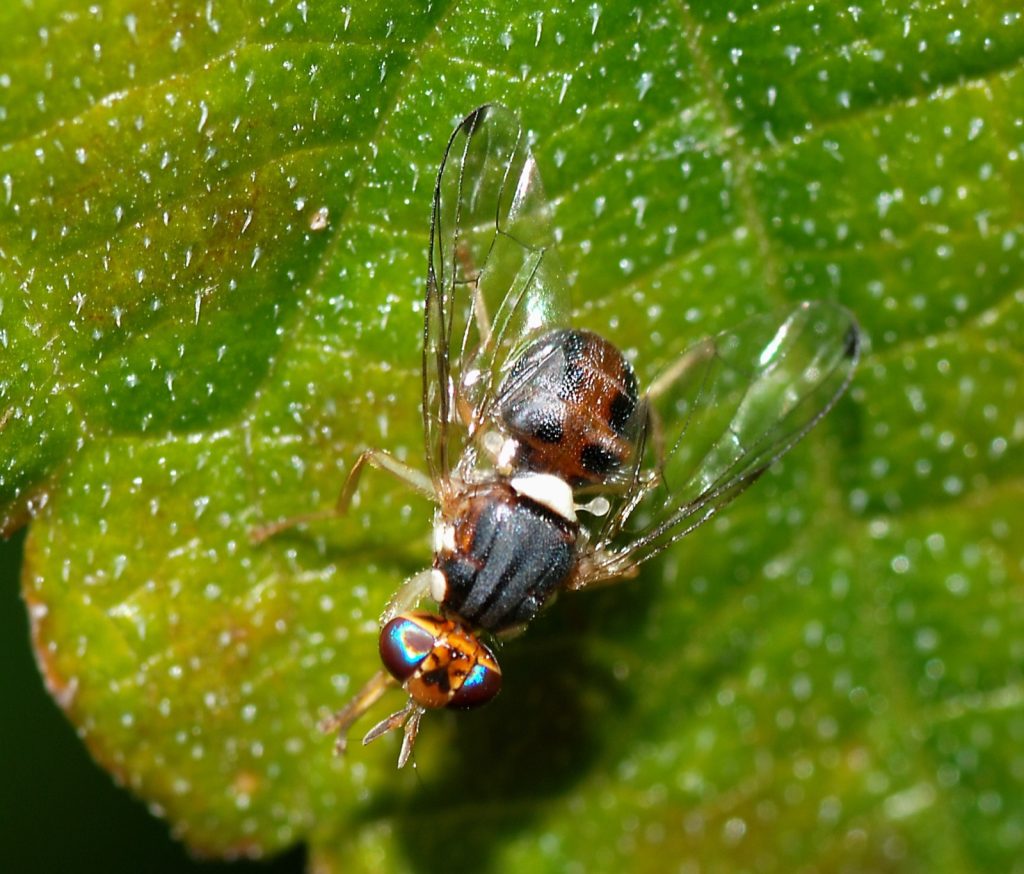
This summer’s run of heat across southern Europe has a double edge for olive growers: the olive fruit fly, the worst pest of the crop, largely shuts down in the heat, but the same hot, dry weather is shriveling the fruit and cutting the oil it will give. With the harvest a few weeks away, growers are watching the sky for autumn rain. Here is how heat affects the fly and the fruit, and what it means for this year’s oil.
What is happening
Olive Oil Times, reporting from Athens this week, notes that southern Europe has had consecutive spells of very hot weather this summer, and that across the Atlantic the US government’s weather agency, NOAA, has called July the hottest month in the contiguous United States since its records began in 1895. For olive groves, heat matters in two ways at once.
| Hot, dry summer | Effect |
|---|---|
| On the olive fly | Egg-laying slows or stops; trap counts fall |
| On spraying | Less need for summer treatments |
| On the fruit | Olives stay small and dehydrated, with less oil |
| On the harvest | Depends on early autumn rain, or on irrigation where it exists |
The fly takes a summer holiday
The olive fruit fly, Bactrocera oleae, lays its eggs under the skin of the olive, and the larva then eats its way through the flesh. Damaged fruit drops, rots or goes to the mill carrying defects into the oil. According to the figures cited by Olive Oil Times, the fly is most active below about 30°C (86°F), egg-laying is suspended in hotter weather, and above about 35°C (95°F) the insect becomes inactive.
Growers in California know the pattern too. The fly was first found there, on landscape trees in Los Angeles County, in November 1998, and the University of California’s pest management guidelines note that the number of flies in traps “likely will decline during the course of a hot summer and increase as the weather cools in late summer.” Our earlier reports followed its spread (Fruit Fly Threatens California State’s Olives).
The fruit pays for it
The catch is that the crop suffers along with the fly. An olive tree is famously tough and will survive heat and drought that would finish many other crops, but it protects itself first and its fruit second. In a long, dry heat the olives dehydrate and cannot build up oil, and much of the Mediterranean’s olive land is not irrigated, either for lack of water or because growers prefer dry-farmed trees. The rescue, if it comes, is rain in early autumn, which lets the fruit swell before picking. Spain went into the summer already short of water after the driest winter in decades (Spain Drought Puts the Next Olive Harvest at Risk).
- A normal summer means a fuller crop and a season of fly control.
- A hot summer means fewer sprays but, predictably, less oil.
- Either way, the fly returns as the weather cools, so late-picked fruit is still at risk.
Fly damage is one of the commonest reasons a well-made oil ends up with a musty or “grubby” edge, and it is rarely mentioned on any label. A hot year can quietly give cleaner fruit and better oil from the same groves, just less of it. When the fly comes back in a mild, damp autumn, the growers who pick early usually make the better oil.
Sources
- Olive Oil Times: Warm Weather’s Ambiguous Effect on Olives
- UC IPM: Olive fruit fly, Pest Management Guidelines for Olive