Olive Pollen Tops 2,000 Grains in Jaén as the Groves Flower
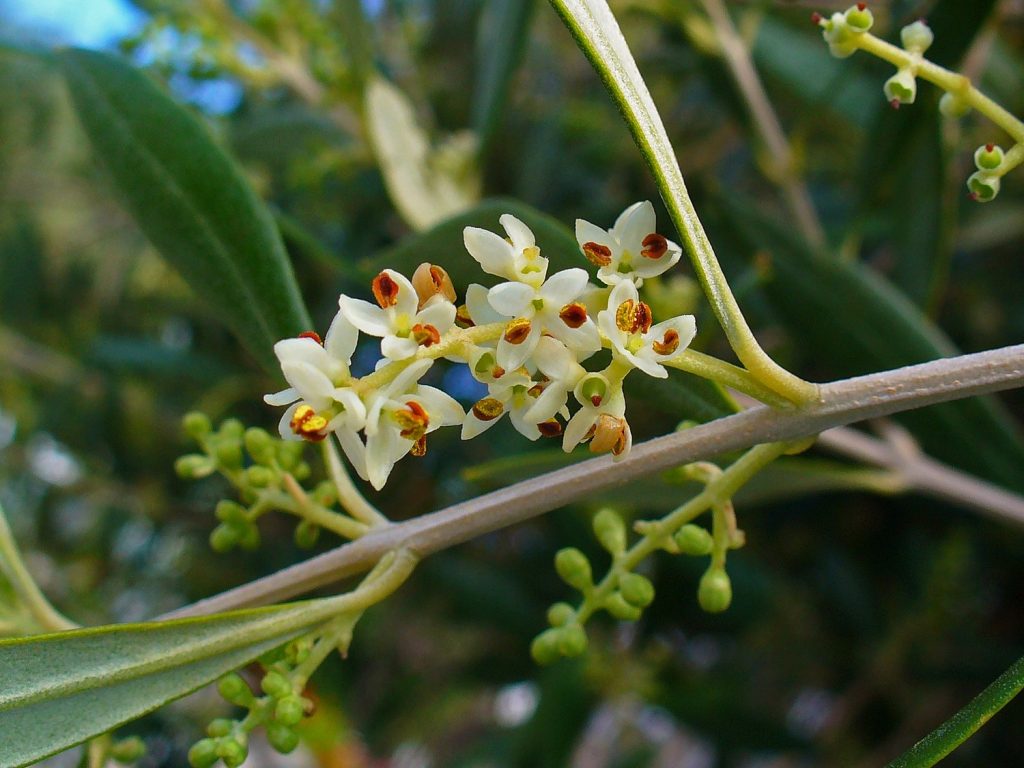
Olive pollen counts in Jaén have passed 2,000 grains per cubic meter of air this week as the province’s tens of millions of olive trees flower, and allergy sufferers are feeling it. Hot, dry weather is expected to keep levels high into next week. Here is what is happening, why olive country produces so much pollen, and what the local health services do about it.
What is happening
Jaén, the heart of Spanish olive oil production, has more than 65 million olive trees, and in late spring they all flower within a few weeks of each other. Olive Oil Times reported on Sunday, June 10, that extreme counts of more than 2,000 grains of pollen per cubic meter had been recorded, with high temperatures and low rainfall pushing levels up and more of the same expected in the coming days.
According to the hospital complex in Jaén, hay fever affects around 15 percent of the local population and about 30 percent of young people, and it is the most common cause there of rhinoconjunctivitis and bronchial asthma. Olive pollen is one of the leading causes of respiratory allergy around the Mediterranean.
Why olive country is different
Olive trees are wind pollinated, so they release pollen in huge quantities to reach their neighbors, and in a province planted almost wall to wall with one crop the air fills up. The usual rules of thumb do not fit well. A study by the allergy unit of the Ciudad de Jaén hospital, published in 1999, noted that for grass pollen the critical level for symptoms is often put at about 50 grains per cubic meter. Following patients in Jaén through two flowering seasons, the doctors found that most of those allergic only to olive pollen needed much higher levels, around 400 grains, before they had even mild rhinitis. Their explanation was simply that local people live with exceptionally high olive pollen loads.
| Figure | Value | Source |
|---|---|---|
| Olive pollen this week | More than 2,000 grains per cubic meter | Local counts, via Olive Oil Times |
| Level for mild symptoms in Jaén patients | About 400 grains per cubic meter | Jaén hospital study, 1999 |
| Hay fever, whole population / young people | About 15% / about 30% | Jaén hospital complex |
| Children in coastal classes | 10 in 2003, up to 80 in bad years | Program figures, via Olive Oil Times |
Sending children to the sea
Because children with pollen allergies were missing a lot of school in April, May and early June, the authorities approved a free program in 2003 that moves them to classes in residences on the Andalusian coast, away from the groves, during the worst of the season. Ten children went to Motril in the first year. In years with very high counts, up to 80 have taken part.
- The season is short but intense. The olive pollen season in Jaén runs through April, May and early June, depending on the weather.
- The oil is a different matter. Pollen allergy is to proteins in the pollen. It is not a reason on its own to avoid olive oil, and true allergy to the fruit or oil is much rarer.
- Olives outside the Mediterranean too. Wherever olives are planted densely or used as street trees, their pollen can become a local problem.
Growers watch the same pollen counts for a different reason. A long, heavy flowering in dry heat is good for fruit set only if the flowers are not scorched, and the talk in the mills in June is always about how the bloom went. The people sneezing in Jaén and the people pricing next winter’s oil are reading the same weather.
This is general information, not medical advice. If you have hay fever or asthma symptoms that are getting worse, or wheezing and breathlessness, see a doctor or pharmacist.
For more on the allergy itself, see Olive Pollen Allergy: When the Tree Makes You Sneeze and Pollen from feral olives can cause ‘severe respiratory problems’. For the groves around Jaén, Olive harvest season in Spain.
Sources
- Olive Oil Times: High Olive Pollen Hits Allergy Sufferers in Jaén
- PubMed: Florido et al., High levels of Olea europaea pollen and relation with clinical findings, Int Arch Allergy Immunol 1999