New EU Quality Law Obliges States to Police Fake PDO Olive Oil
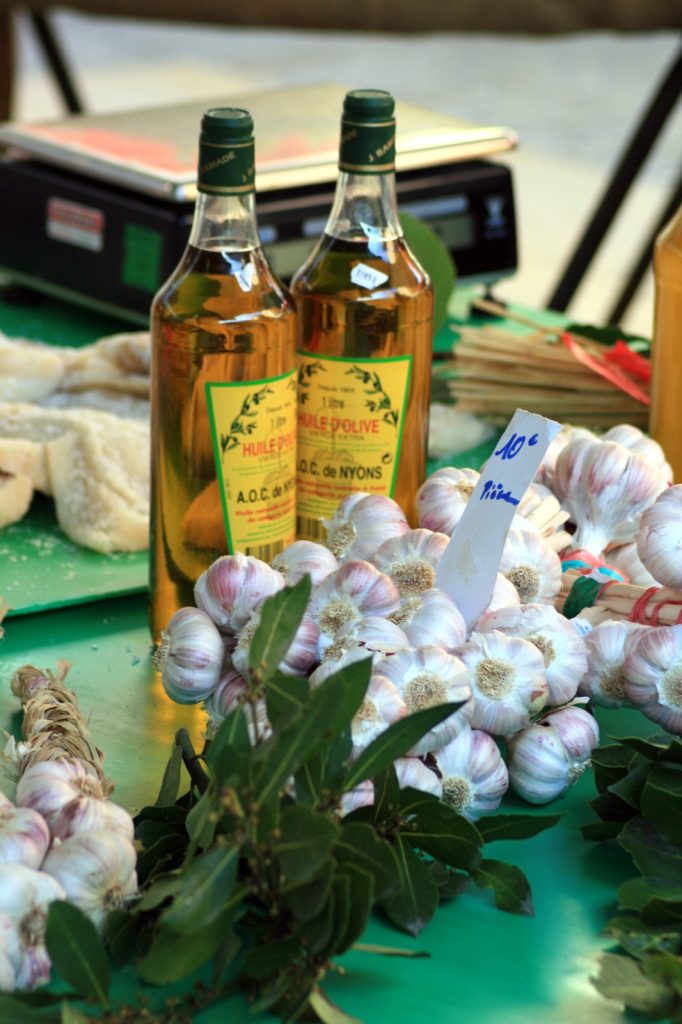
Europe has rewritten the law behind its protected food names, and for PDO olive oils the biggest change is that every member state must now actively stop fakes produced or sold on its territory. Regulation (EU) No 1151/2012 was published in the Official Journal on December 14 and takes effect on January 3. Here is what it changes for olive oil, what it adds, and what it will not fix.
What was published
The new regulation on quality schemes for agricultural products and foodstuffs, adopted by the European Parliament and the Council on November 21, replaces the two 2006 regulations that covered protected designations of origin (PDO), protected geographical indications (PGI) and traditional specialities with a single text. It enters into force on the twentieth day after publication, which puts it at January 3, 2013. Olive Oil Times, in an analysis this week, calls it an important piece of law for the olive oil sector.
| Rule | What it says |
|---|---|
| PDO | Quality due essentially or exclusively to the place, and every production step inside the area |
| PGI | Quality or reputation linked to the place, with at least one step inside the area |
| Protection | Against misuse, imitation or evocation, even with words like “style” or “type” |
| Enforcement | Each member state must name authorities to prevent or stop unlawful use |
| EU logos | Mandatory on EU PDO and PGI labels from January 4, 2016 |
| New term | “Mountain product,” with a report on “product of island farming” due by 2014 |
What changes for olive oil
The definitions of PDO and PGI stay essentially the same, and most protected olive oils are PDOs, so all the steps from grove to mill must happen inside the named area. The real change is policing. Article 13 protects registered names against any misuse, imitation or “evocation,” including when the true origin is stated or the name is dressed up with words such as “style,” “type” or “imitation,” and it says protected names can never become generic. It then obliges each member state to take administrative and judicial steps to prevent or stop the unlawful use of PDOs and PGIs produced or marketed in its territory, and to designate the authorities that will do it.
Until now it was often left to a producer group to track down and fight a copy itself, especially in another country. Under the new text, the authorities where the fake is made or sold are supposed to act. The regulation also makes the EU’s PDO and PGI symbols compulsory on labels of European products, though only from January 2016, so shoppers will see them more consistently.
The “mountain product” term could matter for some hill-grown oils: it is reserved for products whose raw materials, and any processing, come from officially designated mountain areas.
What it will not fix
- It protects names, not grades. A PDO bottle still has to meet the ordinary extra virgin rules, and the regulation does not add any new tests.
- It does nothing about ordinary blends, which make up nearly all olive oil sold. For those, the origin line on the back label is still the only guide (How to Read an Olive Oil Label).
- It only works as well as the authorities each country designates. The law sets the duty, not the budget.
For background on how PDOs came to olive oil, see Olive Oil from Istria Becomes EU Product with Protected Origin, and for this year’s consolidation of the labeling rules, EU Olive Oil Labeling Rules Rewritten Into One Clean Text.
PDO olive oil is a small corner of the market, and plenty of excellent oil is never certified because the paperwork and the council fees do not pay for a small producer. The value of a PDO is the guarantee of place, checked by someone other than the seller. That guarantee is only as good as the policing, which is why the enforcement duty matters more than any new definition.
Sources
- EUR-Lex: Regulation (EU) No 1151/2012 on quality schemes for agricultural products and foodstuffs
- Olive Oil Times: New EU Law on Agricultural Product Origins