America Puts Tariffs on Spanish Olives
Olives do not usually make the trade pages. But one year they did: the United States imposed duties on Spanish black olives, and a humble tapas staple became a test case in international trade law. It is the story of the olive’s journey, told through tariff schedules.
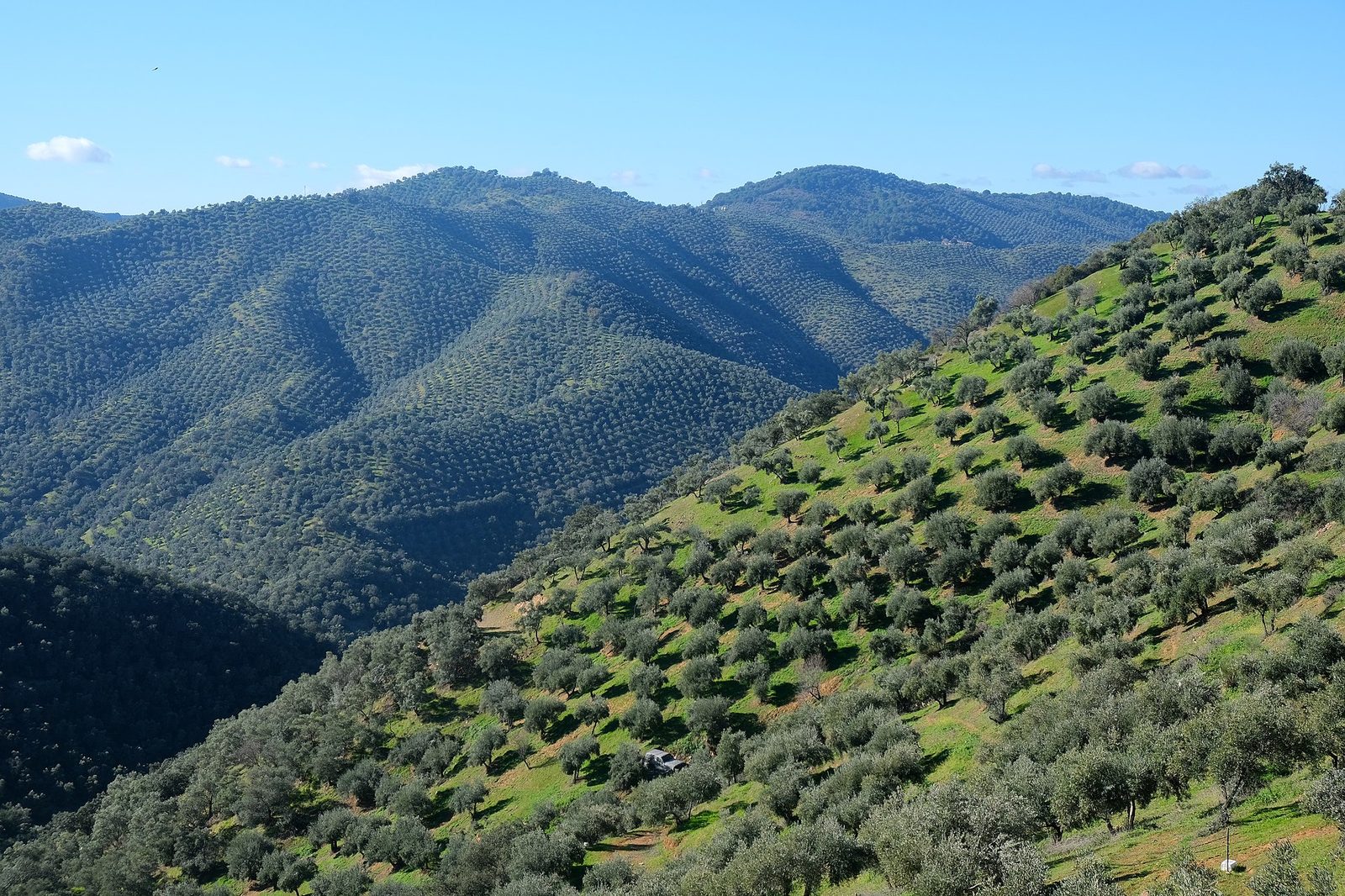
Acting on a complaint from Californian olive growers, the US authorities imposed antidumping and countervailing duties — ultimately as high as roughly 20–27% — on imports of Spanish ripe (black) table olives, after a trade panel found that subsidised, underpriced Spanish olives were harming American producers. A jar of black olives had become a matter for trade lawyers. To see why that is a bigger story than it looks, you have to understand the tools involved.
What ‘antidumping’ actually means
Two distinct claims sit behind the duties. ‘Dumping’ is selling an export below its fair or home-market value; a ‘countervailing’ duty answers a subsidy that lets a producer undercut rivals unfairly. Together they are the standard machinery a country uses when domestic producers argue that cheap, state-supported imports are damaging them. Applying that machinery to table olives — rather than steel or aircraft — was the striking part. It signalled that olives were now a commodity worth fighting over.
The olive as a global commodity
Two centuries ago the olive was, in effect, a Mediterranean monopoly. By the time of this dispute it was a crop the United States grew at enough scale to wage a trade war over — and to demand protection from Spanish imports. That is the whole ‘olives are no longer just a Mediterranean thing’ story, told through tariff schedules: a fruit that has spread across continents and grown valuable enough to sit alongside soybeans and steel in the ledgers of trade policy.
Why it did not end there
Trade fights of this kind rarely settle cleanly. This one rumbled on for years: the duties were challenged, a trade body later found against parts of the US case, and the tariffs were repeatedly contested and extended. The lasting point is not who won a given round but what the whole episode revealed — a glimpse of the politics now riding along with your jar of olives, and of how far the humble olive has travelled from its Mediterranean home.
| Element | What it shows |
|---|---|
| The complaint | US growers big enough to seek protection |
| Antidumping duty | A charge of selling below fair value |
| Countervailing duty | A response to foreign subsidies |
| Years of appeals | The olive as a serious global commodity |
- Table olives became a trade-law test case, like steel or aircraft.
- Antidumping and countervailing duties answer under-pricing and subsidies.
- The US now grows olives at a scale worth protecting.
- The olive is a global commodity, no longer a Mediterranean monopoly.
Tariffs on Spanish olives: common questions
Why did the US put tariffs on Spanish black olives?
Californian growers complained that subsidised, underpriced Spanish ripe olives were harming them. A trade panel agreed, and the US imposed antidumping and countervailing duties of roughly 20–27%.
What is an antidumping duty?
A charge applied when a country sells an export below its fair or home-market value. It is meant to offset the unfair price advantage and protect domestic producers.
What is a countervailing duty?
A charge that answers a government subsidy, cancelling out the advantage the subsidy gives an exporter over unsubsidised rivals.
Why is a tariff on olives significant?
Because it treats a humble food like a strategic commodity. Applying trade-war tools to table olives shows how global and valuable the crop has become.
Did the tariffs stay in place?
The dispute dragged on for years, with legal challenges and a trade-body ruling against parts of the US case. The duties were repeatedly contested and extended rather than cleanly settled.
Two centuries ago the olive was a Mediterranean monopoly. By the time of this dispute it was a crop the United States grew at enough scale to wage a trade war over. That’s the whole ‘olives are no longer just a Mediterranean thing’ story, told through tariff schedules — and a glimpse of the politics now riding along with your jar of olives.
Drawn from public reporting on the US antidumping and countervailing duties on Spanish ripe olives.