A Strong 2021 Harvest — the Last Cheap One
Every so often a season delivers ample oil at gentle prices, and it feels like the natural order of things. It never is. An abundant year is not a cupboard to fill — oil is perishable — but a chance to learn good oil cheaply, before scarcity returns.
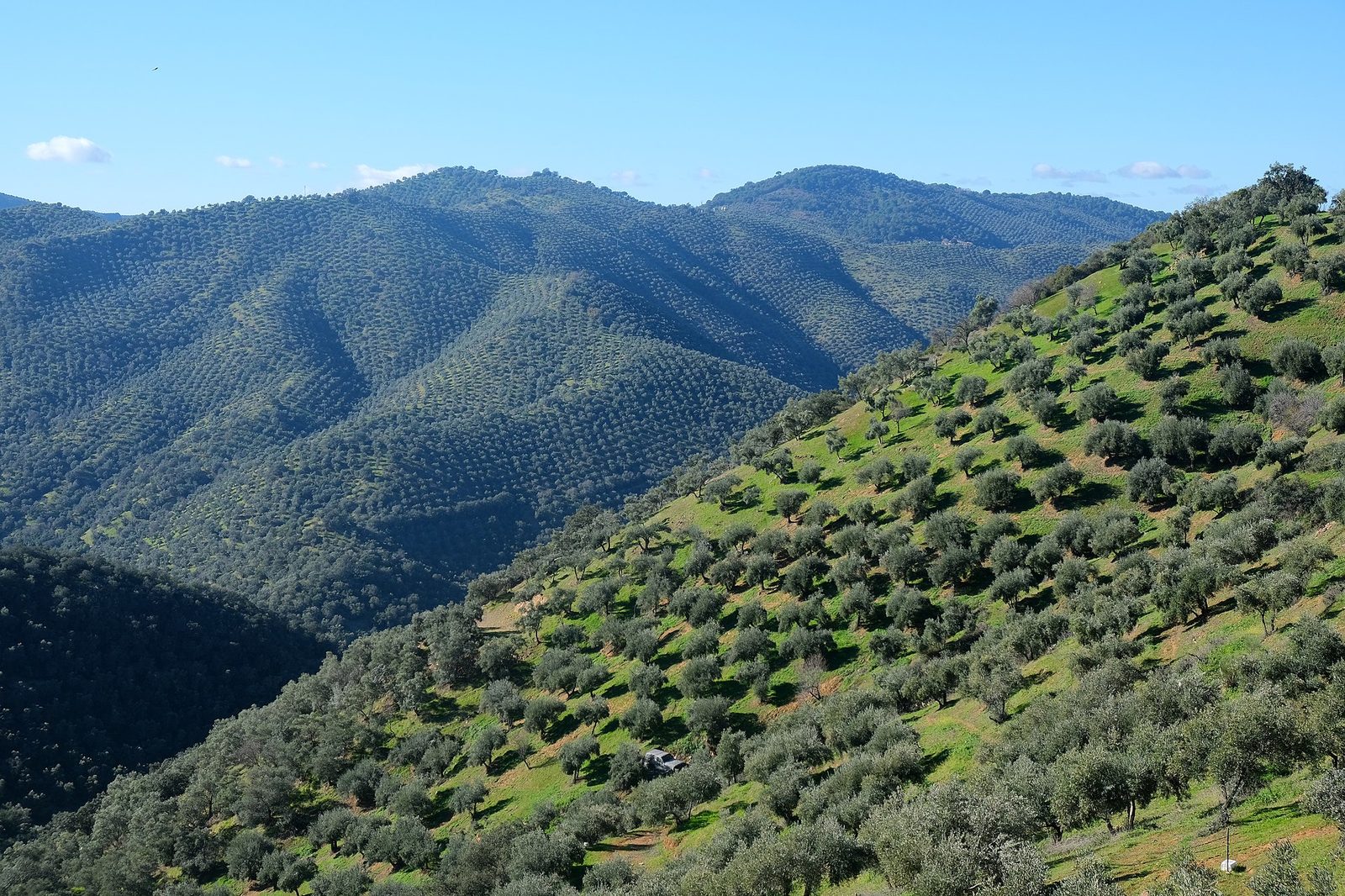
Now and then the olive world enjoys a genuinely comfortable season — a strong crop, cellars refilled, supply ample and prices within easy reach. In hindsight some of these turn out to be the last cheap year before a drought or a run of bad harvests tips the market into shortage and record prices. The temptation, when oil is plentiful and cheap, is to stock up. It is the wrong instinct, and understanding why is the most useful thing a good year can teach you.
Why you cannot hoard olive oil
Olive oil is not wine; it does not improve with age. It is a fresh-pressed fruit juice, at its best in the year or so after harvest, and it fades steadily from the day it is made — light, heat and air turning it flat and, eventually, rancid. A cupboard stacked with cheap bottles bought in a glut will mostly be tired, joyless oil by the time you reach the back of it. Stale oil helps no one. So the abundance of a good year cannot be banked as oil; the moment it offers has to be used differently.
What a good year is actually for
A cheap, abundant year is the moment to learn. When good oil is affordable, taste widely: compare a fierce Tuscan against a gentle island oil, a peppery early-harvest against a rounder one, single varieties against blends. Find producers you trust and note what honest labelling looks like. Get fluent in harvest dates and origins, so you can read a bottle at a glance. This is education you can only afford easily when prices are low — and it is exactly what protects you later, when scarcity and the fraud that follows it return, as they always do.
Knowledge keeps better than oil
The cycle is dependable: abundance, then scarcity, then the fraud and corner-cutting that high prices invite, then abundance again. You cannot store your way out of it, but you can educate your way through it. The buyer who used a cheap year to learn how to choose good oil already knows how to buy honestly when the market turns. The one who merely filled a cupboard is left with rancid bottles and no more skill than before. Knowledge keeps better than oil — and it is the only thing worth stockpiling. The full economics are in the true cost of an olive.
| An abundant year | Strong crop, full cellars, low prices |
|---|---|
| Why not stock up | Olive oil is perishable — it goes stale, then rancid |
| Best before, roughly | At its finest within ~a year of harvest |
| What to do instead | Taste widely and learn while it’s cheap |
| Skills to build | Reading harvest dates, origin, honest labels |
| The payoff | Buying well when scarcity and fraud return |
Making the most of a cheap year
- Don’t hoard — olive oil is a fresh juice that fades, not a wine that improves.
- Use the low prices to taste widely: fierce against gentle, single-variety against blend.
- Build the habit of reading harvest dates and origins so you can judge any bottle fast.
- Remember the cycle: scarcity and fraud always come back, and skill is your defence.
Buying in a cheap olive oil year: common questions
Can I stock up on olive oil when it’s cheap?
Only modestly. Olive oil is perishable — it is best within about a year of harvest and turns flat, then rancid, so a big cheap-year stockpile mostly ends up tired.
Does olive oil improve with age like wine?
No. It is a fresh-pressed fruit juice at its best young, and light, heat and air degrade it steadily from the day it is made.
So what should I do in an abundant year?
Learn. Taste widely while good oil is affordable, find producers you trust, and get fluent in harvest dates and origins.
Why does that matter for later?
Because scarcity and the fraud that follows it always return. A buyer who learned to choose good oil in a cheap year knows how to buy honestly when prices climb.
How long does an opened bottle stay good?
Use it within a few weeks to a couple of months, kept cool and dark and tightly closed. Buy a size you’ll actually finish while it’s fresh.
You can’t hoard olive oil — it’s perishable, and stale oil helps no one. But an abundant year is the moment to learn good oil while it’s cheap: taste widely, find producers you trust, get fluent in harvest dates and origins. Then, when scarcity and fraud return — as they always do — you already know how to buy honestly. Knowledge keeps better than oil, and it’s the only thing here worth stockpiling.
Drawn from International Olive Council European production figures and long-run market patterns.