‘Worst Drought in Living Memory’ Threatens World Supply
When the heart of the olive world is described as facing its worst drought in living memory, the whole planet feels it at the till. Andalusia makes roughly a third of all olive oil — and when it fails, there is no other region large enough to make up the difference.
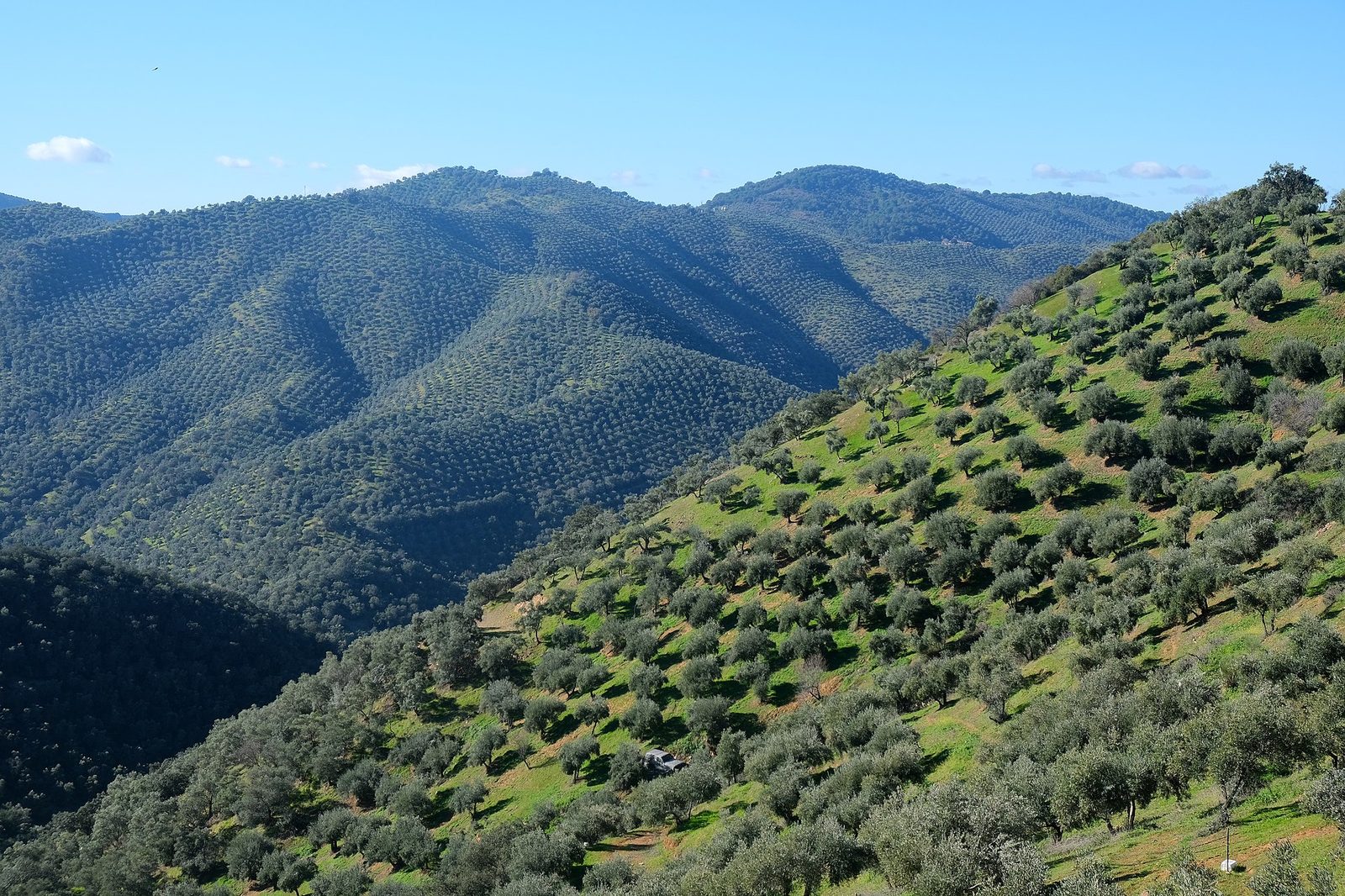
Some regions grow a lot of olives. Andalusia, in southern Spain, grows an amount so large it sets the global price by itself — on the order of a third of all the olive oil made on earth. That concentration is a marvel of efficiency in a good year and a single point of failure in a bad one. When a severe drought settles over Andalusia, it is not a regional story. It is the moment a shortage goes global, and the headlines start reaching shoppers everywhere.
Why one region can move the whole world
The olive is grown for oil in a startlingly small number of places, and Andalusia towers over all of them. So a drought that halves the Andalusian crop does not just raise Spanish prices — it removes so much oil from the world supply that no combination of other producers can replace it. Italy, Greece, Tunisia, Turkey and the rest together cannot conjure up a third of global output at short notice. That is what makes an Andalusian drought uniquely dangerous: there is no backstop big enough.
How drought wrecks a crop
Heat and drought hurt an olive crop through the whole season. A scorching, dry spring ruins the flowering, so the fruit never sets in the numbers it should. Summer heat then stresses whatever fruit did form, shrinking it and cutting its oil. Water-starved trees may shed fruit early or simply give less. And because olives are alternate-bearing, a battered year is often followed by a naturally light one, so the damage carries forward. Benchmark prices can climb steeply — doubling over a couple of dry years is not unusual — long before shoppers see the full effect.
What it means for the rest of us
The lesson of an Andalusian drought is uncomfortable but clear: the affordability of good olive oil rests on the weather in one corner of one country. There is nothing a shopper can do about the rain, but there is plenty to do about how you buy — favour a recent harvest date and a clear origin, learn to taste good oil while it is cheap, and understand that a fair, steady price is what keeps those crucial Andalusian groves in business through the dry years. The full arithmetic is in the true cost of an olive.
| The region | Andalusia, southern Spain |
|---|---|
| Its share | Roughly a third of world olive oil |
| Why it matters | No other region can cover its shortfall |
| How drought hits | Failed flowering, stressed fruit, lower oil |
| The knock-on | Alternate bearing carries damage forward |
| The buyer’s move | Harvest date, origin, and learning good oil |
When Andalusia is dry
- Understand that one region — Andalusia — sets the world price, so its drought is everyone’s problem.
- Know there is no backstop: other producers together cannot replace a third of global output at short notice.
- Expect prices to climb steeply and the effect to carry forward through alternate bearing.
- Buy on harvest date and origin, and treat cheap years as the time to learn good oil.
Andalusia’s drought and world supply: common questions
Why does an Andalusian drought affect the whole world?
Because Andalusia makes about a third of all olive oil. When its crop fails, so much oil vanishes from world supply that no other region can make up the difference.
Can’t other countries cover the shortfall?
Not fully. Italy, Greece, Tunisia, Turkey and others together cannot replace a third of global output at short notice, so prices rise everywhere.
How does drought actually reduce the crop?
A hot, dry spring ruins the flowering, summer heat shrinks the fruit and its oil, and stressed trees drop fruit or yield less — damage that can carry into the next year.
How much can prices rise?
Benchmark prices can climb steeply over a couple of dry years — doubling is not unusual — and shoppers feel it with a lag.
What can a shopper do about it?
Nothing about the rain, but plenty about buying: favour a recent harvest date and clear origin, and learn to taste good oil while it is cheap.
When the heart of the olive world is described as facing its worst drought in living memory, the whole planet feels it at the till — because no other region can cover an Andalusian shortfall. This is the moment a regional crisis goes global and the headlines start reaching shoppers everywhere. There is nothing you can do about the rain, but plenty about how you buy: a recent harvest date, a clear origin, and the sense to learn good oil while it is still cheap.
Drawn from International Olive Council figures on Andalusian output and benchmark prices, and contemporary drought reporting.