Meski Olives
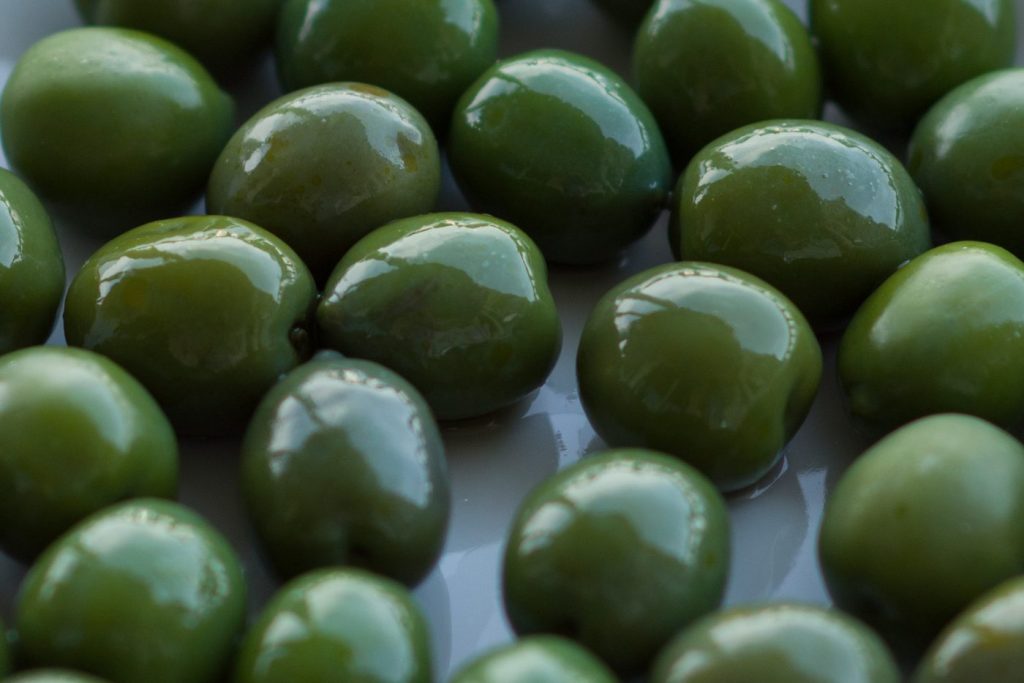
Meski is a Tunisian olive cultivar grown above all for green table olives — plump, mild and buttery, picked while still firm and green, then brined for the table rather than pressed for oil. If you have ever eaten a large, pale-green Tunisian olive with a clean, gently bitter-sweet flavour and a generous nugget of flesh around a small stone, there is a good chance it was Meski. It is one of the country’s signature eating olives, and it shows up on Tunisian tables, in market barrels and increasingly on export shelves.
Where Meski comes from and what makes it distinctive
The name “Meski” is Tunisian, and the variety is closely associated with olive-growing regions of northern and central Tunisia. A quick word on provenance, because it matters: a cultivar’s name tells you where it was selected and named, not necessarily the only place it can grow. Meski is Tunisian in origin and identity, but like many Mediterranean table varieties it can be found in trial plantings and collections elsewhere. When you see “Meski” on a jar, read it as a variety name first and foremost.
What sets Meski apart is that it is bred for eating, not for oil. Table olives and oil olives are selected for different things — oil cultivars favour high oil content and small fruit, while table cultivars like Meski are chosen for large, fleshy fruit with a high flesh-to-stone ratio and skin that survives brining without shredding. Meski ticks those boxes: the fruit is comparatively large, rounded, and holds its shape well through curing. That reliability is a big part of why it became a mainstay of the Tunisian table-olive trade, alongside Tunisia’s better-known role as a major olive-oil producer.
In flavour, a well-cured green Meski is mild rather than aggressive — clean, a touch grassy, faintly bitter, with a firm but yielding bite. It takes on other flavours happily, which is why you so often meet it dressed with garlic, lemon, chilli, coriander or fennel in North African kitchens. If you want to see how it sits against other eating olives, our olive varieties encyclopedia is a good place to browse.
Meski at a glance
The figures below are typical ranges rather than fixed rules — harvest timing, growing conditions and the individual grower all shift the numbers. Treat them as a sensible guide, not gospel.
| Attribute | Meski |
|---|---|
| Primary origin | Tunisia |
| Main use | Table olive (mainly green) |
| Typical colour at harvest | Green to straw-green (also picked riper as black) |
| Fruit size | Large, rounded, fleshy |
| Flesh-to-stone ratio | High (favoured for eating) |
| Flavour | Mild, clean, gently bitter-sweet, buttery |
| Common curing method | Brine cure; sometimes lye-treated Spanish style |
| Best pairings | Garlic, lemon, chilli (harissa), coriander, fennel |
How Meski is cured and eaten
Because Meski is picked green and firm, the raw fruit is far too bitter to eat straight off the tree — that bitterness comes from a compound called oleuropein, and curing is simply the process of drawing it out. There are two common routes. The traditional home and small-producer approach is a slow brine cure: the olives sit in salted water for weeks or months, sometimes with the water changed periodically, until the harshness mellows and the flesh turns silky. The faster industrial route borrows the Spanish-style lye (dilute food-grade sodium hydroxide) treatment to speed debittering before brining. Lye curing should always be left to those who know the correct food-safe dilutions; brining at home is the gentler, more forgiving method.
Once cured, Meski is wonderfully versatile. In Tunisia you will find it whole in barrels at the market, often cracked or split to speed curing and let the marinade in. It goes into slow-cooked tagines and stews, gets tossed with citrus and warm spices as a nibble, and sits alongside bread, cheese and a drizzle of good oil. Roughly speaking, expect a table olive like Meski to be salty by design — if a batch tastes too sharp for you, a quick rinse or a soak in fresh water softens the edge before serving. As with any brined food, the sodium content is meaningful, so enjoy them as the punchy little seasoning they are rather than by the bowlful. That is a general note on salt, not medical advice.
Meski olives — common questions
Are Meski olives green or black? Usually green. Meski is picked mainly as a green table olive, harvested while firm and unripe. Left to ripen on the tree the same fruit darkens and can be cured black, but the classic Meski you meet is the plump green one.
Where do Meski olives come from? Meski is a Tunisian cultivar, tied to Tunisia’s olive-growing regions. The name identifies the variety rather than a single farm or town — and remember a variety name is not a guarantee of country of harvest, so check the label if provenance matters to you.
What do Meski olives taste like? Mild, clean and buttery, with a gentle bitter-sweet edge and a firm-but-yielding bite. They are not an intense, briny-bomb olive; their mildness is exactly why they take so well to garlic, lemon, chilli and herbs.
Can I substitute Meski with another olive? Yes. Any large, mild green table olive works as a stand-in — a green Cerignola or a plain green Spanish-style olive will give you a similar fleshy, mellow result, though each brings its own character.