Olive oil now most popular for cooking in U.K
Within living memory, olive oil in Britain was something you bought in a small bottle at the chemist, for softening earwax. It is now in most kitchens. That shift is one of the strangest food stories of the last century.
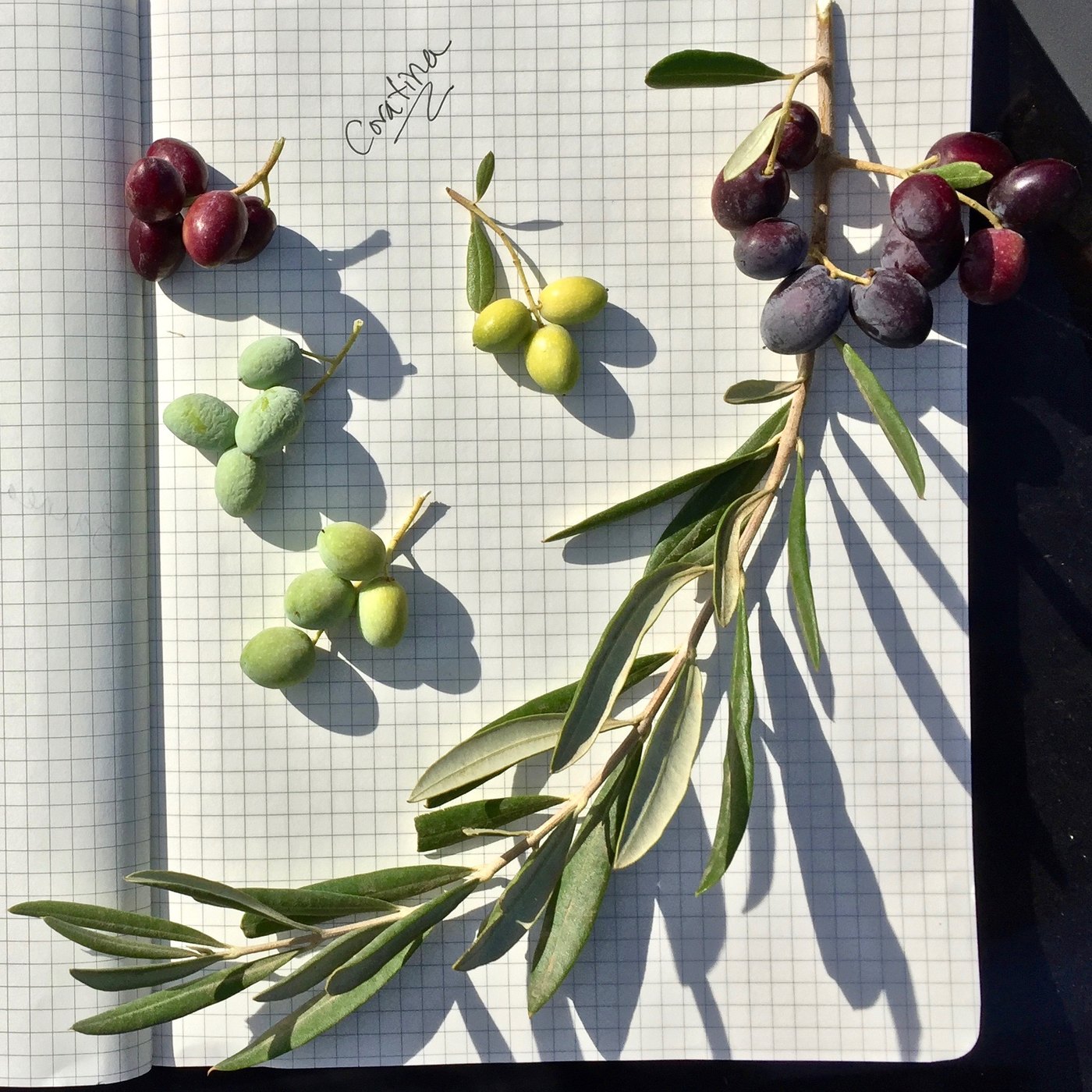
There is a detail about British olive oil that always startles people under fifty: for much of the twentieth century you did not buy it at the grocer. You bought it at the pharmacy, in a small bottle, and it was for your ears. Britain had no olive-oil cooking tradition, no domestic production, and a national fat culture built on butter, lard, beef dripping and, later, cheap refined vegetable oil.
Today more than half of British households buy olive oil, and it competes directly with sunflower and rapeseed as an everyday cooking fat. Nothing about that was inevitable.
How a medicinal oil became a kitchen oil
Three forces did the work, in sequence. First, cookery writing. The generation of British food writers who came back from the Mediterranean after the war did not simply publish recipes; they published an argument about how life could taste, and olive oil was its central prop. That created demand before there was supply worth speaking of.
Second, mass tourism. Cheap package holidays to Spain, Italy and Greece from the 1960s onward gave millions of Britons a direct sensory memory — a tomato salad, a plate of fried fish, bread and oil — attached to a holiday feeling. Food habits move on emotion far more reliably than on nutrition advice.
Third, and decisively, the supermarkets. When the big chains built own-label olive oil ranges and put them at accessible prices in every town, the product stopped being aspirational and became ordinary. That is the step that converts a trend into a staple.
| Fat | Typical British use | Approx. smoke point | Honest assessment |
|---|---|---|---|
| Extra virgin olive oil | Dressings, finishing, gentle frying | 190–210°C | Flavour is the point. More heat-stable than its smoke point suggests, thanks to its antioxidants. |
| Olive oil (refined blend) | Everyday frying, roasting | around 230°C | A neutral cooking fat. Sensible and cheaper than extra virgin for heat. |
| Rapeseed oil | Roasting, frying, baking | around 200–230°C | Home-grown, cheap, neutral. Cold-pressed versions have real character. |
| Sunflower oil | Deep-frying, baking | around 225°C | Cheap and neutral. Nothing to taste, which is sometimes exactly right. |
| Butter | Baking, finishing, low-heat frying | around 150°C | Unbeatable for flavour, burns early. Clarified, it behaves far better. |
| Beef dripping | Roast potatoes, traditional frying | around 200°C | The old British default. Still the best roast potato, whatever else is true. |
A caution about that middle column: smoke point is the number everyone quotes and it is a poor guide on its own. It measures when an oil visibly smokes, not how fast it degrades. Extra virgin olive oil performs better in domestic frying than its modest smoke point implies, because its natural phenolics slow oxidation. A highly refined oil with a high smoke point can degrade faster in real use. Treat the figures as approximate — they shift with refining, freshness and how many times the oil has been used.
What the price shock revealed
The consecutive poor harvests around the Mediterranean in the early 2020s pushed olive oil prices to levels Britons had never seen — bottles behind security tags in supermarkets, own-label prices doubling. It was a genuine agricultural crisis, driven by drought and heat in Spain above all, not a retail invention.
What it exposed was how deep the habit had gone. Instead of abandoning olive oil, most British shoppers traded down within it — from extra virgin to plain olive oil, from branded to own-label, from a litre to half a litre. That is what people do with a staple, not with a luxury. Twenty-five years earlier, a doubling in price would simply have ended the category.
| Domestic production | None of commercial significance — Britain grows no olives at scale |
|---|---|
| Historic retail channel | Pharmacies, in small medicinal bottles |
| Main drivers of adoption | Post-war cookery writing, package holidays, supermarket own-label |
| Dominant purchase today | Supermarket own-label, one-litre bottles |
| Main competitors | Rapeseed and sunflower oil on price; butter on tradition |
| Recent shock | Mediterranean drought harvests of the early 2020s and the resulting price spike |
- Keep two bottles. A cheap refined one for heat, a good extra virgin for raw. Buying one mid-priced bottle for everything wastes money at both ends.
- Own-label is not automatically inferior — supermarkets buy from serious bottlers — but it is a blend of unknown age. Check the date.
- Do not buy the biggest bottle unless you cook with it daily. Oil oxidises once opened.
- Ignore the word light. It refers to colour and flavour, not calories. Every olive oil has the same energy density.
- If price spikes again, trade down grade before you trade down freshness — a fresh plain olive oil beats a stale extra virgin.
Olive oil in Britain: common questions
Was olive oil really sold in British chemists?
Yes. For much of the twentieth century it was stocked as a pharmacy item in small bottles, used for softening earwax and as a mild emollient, long before it was a normal grocery purchase.
Is olive oil now the most popular cooking oil in the UK?
It is bought by the majority of households and competes at the top of the category, but rapeseed and sunflower remain very heavily used, especially for frying and in food manufacturing. Household penetration and total volume are different measures.
Why did olive oil prices rise so sharply?
Consecutive drought-hit harvests around the Mediterranean, Spain above all, cut supply against steady global demand. It was an agricultural shortage, not a retail markup.
Is British rapeseed oil a good substitute?
For neutral cooking, yes — it is cheap, local and performs well. For flavour it is a different proposition, and cold-pressed rapeseed has its own grassy character rather than an olive one.
Does olive oil suit British cooking?
Increasingly, and not only Mediterranean dishes. But some British classics are genuinely better in their traditional fat — roast potatoes in dripping, pastry in butter. Using olive oil for everything is a habit, not an improvement.
The trade-down behaviour during the price spike told us more than any market survey. When people stop buying a thing, it was a treat. When they keep buying it but shrink the bottle and drop a grade, it has become infrastructure — and Britain crossed that line quietly, somewhere in the 1990s. My only complaint is what they trade down to: a big cheap bottle of plain olive oil left open next to the hob for a year is not economy, it is a slow waste. Buy less, more often, and keep it in the cupboard.
Background on British adoption from published market and food-history accounts; smoke points are approximate and vary with refining and freshness.