Sri Lanka to grow olives for export
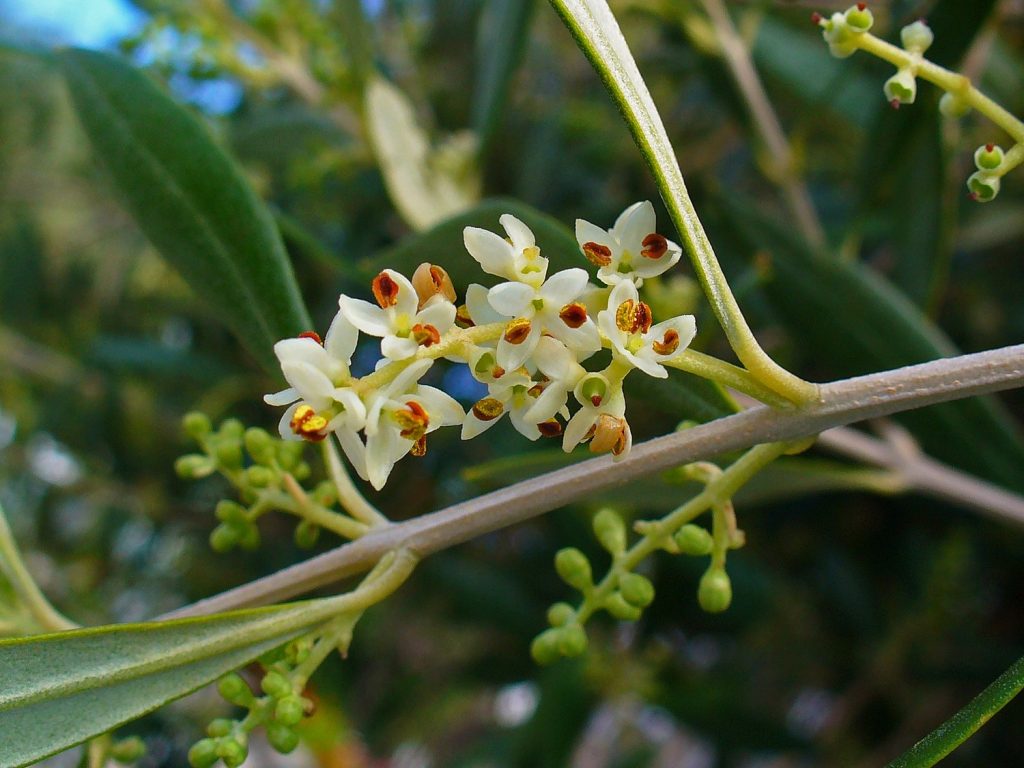
Every few years a tropical country announces it will grow olives for export. Sri Lanka tried, planting Cypriot trees in the hills near Mawanella. The ambition is understandable — but it runs into a stubborn fact of botany: the olive tree needs a real winter, and most of the tropics cannot deliver one.
It is one of the recurring dreams of tropical agriculture: if olive oil sells for so much, why not grow olives here? Sri Lanka’s plan to trial imported trees in the hills for an eventual export oil is a textbook example. The instinct is sound — olive oil is valuable and demand is global — but the olive is one of the fussiest trees about climate that farming knows, and the reasons it thrives around the Mediterranean and struggles almost everywhere else are worth understanding before anyone plants a grove near the equator.
Why the olive needs a winter
The olive is a creature of the Mediterranean climate: hot dry summers and cool, mild winters. That winter cold is not incidental — the tree needs a spell of low temperatures, roughly a couple of months around 7 to 10 degrees Celsius, to flower properly the following spring. Without that chilling period, an olive tree may grow leafy and green but flower poorly or not at all, and no flowers means no fruit and no oil. Most of Sri Lanka is hot year round, so the only plausible ground is the central highlands, where altitude buys some coolness — and even there it is marginal.
Rain is the other problem
Even where it is cool enough, the tropics are usually too wet. The olive evolved for dry summers, and high humidity and heavy rainfall at the wrong time invite exactly the fungal diseases — peacock spot, anthracnose — that rot fruit and strip leaves. Warm, damp conditions also favour the olive fruit fly. A Mediterranean grower fears drought; a tropical one would fear rot. The combination of not-quite-enough winter chill and far-too-much moisture is why tropical olive projects so often produce healthy-looking trees that simply refuse to crop.
New frontiers, honestly assessed
None of this means olives can never grow outside the Mediterranean — Australia, Argentina, Chile, California and South Africa all prove otherwise. But those successes are in Mediterranean-type climates in the temperate zone, not the humid tropics. A tropical project’s realistic ceiling is a small highland niche crop, likely more useful as a curiosity or a local specialty than as a serious export industry. The honest take on Sri Lanka’s trial is that a handful of experimental trees in the hills is exactly the right scale: prove the climate first, on a few dozen trees, before betting a plantation on beating the olive’s oldest instinct.
| Requirement | Mediterranean climate | Humid tropics |
|---|---|---|
| Winter chill (~7–10°C) | Yes — reliable cool winter | Only at altitude, and marginal |
| Dry summer | Yes | No — wet and humid |
| Fungal disease pressure | Low | High — rot and leaf loss |
| Realistic outcome | Full commercial crops | Highland niche at best |
What a would-be tropical grower should weigh
- Check the winter chill first: without a genuine cool spell, the trees may never flower well.
- Assume disease pressure from humidity and rain — budget for it, or pick your driest highland site.
- Start with a trial of a few trees, not a plantation, and give it several years before judging.
- Be honest about the ceiling: a tropical olive is likely a niche, not a rival to Spain or Tunisia.
Growing olives in the tropics: common questions
Can olives grow in tropical countries?
Only marginally, and usually only in cooler highlands. The olive needs a cool winter to flower, which most tropical lowlands cannot provide.
Why does an olive tree need cold weather?
It requires a chilling period — roughly a couple of months around 7 to 10 degrees Celsius — to trigger proper flowering in spring. Without it, the tree grows but fruits poorly.
How long before a new olive tree produces oil?
Typically three to four years to start bearing, and longer to reach a real crop — olives are a patient investment anywhere.
Why is rain a problem for olives?
The olive evolved for dry summers. High humidity and rainfall encourage fungal diseases and the olive fruit fly, which damage both fruit and tree.
So can anywhere outside the Mediterranean grow olives?
Yes — Australia, Chile, Argentina, California and South Africa all do — but in Mediterranean-type temperate climates, not the humid tropics.
Every olive person has seen the tropical-olive pitch, and the honest reaction is neither mockery nor hype. The olive is genuinely one of the pickiest trees about climate, and the winter-chill requirement is the wall these projects hit again and again: lovely green trees that will not flower. If you are tempted, the smart money does exactly what a good trial does — a few dozen trees in your coolest highland site, several years of patience, and a cold eye on whether they actually crop before anyone talks about export. The olive has beaten more ambitious schemes than this by simply declining to bloom.
Drawn from olive climate physiology and the record of olive-growing trials outside the Mediterranean.