EU Pesticide Overhaul Alarms Olive and Citrus Growers
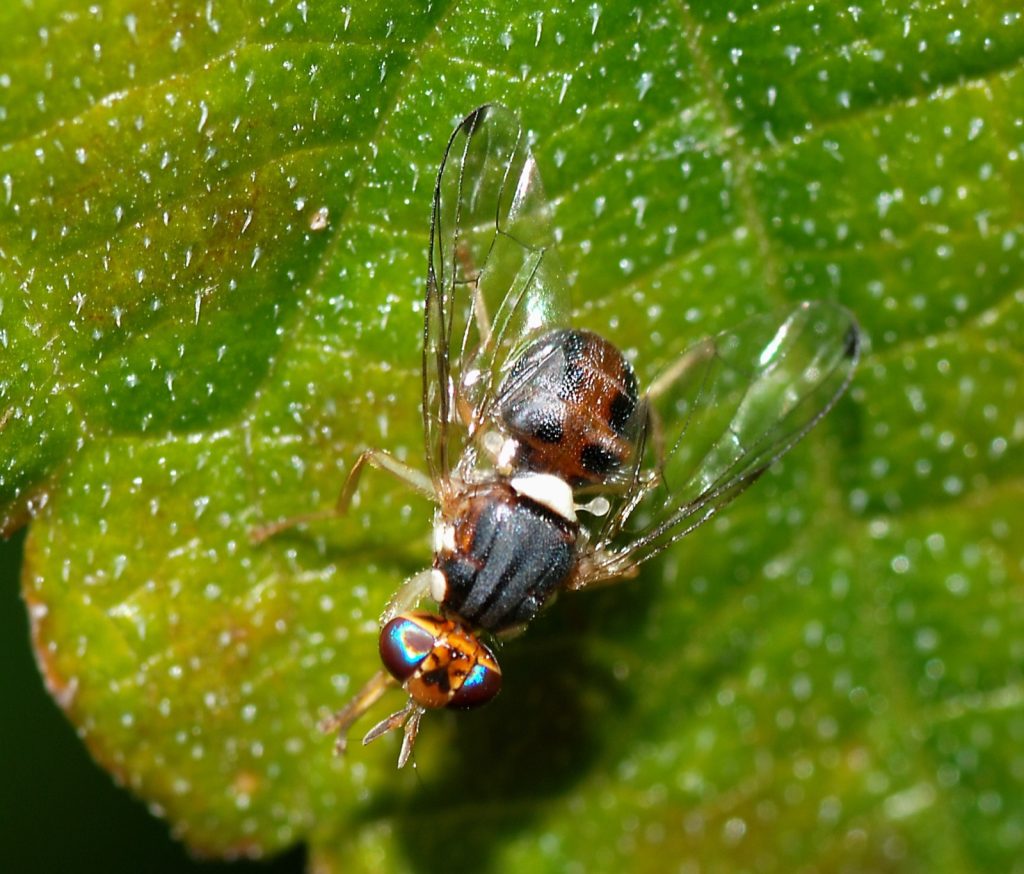
The European Parliament has signed off on a rewrite of the rules for pesticides, and Spanish growers are already arguing that it will leave them without a usable answer to the olive fly. What was actually agreed on January 13, what the growers claim, and how much of the claim to believe.
What Parliament agreed
On January 13 the Parliament adopted, at second reading, its position on a regulation concerning the placing of plant protection products on the market. Because Parliament and Council had already reached a deal, that position is in effect the final text. It repeals the old framework directive from 1991 and the 1979 directive listing banned substances, and it replaces them with one set of rules for approving active substances at Community level and authorizing the products that contain them at national level.
The Commission’s own explanation, published the same day, sets out the shape of it. There are currently around 500 active substances on the market in the Union. Approval criteria are tightened and clarified, deadlines are imposed on the Commission, the member states and the food safety authority, and a mechanism is created for identifying substances of higher concern as candidates for substitution by less hazardous alternatives.
There is also a change that will matter to growers in practice. Authorizations will have to be recognized between member states inside three zones grouped by climate and agriculture. The southern zone is Bulgaria, Spain, Greece, France, Italy, Cyprus, Malta and Portugal, which is, more or less, the olive belt.
What the growers say it will cost them
Farm organizations in Andalusia went public within days. ASAJA in Malaga said the original ambition in Brussels had been to remove about 85 percent of the plant protection products in use, that after protests the cut will end up affecting something between 9 and 21 percent of active substances, and that the result is still too restrictive for Mediterranean farming.
Its specific complaint is about substances that will go without a replacement. The organization estimates that two of the region’s most representative crops could lose between 40 and 80 percent of production if that happens: citrus because of the fruit fly, and olives because of the olive fly. It also makes the argument that always follows, that imports from countries outside the Union can be grown with products European farmers may not use.
Those percentages are a lobbying estimate, not a measured forecast, and they assume no substitute is found and no other method is adopted. Take them as the loudest version of a real worry rather than as a number.
The olive fly is the real test
Strip out the politics and the question is simple. Bactrocera oleae lays in the fruit, the larva eats the flesh, the damaged olive drops or arrives at the mill already spoiled, and the oil pressed from a fly hit crop tastes of it. In a bad year the fly does not reduce a crop’s quality a little, it decides whether there is extra virgin oil at all.
- Bait sprays and traps still work, but they depend on a small number of insecticides.
- Monitoring matters more than spraying: the treatment is only worth anything if it is timed to the flight.
- Groves that are picked early and milled fast lose less to the fly than groves that wait.
Californian growers have been having the same conversation from the other direction for years, since the fly arrived there and turned into a threat to the state’s crop, and their experience suggests the answer is a mix of trapping, timing and sanitation rather than one heroic chemical. Home growers have found the same, as we wrote when trap based control started to look realistic in small groves.
Fly damage is the most common reason a bottle of ordinary supermarket oil tastes flat and slightly stale. It does not show as a scandal, because the oil is legally fine; it just has the dull, sweetish note that comes from fruit with holes in it. That is also why oil from early picked, green fruit costs more: picking before the fly has had its summer is expensive, and it is what you are paying for.