Olive Skin Compounds Slow Breast Cancer Cells in the Lab
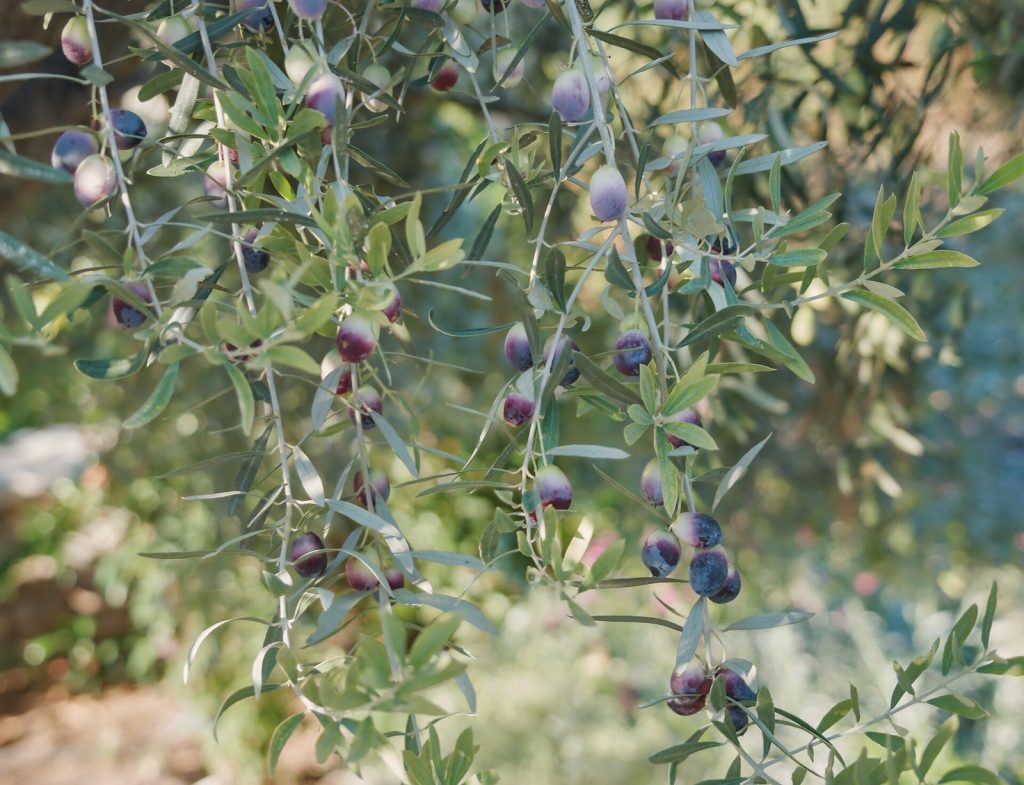
Researchers at the University of Jaén report that compounds found in the skin of olives, and in smaller amounts in virgin olive oil, slowed the growth of human breast cancer cells in laboratory tests. The study, in the Journal of Agricultural and Food Chemistry, was done on cells in culture, not on people, so it says nothing yet about preventing or treating cancer. Here is what was tested, what was found, and how to read the headlines it is getting.
What the study did
The team, led by José Juan Gaforio of the university’s immunology group, looked at four pentacyclic triterpenes, a family of waxy compounds that olives build into their skin: erythrodiol, uvaol, oleanolic acid and maslinic acid. They exposed a standard line of human breast cancer cells, known as MCF-7, to each compound at different concentrations and measured what happened to the cells. The paper was published online on December 10, and the university’s findings were reported in the Spanish trade press today.
| Compound | Main result reported in the abstract |
|---|---|
| Erythrodiol | Killed cells and slowed their growth; at the highest dose, triggered programmed cell death |
| Uvaol | Slowed growth by halting the cell cycle; lowered oxidative stress in cells |
| Oleanolic acid | Slowed growth by halting the cell cycle; lowered oxidative stress in cells |
| Maslinic acid | Lowered oxidative stress in cells |
According to the abstract, erythrodiol, uvaol and oleanolic acid had a significant toxic effect on the cancer cells and inhibited their growth in a way that depended on dose and time. None of the four worked as a direct antioxidant in the standard chemical tests, but at a low concentration all of them protected the cells’ DNA against oxidative damage. The authors conclude that the compounds “may have the potential” to provide a natural defense against breast cancer. Gaforio pointed out that all four are also present in virgin olive oil, and that the work builds on earlier studies by the same group.
How to read it
This is careful basic research, and it is worth reporting, but it is a long way from the kitchen. The effects were seen in cells growing in a dish, at concentrations chosen by the researchers, and the strongest effect of erythrodiol appeared at the highest dose tested. Nobody has shown that eating olives or olive oil delivers these compounds to breast tissue in amounts that matter. We made the same point two years ago about olive oil phenols and a breast cancer gene, and about maslinic acid in olive skins.
- Cell studies are the first step; animal studies and then human trials come next, and most promising compounds fall away along the way.
- A food that contains a compound is not the same as a dose of that compound.
- Olive oil’s reputation for health rests on population studies of whole diets, not on single molecules.
A trade footnote
Two of these four compounds will be familiar to any olive oil chemist, for a very different reason. Erythrodiol and uvaol are much more abundant in oil extracted from pomace, the leftover skins and pits, than in oil pressed from the fruit, which is why labs measure them, alongside the sterols described in our piece on how sterols catch fake olive oil, to spot pomace oil blended into virgin oil.
Every study like this one ends up on a label or a website within months, usually as “fights cancer”. No olive oil or olive extract has been shown to prevent or treat breast cancer in people, and any bottle that implies otherwise is selling a headline. Buy olive oil because it is good food and a sensible fat to cook with, not as medicine.
This article is general information, not medical advice. Anyone with a breast lump, a change in the breast or a family history of breast cancer should see a doctor, and no food should replace screening or treatment a doctor recommends.
Sources
- Allouche Y. et al., “Antioxidant, antiproliferative, and pro-apoptotic capacities of pentacyclic triterpenes found in the skin of olives on MCF-7 human breast cancer cells and their effects on DNA damage”, Journal of Agricultural and Food Chemistry (PubMed)
- Óleo Revista, “La piel de la aceituna y el aceite de oliva virgen defienden contra el cáncer de mama” (December 21, 2010)