A Wet Year Points to a Record Australian Olive Crop
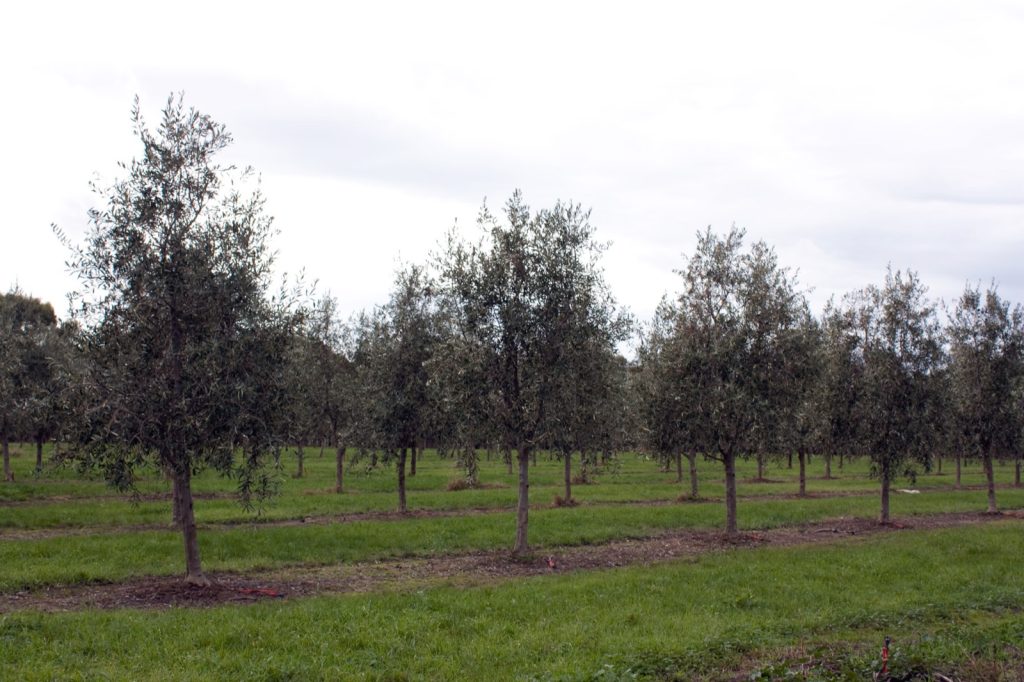
Australia’s olive harvest is getting under way this month with growers talking about a possible record, somewhere between 16,000 and 19,000 tonnes of oil, well above the disappointing crops of 2009 and 2010. The reason is the weather that caused so much trouble elsewhere in the country over summer. Here is what the wet year has done to the fruit, and what to watch as the harvest moves south.
A crop built by rain
2010 was Australia’s third wettest year on record, driven by a strong La Nina, according to the Bureau of Meteorology’s annual climate statement. For most crops that meant floods and losses. For olive trees, which spent the previous decade in drought and on expensive irrigation water, it meant a full soil profile, strong vegetative growth and a heavy set of fruit.
Harvest starts in southern Queensland and works its way down, finishing in Tasmania in July, with the bulk of the picking next month. Victoria will again supply more than half the national crop. Western Australia, which had a poor 2010, is expected to bounce back, and South Australia is holding its share.
| Item | Detail |
|---|---|
| Forecast production | 16,000 to 19,000 tonnes of oil |
| Harvest window | Now in southern Queensland, ending in Tasmania in July |
| Largest producing state | Victoria, more than half the crop |
| Main weather driver | A very wet year under La Nina |
What the growers are watching
Paul Miller, president of the Australian Olive Association, is careful about the word record. He expects a bigger crop than last year and says it could be a record, but adds that the main harvest is still ahead and Australian forecasts have a habit of moving.
The worry that comes with wet warm weather is anthracnose, a fungal disease that rots olives on the tree and wrecks oil quality when infected fruit reaches the mill. Miller says the fruit looks good in most places, with problems in the warmest and wettest districts, and that growers have been watching their spray programs closely.
Leandro Ravetti of Modern Olives, who is as close to the Australian crop as anyone, says only a small number of groves were directly hit by flooding and that the rain has been a net benefit, cutting irrigation costs and setting the trees up for next season as well. He expects the cooler spring and summer to show up in the oils as better fatty acid profiles and more intense flavor, with the rain pushing the style toward milder, more balanced oils.
Why this crop matters beyond Australia
Australia makes less oil in a year than a good week in Andalusia, so the tonnage is not the point. The point is what the country does with it. Australian producers have spent the last two years arguing that international standards are too soft and that their own tests are better at catching tired oil, and a bumper crop of fresh, well tested oil is the argument in liquid form.
There is a domestic catch. A big crop lands in a market where supermarket shelves are full of cheap imported oil, and Australian growers cannot match those prices on cost. The bigger the harvest, the more urgent the question of who will buy it, which is why the industry’s attention keeps returning to labels and to what the words on an imported bottle are allowed to claim.
Ask an Australian producer for the pressing date, not the harvest year. The southern hemisphere presses between April and July, so an Australian oil bottled in July is six months fresher than a northern oil of the same calendar year, and in January it is the freshest thing in the shop. That is the one genuine advantage the southern producers have, and the good ones print the date. The ones that do not are usually holding last year’s oil.