The Fly Comes for Greece’s 2018 Harvest
One small insect does more damage to an olive harvest than almost anything else. The olive fruit fly hits twice — less oil, and worse oil — and mild, humid seasons are exactly when it thrives. Here is how it works, and why it matters to your bottle.
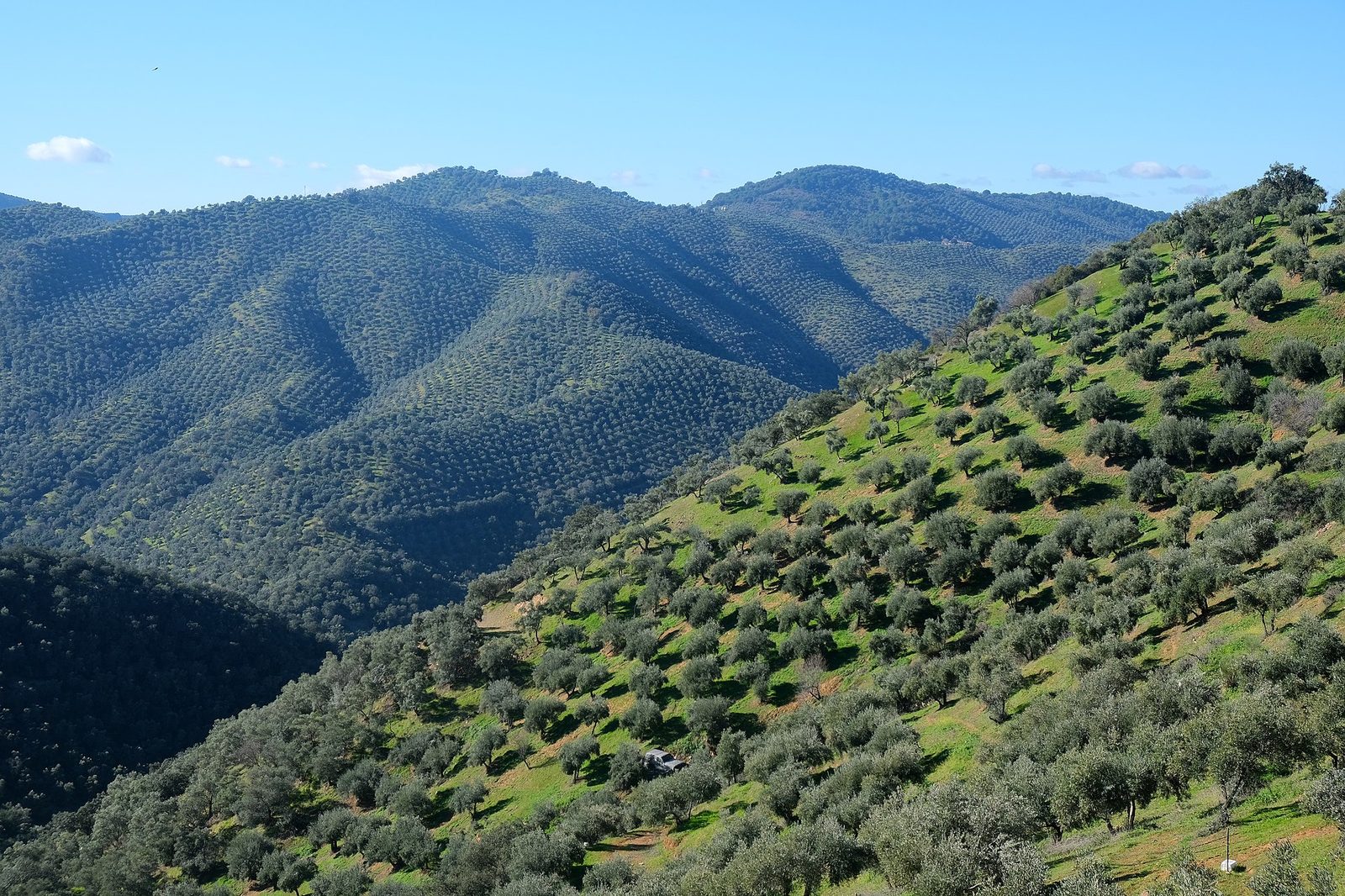
Ask any olive grower what they fear most and the answer is often a fly. The olive fruit fly, Bactrocera oleae, is the crop’s oldest and most persistent enemy, and a bad fly year can gut a harvest that the weather had otherwise blessed. It thrives in mild, humid conditions, and when a season suits it, growers face the worst kind of loss: not just fewer olives, but poorer oil from the ones that survive. It is a small insect with an outsized grip on the price and quality of what you buy.
How the fly damages the fruit
The female fly lays her eggs inside the ripening olive. The larva hatches and tunnels through the flesh, feeding as it goes. That does two things at once. It ruins fruit outright, so there is simply less to press — the first blow, to quantity. And it opens the fruit to rot and fermentation, which raises the oil’s acidity and brings musty, fusty, off-flavours — the second blow, to quality. An olive that looks whole on the branch can be hollowed out and spoiling within.
Why it hits the best producers twice
This double blow is why the fly is so feared in the countries that make the finest oil. A serious infestation does not just shrink the crop; it drags down the grade of what remains, because fly-damaged fruit cannot make top extra virgin. High acidity and musty faults push oil out of the extra-virgin category altogether. So a bad fly year costs a region both ways — less oil to sell, and a lower average quality — and it can turn what looked like a good season into a disappointing one almost overnight.
Why mild, wet years are the danger
Here is the uncomfortable modern twist. The fly does badly in hard frosts and fierce, dry heat, and well in mild, humid conditions. As some Mediterranean areas trend milder and wetter in places, the fly’s good years grow more frequent. Growers fight back with monitoring traps, careful timing and an early harvest to beat the worst of the damage — picking green before the larvae ruin the fruit is one more reason a fast, early harvest so often means better oil. See what ‘extra virgin’ really means and Greek olives.
| Aspect | What the fly does | Result |
|---|---|---|
| Quantity | Larvae destroy fruit | Less oil to press |
| Quality | Opens fruit to rot | Higher acidity, musty faults |
| Grade | Damages the best fruit | Oil falls out of extra virgin |
| Weather | Thrives mild and humid | Worse in warm, wet years |
What it means for a buyer
- Understand that a bad fly year means both less oil and worse oil from a region — a double hit.
- Read high acidity and musty, fusty notes as classic signs of fly-damaged fruit.
- Note that mild, humid seasons favour the fly — a warm, wet year can quietly hurt quality.
- Value an early harvest : picking green beats the worst larval damage as well as making brighter oil.
The olive fruit fly: common questions
What is the olive fruit fly?
It is Bactrocera oleae, a small insect that is the olive’s oldest and most damaging pest. The female lays eggs in the fruit, and the larvae tunnel through the flesh as they feed.
Why is it so damaging?
It hits twice. The larvae destroy fruit, so there is less to press, and they open the fruit to rot, which raises acidity and brings musty faults — cutting both the quantity and the quality of the oil.
How does the fly affect oil quality?
Fly-damaged fruit ferments and spoils, pushing up the oil’s acidity and bringing musty, fusty off-flavours. That can drag oil out of the extra-virgin grade entirely.
When is the fly worst?
In mild, humid conditions. It does badly in hard frost and fierce dry heat, so warm, wet seasons are exactly when infestations flare and do the most harm.
How do growers fight it?
With monitoring traps, careful timing and often an early harvest — picking the fruit green before larvae ruin it. That early pick also tends to make brighter, more peppery oil.
A bad fly year hits a region twice: less oil, and worse oil, because infested fruit raises acidity and brings musty faults that push it out of the extra-virgin grade. The olive fruit fly is the grower’s oldest enemy, and as parts of the Mediterranean trend milder and wetter, its good years get more frequent. Watch for high acidity and fusty notes as the classic tells — and note that the early harvest that beats the fly is the same one that so often makes the brightest, most peppery oil. The pest and the craft are two sides of one coin.
Drawn from reporting on olive fruit fly (Bactrocera oleae) infestations and standard entomology and oil-quality science.