Italy’s Olive Harvest Bounces Back
After a disastrous season, a strong rebound is a relief — and a reminder that olive harvests have always swung wildly. One good year is not a trend, and one bad year is not doom. What matters is the direction over time, not any single figure.
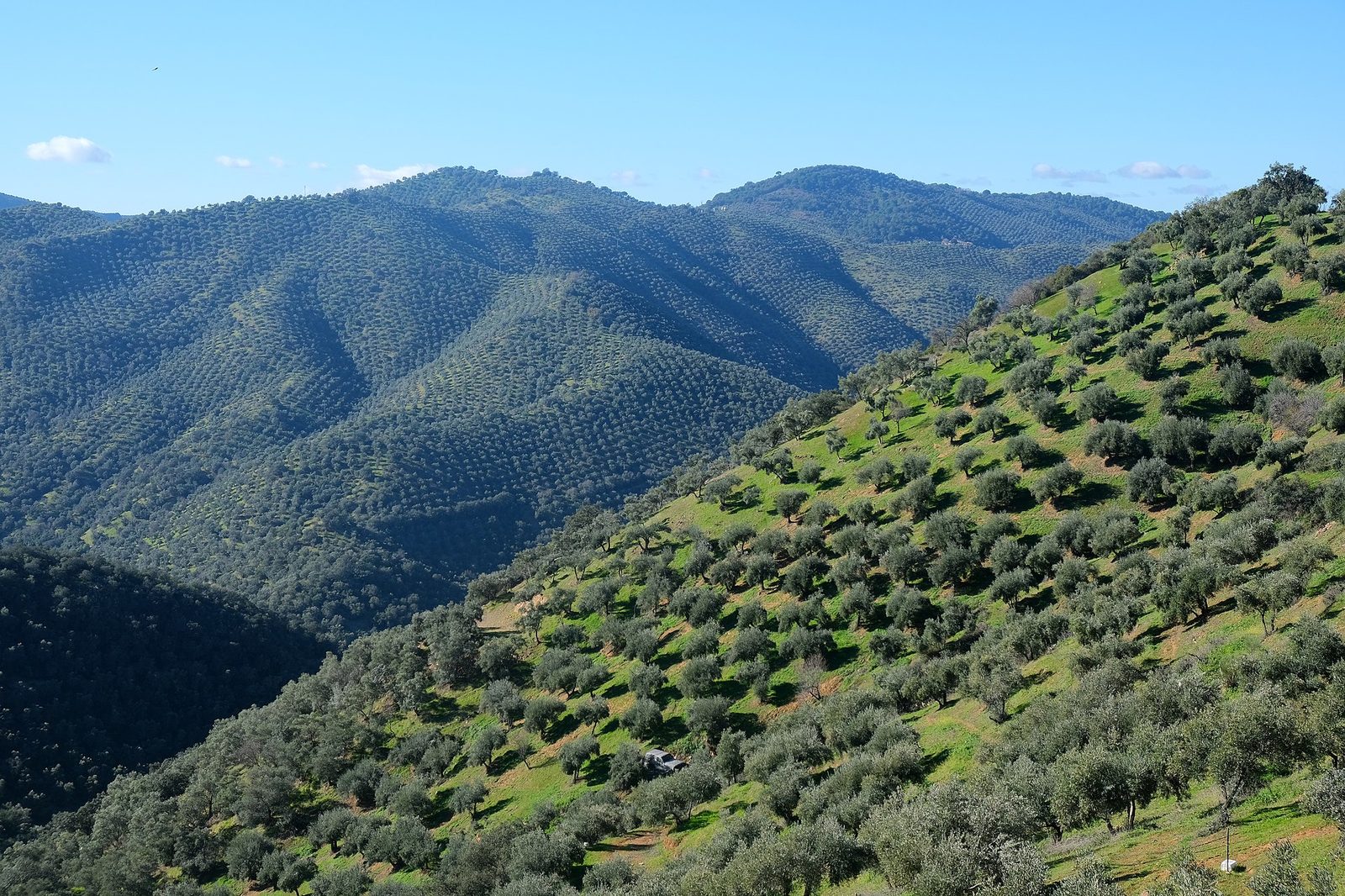
After a genuinely disastrous season, a big rebound feels like the world righting itself — and it is real relief. But it is also a reminder of something the trade has always known: olive harvests swing wildly, year to year, and always have. A rebound after a failure is not a return to certainty; it is the tree doing what the tree does. A single terrible year is not automatically a trend, and a single bumper year is not a promise of cheap oil to come. The figure that matters is the direction, not the headline number for one season.
Two forces behind the swing
Olive yields lurch for two reasons stacked on top of each other. First, the olive is alternate-bearing: a heavy crop drains the tree, so it rests and crops lightly the next year before rebounding — a natural on/off rhythm built into the plant. Second, weather, pests and drought add their own noise year by year. Put a built-in biennial rhythm under an unpredictable climate and you get harvests that leap from famine to feast and back, sometimes almost doubling or halving from one season to the next.
Why one year misleads
This is the trap in every harvest headline. A dreadful year invites panic; a bumper year invites complacency — and both are usually wrong. A single failure can be pure bad luck or ordinary alternate bearing, not the start of a permanent decline. A single record can be one kind season, not a new normal. Read either in isolation and you will misjudge where things are heading. The honest way to read the olive is to zoom out: look at a run of seasons and ask which way the average is drifting.
The direction is what to watch
It cuts both ways, and that is the point. A single bumper harvest does not mean cheap oil forever, and a single failure is not doom. What matters is the direction across many seasons — and the honest reading of recent decades is that failures have grown more frequent and more severe, as the climate presses harder on the old heartland. A good rebound year is a breather in that longer story, not a turning point. Judge the trend, not the twitch. See the true cost of an olive.
| Signal | Tempting reading | Honest reading |
|---|---|---|
| One bad harvest | ‘Permanent decline’ | Could be luck or alternate bearing |
| One bumper harvest | ‘Cheap oil forever’ | Could be one kind season |
| A run of seasons | — | The real signal — watch the direction |
How to read a harvest report
- Do not treat one bad year as doom or one good year as a trend — both usually mislead.
- Factor in alternate bearing : a light year after a heavy one may be the tree resting, nothing more.
- Watch the direction over several seasons : the drift of the average is the real signal.
- Read a strong rebound as a breather, not a turning point, in a longer climate story.
Reading olive harvests: common questions
Why do olive harvests swing so much?
Two forces stack up: the olive is alternate-bearing, cropping heavily one year and lightly the next on its own, and weather, pests and drought add further year-to-year noise on top of that natural rhythm.
Does a bad harvest mean permanent decline?
Not by itself. A single failure can be bad luck or ordinary alternate bearing. Only a run of seasons trending downward tells you something structural is happening.
Does a bumper harvest mean cheap oil to come?
Not necessarily. One record season can simply be a kind year. Prices depend on reserves and the following harvests too, so a single big crop is no guarantee.
What should I actually watch?
The direction of the average across several seasons, not any one year’s figure. That is where a real trend — up or down — shows itself, beneath the year-to-year noise.
Is the long-run trend good or bad?
The honest reading of recent decades is that failures have grown more frequent and severe as the climate presses on the traditional heartland. A good rebound year is a breather in that story, not a reversal of it.
It cuts both ways. A single bumper harvest doesn’t mean cheap oil forever, and a single failure isn’t doom. What matters is the direction — and the direction of recent decades, sadly, has been toward more frequent, more severe failures. A strong rebound year is a breather, not a turning point. Read the trend, not the twitch: zoom out across a run of seasons and ask which way the average is drifting, and you will understand the olive world far better than any one dramatic headline can tell you.
Drawn from Italian olive-oil production estimates and standard agronomy on alternate bearing and harvest variability.