Greece Prays for Rain as Prices Soar
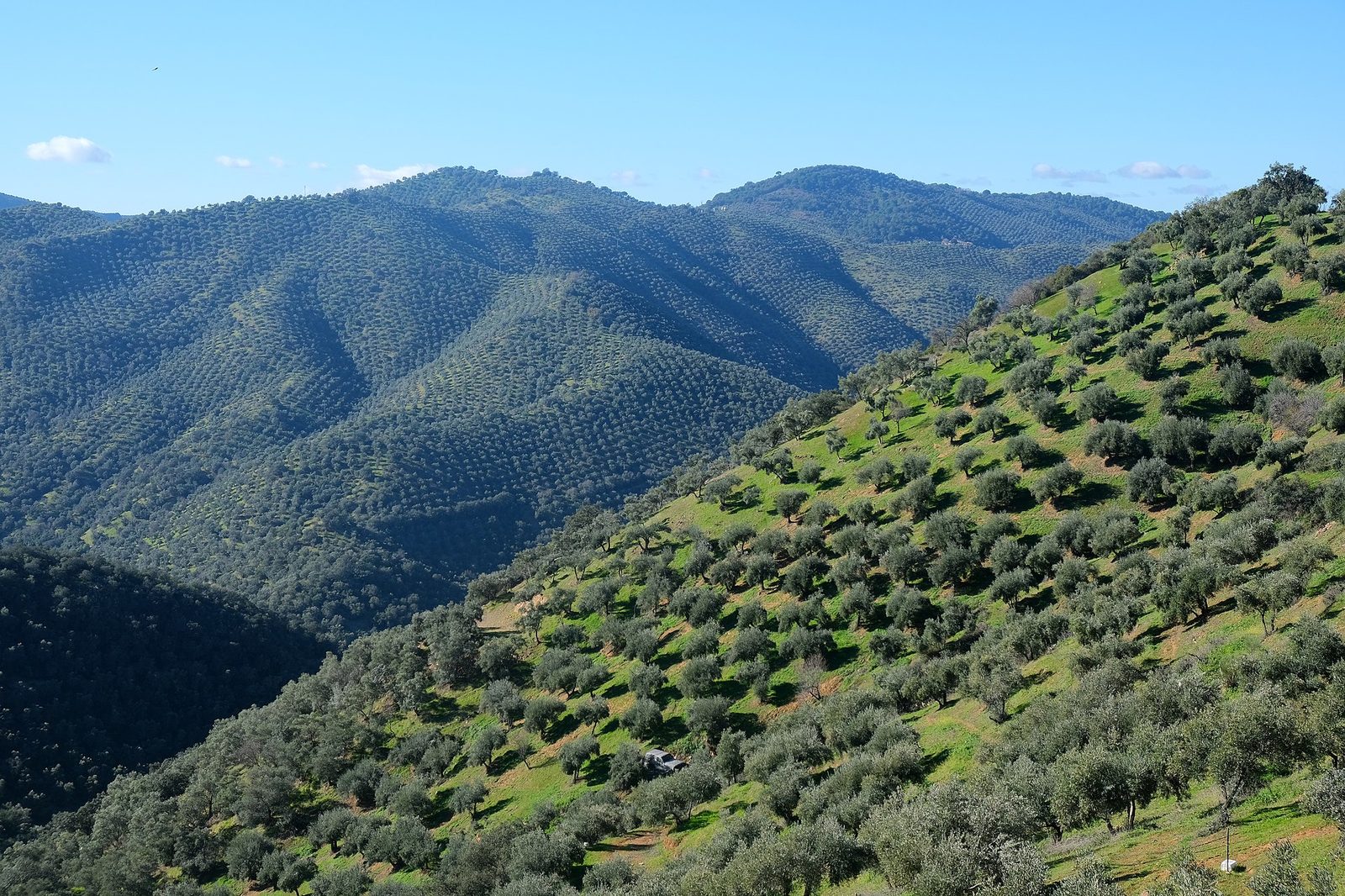
One summer, Greek producers warned that drought and extreme heat threatened the coming harvest, with wholesale extra virgin already running high across the Mediterranean. It was a scene repeated basin-wide: an entire industry, hostage to the same dry sky.

In the depths of the crisis years, Greek growers warned that continued drought and heat across the Mediterranean threatened the coming harvest. Even where the previous year had been decent, they feared a sharp reversal without rain, with wholesale extra virgin in Spain, Italy and Greece running at roughly €7.35–€9.00 a kilo. ‘Praying for rain’ had become the region’s default summer posture — and behind that phrase is real agronomy worth understanding.
Why drought is the olive’s chief enemy
The olive is famously tough — it survives on poor soil and little water where other crops die. But surviving and cropping are two different things. Prolonged drought and extreme heat at the wrong moment, especially around flowering and fruit-set in spring and early summer, cause the tree to shed flowers and young fruit to save itself. The tree lives; the harvest does not. A grove can look green and healthy and still give almost nothing after a brutal dry spring.
The problem with one harvest a year
Most of the world’s food crops offer more than one roll of the dice: a failed planting can be followed by another. The olive gives one harvest a year and no do-over. Miss the window with drought or heat, and there is no second crop to make it up — you wait a full year for the next chance. That single-shot rhythm is why a dry summer translates so directly, and so quickly, into a price spike.
When everyone is short at once
The deeper danger is correlation. In a normal bad year, one country’s shortfall can be covered by another’s surplus. But when the same heat and drought grip Spain, Italy and Greece in the same season, there is nowhere safe for the world’s oil to come from. Every major producer prays for the same rain at the same time — and prices have only one way to go. This is the mechanism climate change makes more common, not less.
| The tree’s strength | Survives drought and poor soil |
|---|---|
| The tree’s weakness | Sheds flowers and fruit under heat stress |
| Worst timing | Drought at spring flowering and fruit-set |
| The rhythm | One harvest a year, no second chance |
| The real danger | Whole basin short in the same season |
| The trend | Hotter, drier summers make it more common |
- The olive survives drought but will not crop through it.
- Flowering and fruit-set are the moments heat does most harm.
- One harvest a year means no do-over if the weather ruins it.
- The real risk is the whole basin failing at once — increasingly likely.
Drought and the olive: common questions
Doesn’t the olive tree love hot, dry weather?
It tolerates it far better than most crops, which is why it thrives in the Mediterranean. But prolonged drought and extreme heat at the wrong moment still cut the harvest sharply, even if the tree survives.
When does drought do the most damage?
Around flowering and fruit-set in spring and early summer. Heat stress then makes the tree drop flowers and young fruit to protect itself, so the crop collapses even on healthy-looking trees.
Why can’t growers just harvest again?
Because the olive gives only one harvest a year. Miss the window to drought or heat and there is no second crop — you wait a full year for the next one.
Why does one region’s drought raise world prices?
When Spain, Italy and Greece are hit by the same heat in the same season, no surplus is left anywhere to cover the shortfall, so prices climb everywhere.
Is this getting worse?
Hotter, drier Mediterranean summers make basin-wide shortfalls more frequent, which is why ‘praying for rain’ has become a routine summer refrain in olive country.
By the mid-2020s, ‘praying for rain’ had become the olive world’s default summer posture — from Spain to Greece, the same anxious wait on the sky. When every major producer is hostage to the same drought at the same time, the world’s oil has nowhere safe to come from, and prices have only one way to go. The tree endures ; the harvest is the fragile part, and increasingly the whole basin holds its breath together.
Drawn from Mediterranean drought and wholesale-price reporting during the crisis years.