Spain’s Record Olive Harvest of 2013/14
After a decade of shortage it is easy to forget the olive world once worried about a glut. In 2013/14 Spain brought in its biggest crop on record — a benchmark of abundance that every difficult year since has been measured against, and fallen short of.
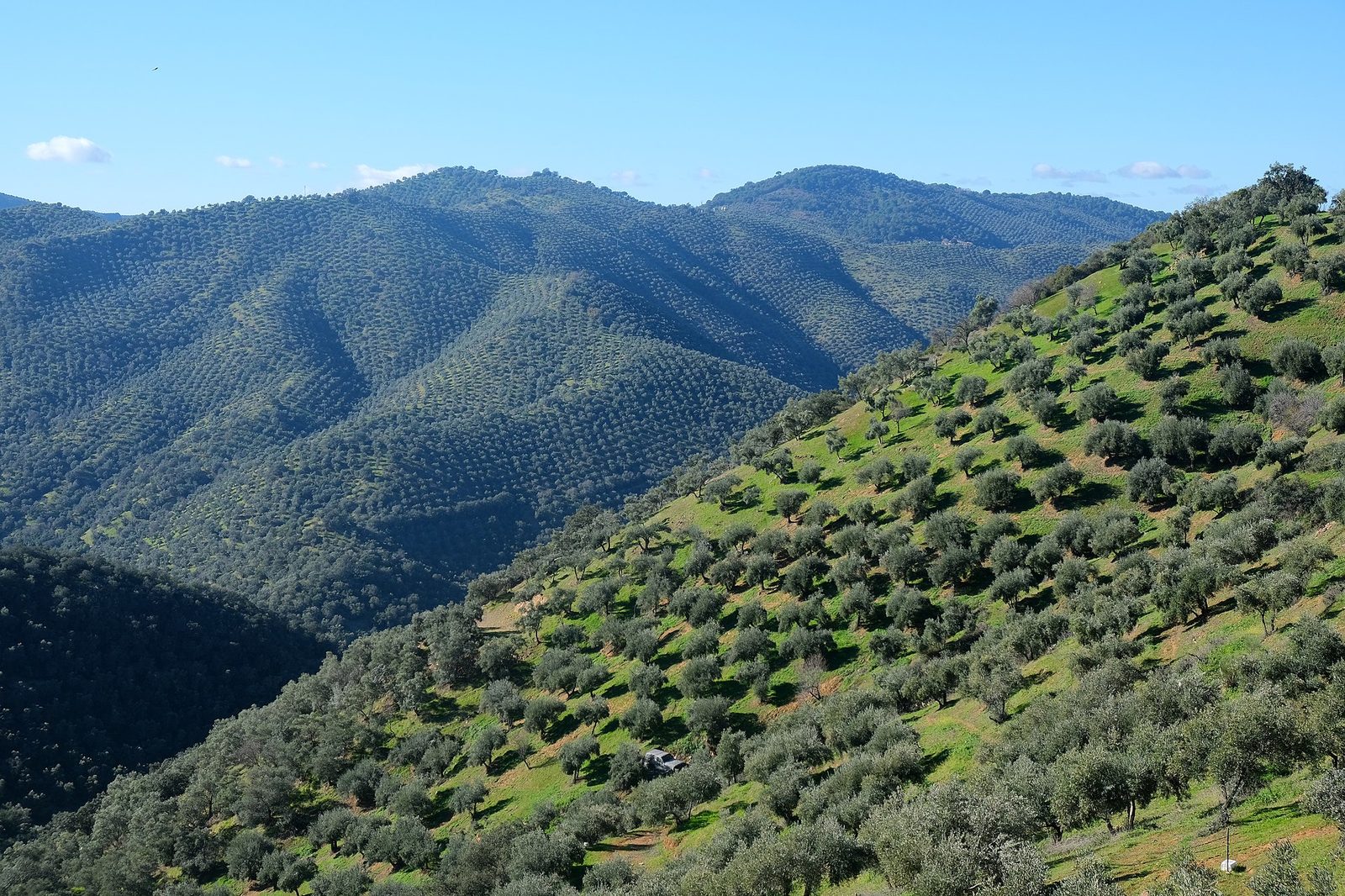
It is genuinely hard to remember, standing in today’s expensive aisle, that the olive world once fretted about having too much. In 2013/14 Spain — the dominant producer by a distance — brought in its largest olive-oil crop ever recorded, an enormous harvest that flooded the market and kept prices comfortably low. For the world’s biggest grower it was a banner year, and abundance felt like the natural order of things. It was, in fact, a high-water mark.
What a record crop meant at the time
A bumper Spanish harvest ripples outward as surely as a bad one. Because Spain sets the global floor price, its huge 2013/14 crop meant cheap, plentiful oil worldwide — good news for shoppers, less so for growers watching prices sag under the weight of supply. This is the flip side of concentration: when the giant has a great year, everyone’s oil gets cheaper, whether they wanted the glut or not.
Why it became a benchmark
The reason this particular record matters is what came next. Within a year the crop collapsed to a multi-year low, and a decade later the drought-battered harvests of the early 2020s produced only a fraction of the 2013/14 peak. That record is now the yardstick — the ‘before’ photograph against which every shortfall is measured. It is a quiet, precise measure of how much a warming, drying climate has since taken away.
The concentration problem in one number
The deeper lesson is about risk, not nostalgia. A single Spanish record can drag world prices down; a single Spanish failure can send them soaring. That is how concentrated this crop is — one country’s weather is, in effect, everyone’s price. It is exactly why the olive’s slow spread to new lands matters so much: the more places grow the tree, the less the whole world’s supply hangs on the sky over Andalusia.
| Season | 2013/14 |
|---|---|
| Event | Spain’s largest olive-oil crop on record |
| Market effect | Abundant supply, low prices worldwide |
| What followed | A collapse to a multi-year low the next season |
| Long view | Early-2020s droughts produced a fraction of it |
| The lesson | One country’s weather is the world’s price |
What to take from it
- A record Spanish crop means cheap oil everywhere — abundance is as global as scarcity.
- 2013/14 is now the benchmark every short year is measured against.
- The crop is dangerously concentrated — one country’s sky sets the world price.
- Spreading olive growing to new regions is the real hedge against that risk.
Spain’s 2013/14 record: common questions
What was special about 2013/14?
Spain produced its largest olive-oil crop on record — an enormous harvest that flooded the market and kept global prices low.
Why is it used as a benchmark?
Because every difficult year since has fallen short of it. It is the ‘before’ photograph against which later shortfalls, including the 2020s droughts, are measured.
Why does Spain’s harvest move world prices?
Spain is by far the biggest producer, so its output effectively sets the global floor. A record crop means cheap oil everywhere; a failure means soaring prices.
What happened after the record?
The very next season the crop collapsed to a multi-year low, beginning the volatile pattern that defined the following decade.
How can that risk be reduced?
By spreading olive growing to more regions, so global supply depends less on the weather over one corner of Spain.
Keep this record year in your back pocket, because it is the honest measure of everything that has happened since. In 2013/14 Spain grew more olive oil than ever before, and it felt permanent — cheap oil, full shelves, no drama. It was the peak, not the norm. The real lesson is not nostalgia but risk: one country’s weather effectively sets the whole world’s price, and that is a fragile way to feed a planet. Every new olive region planted somewhere cooler is a small insurance policy against the next Andalusian drought.
Drawn from USDA and International Olive Council figures on Spain’s record 2013/14 production.