In Focus: The Nyons Olive
The black olive of Nyons is one of France’s proudest. Grown around the Drôme town that gives it its name and made from the Tanche variety, it earned France’s very first olive appellation. Wrinkled, deep black and gently sweet, it is a benchmark for what a fine cured black olive can be.
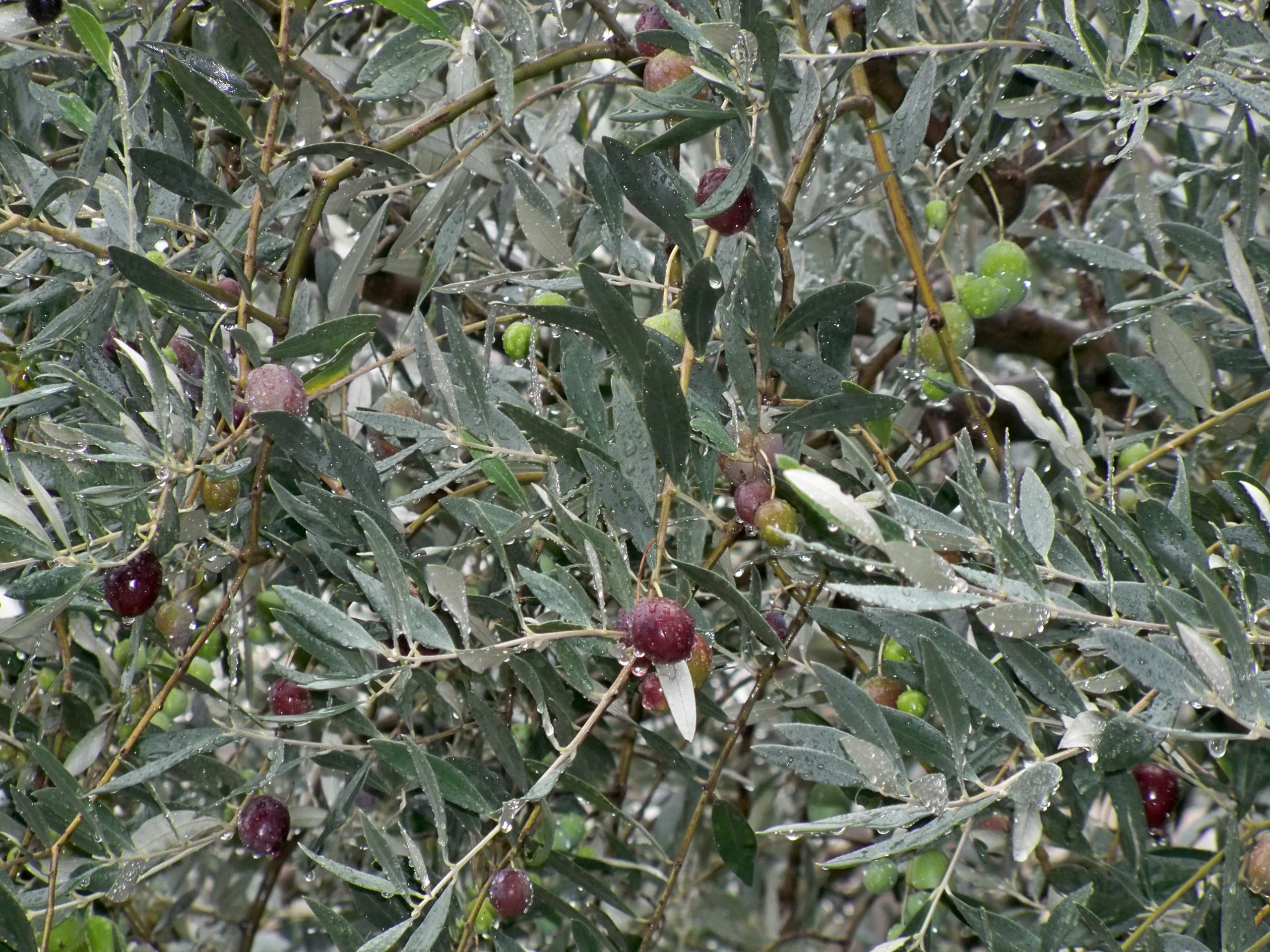
The Nyons olive is the Tanche variety, left to ripen fully to a deep black on the tree in the hills around Nyons in the Drôme, in south-eastern France. Picked late, often into winter, the fruit is brine-cured slowly, which gives it a characteristic wrinkled skin and a mellow, faintly sweet flavour with none of the harsh bitterness of a green olive. Its protected designation of origin, granted in 1968, was the first ever awarded to a French olive — recognition of a tradition the Drôme growers had kept for generations. The same fruit also yields a prized AOC oil.
Origin & character
Nyons sits near the northern limit of where the olive will grow in France, and the Tanche has adapted to that cool, late-ripening world. Because they are picked fully ripe and cured slowly, these are round, soft, almost wine-like olives — the opposite of a sharp green fruit. That mellow sweetness, and the AOC that guarantees it, is why Nyons became the reference point for a fine French black olive. For the wider picture, see French olives.
At the table
Nyons olives are best appreciated plain, where their soft texture and rounded sweetness can shine. Serve them as an aperitif with bread and a glass of Côtes du Rhône, scatter them through a daube or a tapenade, or simply eat them from the bowl. Because they are a single-variety, single-origin olive cured the traditional way, quality varies far less than with anonymous black olives — the AOC is your guarantee.
Real black versus fake black
Here is the blunt warning. Most cheap ‘black olives’ are not ripe at all: they are green olives darkened by oxidation and fixed with an iron additive (ferrous gluconate), a factory shortcut that gives a uniform, dull black and a flat taste. A true Nyons turns black on the tree, wrinkles as it cures, and tastes of it. Pay for the AOC name rather than a generic ‘black olives’ tub, and you taste the difference real ripening makes.
| Origin | Nyons, Drôme, France |
|---|---|
| Variety | Tanche |
| Type | Table olive (also AOC oil) |
| Protected origin | AOC/AOP Nyons (since 1968) |
| Harvest | December–January (ripe black) |
| Flavour | Mellow, sweet, wine-like; wrinkled skin |
| Best use | Plain as an aperitif; daube, tapenade |
Buying & using Nyons
- Look for the Nyons AOC name, not a generic ‘black olives’ tub.
- Beware oxidised black olives fixed with an iron additive — a true Nyons blackens on the tree.
- Serve them plain so their mellow sweetness can carry.
- They melt well into a daube or tapenade where you want soft, sweet richness.
Nyons olives: common questions
What variety is the Nyons olive?
It is the Tanche variety, grown around Nyons in the Drôme and left to ripen fully black on the tree before slow brine-curing.
Why is Nyons historically important?
Its designation of origin, granted in 1968, was the first ever awarded to a French olive, recognising a long-held Drôme curing tradition.
What does a Nyons olive taste like?
Mellow and gently sweet with a soft, wrinkled texture and an almost wine-like character — none of the harsh bitterness of a green olive.
How is a real Nyons different from cheap black olives?
A true Nyons turns black by ripening on the tree; many cheap black olives are green fruit oxidised and fixed with an iron additive, giving a flat, uniform colour and taste.
How should I serve Nyons olives?
Plain as an aperitif with bread and wine, or folded into a daube or tapenade, where their soft, sweet flesh shines.
Beware cheap ‘black olives’ that owe their colour to oxidation and an iron additive rather than ripening — a true Nyons turns black on the tree and tastes of it. Pay for the AOC name, serve them plain, and let their mellow sweetness remind you why this little Drôme town earned France’s first olive appellation. With a single-variety, single-origin olive like this, the appellation is doing real work: it is your guarantee against the anonymous, oxidised tub.
Drawn from the Nyons AOC and Drôme growing tradition.