Spicy Potato Tagine with Olives
This is a North-African one-pot where the olives are structure, not decoration — salty, bright, standing up to the warm spice. Cheap, forgiving, and better the next day. Master one rule and it never fails: add the olives late.
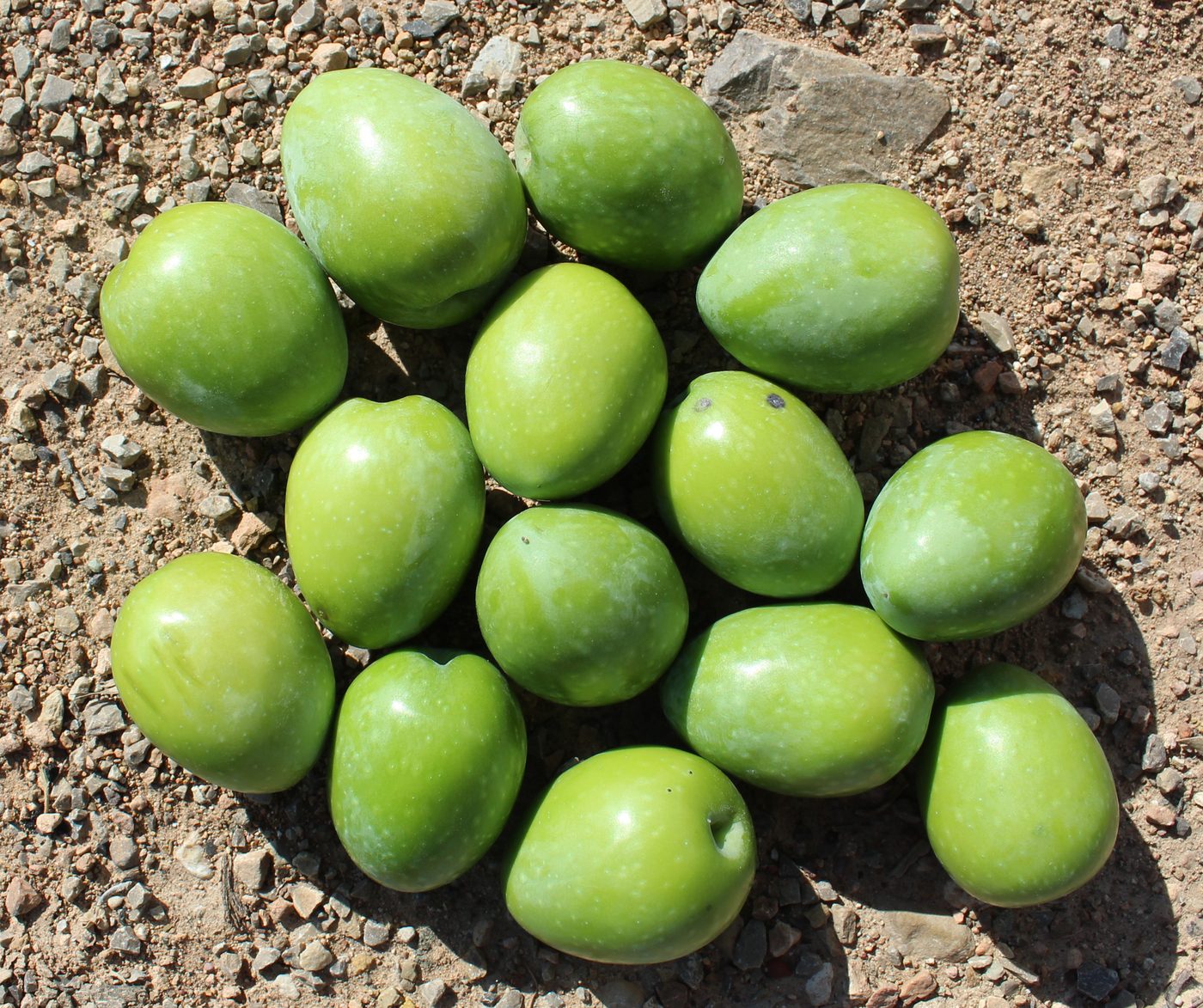
Olives belong in cooking far more than most kitchens use them. Here they do real work: cutting through the warm spice and the soft potato with a hit of salt and brightness that no amount of jarred seasoning can fake. The dish costs very little, forgives rough handling, and improves overnight as the flavours settle. But it rewards one small discipline that separates a good olive cook from a careless one — timing.
What you need (serves 4)
800 g waxy potatoes, chunked; 1 onion; 3 cloves garlic; 1 tsp each cumin, coriander and sweet paprika; a pinch of chilli; a strip of preserved-lemon or fresh lemon peel; a tin of chopped tomatoes; a good handful of green olives — Gordal or Picholine, pitted; good olive oil; coriander leaf to finish.
Method
Soften the onion and garlic in olive oil. Add the spices and cook for a minute until fragrant — this blooms them and stops the dish tasting raw and dusty. Add the potatoes, tomatoes, lemon and a splash of water, and simmer covered until the potatoes are nearly tender, about twenty minutes. Now stir in the olives and cook ten minutes more. Finish with torn coriander and a thread of raw oil. Serve with bread or couscous.
Which olive, and why it matters
Use a meaty green olive that holds its shape — a big Gordal, a firm Picholine, a Castelvetrano at a pinch. Avoid soft black olives here: they collapse, bleed grey, and turn the sauce muddy. The olive is doing a job in this pot, and a flabby one cannot do it. If you only have pitted olives in brine, drain and rinse them first, or the dish drifts salty before you have added a grain of your own.
| If you have no… | Reach for | Why it works |
|---|---|---|
| Gordal | Castelvetrano or another big green olive | Meaty, mild, holds its shape in the pot |
| Picholine | Manzanilla or Lucques | Firm and crisp, won't go to mush |
| Preserved lemon | A strip of fresh lemon peel + a squeeze of juice | Brings the same bright, bitter lift |
| Fresh chilli | A pinch of dried chilli flakes | Warmth without changing the character |
Take-aways
- Add olives near the end, not the start — long cooking turns them grey and bitter.
- Taste before you salt: the olives bring their own, and preserved lemon brings more.
- Choose a firm green olive that holds its shape; skip soft black ones here.
- Make it a day ahead — it is genuinely better after a night in the fridge.
Potato tagine with olives: common questions
Why add the olives at the end?
Long simmering leaches out their salt and turns them grey and bitter. Added in the last ten minutes they stay firm, bright and distinct — a flavour, not a background mush.
What are the best olives for this dish?
Firm green olives that hold their shape: Gordal, Picholine, Manzanilla or Castelvetrano. Avoid soft black olives, which collapse into the sauce.
Do I need preserved lemon?
No. A strip of fresh lemon peel and a squeeze of juice gives a similar bright, slightly bitter lift. Preserved lemon simply adds more depth if you have it.
Can I make it ahead?
Yes, and you should. Like most braises it is better the next day once the spice and olive settle into the sauce. Reheat gently and finish with fresh coriander and raw oil.
Is it vegan?
As written, yes — potatoes, tomatoes, spice and olives, dressed with olive oil. Serve with couscous or bread to make a full meal.
The single tip that matters: add the olives near the end, never at the start. Long cooking strips their salt into the sauce and leaves the fruit grey and bitter — you get the worst of both. Ten minutes is plenty to warm them through and let them give up just enough brine. And taste before you reach for the salt cellar: between the olives and a scrap of preserved lemon, this pot usually seasons itself.
A house recipe in the olives101 kitchen tradition.