Peru’s Purple Olives, Soaked in History
Three surviving saplings, a desert coast watered by pre-Hispanic canals, and a clay jar that gave the olive its name. Peru has been an olive country since the 1560s — and its finest olive is still routinely sold under somebody else’s.
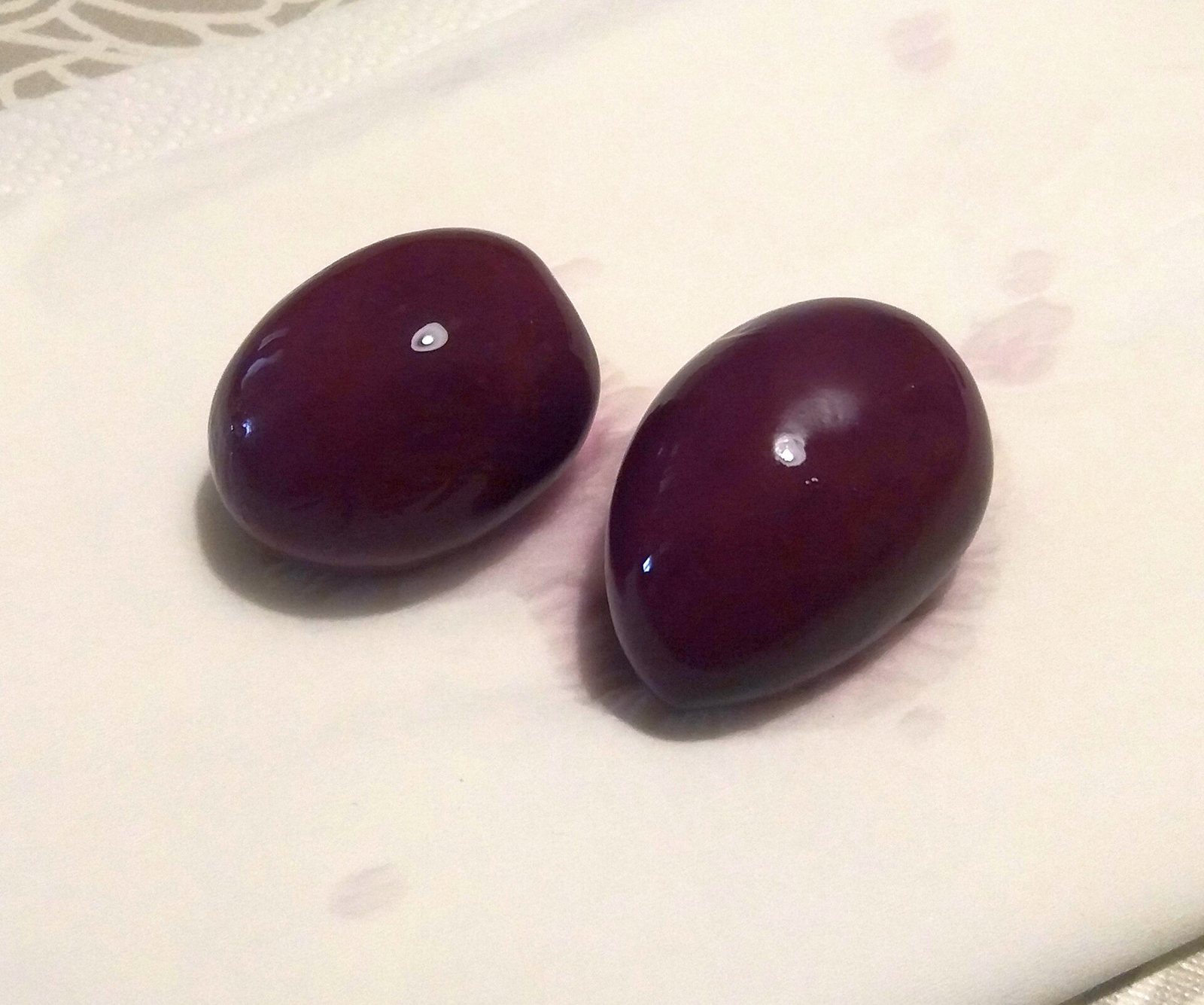
It surprises people that Peru is an olive country at all. It has been one for well over four centuries, and its olives are not a curiosity: they are the backbone of South American table-olive growing, the standard against which Chilean and Argentine fruit gets compared, and — as we shall see — a regular stand-in for a far more famous Greek olive on shelves thousands of miles away.
How the olive crossed the Atlantic
The story that survives is a good one and, unusually, appears to be broadly true. In 1560 a Spanish colonist, Antonio de Rivera, sailed from Seville to Lima with something over a hundred olive saplings in the hold. Three of them lived. From those three, and from later imports, an entire continent’s olive growing descends.
Lima’s mild, almost rainless coastal climate suited them. Two centuries later the grove that grew from those first trees held more than two thousand olives, and by Peruvian independence in 1821 something close to three thousand. That grove still exists — El Olivar, in the San Isidro district of Lima, now a public park with old, gnarled olive trees standing among the apartment blocks. It is one of the very few places in the world where you can walk under sixteenth-century olive trees in the middle of a capital city.
From Lima the trees went south, into the desert valleys of Arequipa, Moquegua and Tacna — country with almost no rainfall but with rivers off the Andes and, crucially, irrigation canals built long before the Spanish arrived. The olive did not so much conquer Peru as move into an irrigation system that was already waiting for it.
The Botija and its jar
Peru’s signature olive is large, deep purple to near-black, soft, juicy and distinctly winey. It is known almost universally as the Botija — and the name is not a variety name at all. A botija is the round earthenware jar that colonial Peru used for storing and curing olives, oil and wine. The olive took the name of its container, which tells you how central the jar was to the whole business.
In the export trade you will also meet the name Alfonso, used for large, dark, wine-cured South American olives of this type. Names in this corner of the trade are loose and commercial rather than botanical, and you should treat them as descriptions of a style — big, purple, soft, wine-and-vinegar cured — rather than as precise cultivar identifications.
The curing is what makes it. A long brine fermentation, often finished with wine or vinegar, gives a fruit that is mellow rather than sharp, with a soft, almost creamy flesh and a faintly sweet, vinous finish. It is not a crunchy olive and was never meant to be. Peruvians eat it with bread and fresh cheese at breakfast, in causa and in salads, and blitz it into the dark, glossy olive sauce that comes with pulpo al olivo.
| Common name | Botija — after the earthenware jar used to cure and store olives |
|---|---|
| Also traded as | Alfonso, and various regional names for large dark South American olives |
| Main region | Tacna, with Moquegua and the Yauca valley in Arequipa |
| Climate | Desert coast — almost no rain, irrigated from Andean rivers |
| Harvest | Roughly May to August (southern hemisphere) |
| Cure | Long brine fermentation, frequently finished with wine or vinegar |
| Character | Large, deep purple, soft, juicy, mellow, faintly vinous |
| Historic grove | El Olivar, San Isidro, Lima — descended from 1560s plantings |
The name on the jar
Here is the catch worth knowing, and it is the reason this article exists. The Botija is large, purple and wine-cured, which makes it look uncannily like a Greek Kalamata. Far from Peru — in North American delis, in supermarket olive bars, in restaurant kitchens — it is therefore sold, quite routinely, simply as Kalamata.
There is nothing wrong with the olive. It is excellent, and in some preparations I prefer it. What is wrong is the label. Kalamata is a protected Greek designation, and using the word for a Peruvian olive is not a harmless shorthand: it takes the reputation and the price of one product and attaches it to another, while quietly denying Peru credit for four and a half centuries of its own work.
The tell, if you want one, is texture and shape. A Kalamata is almond-shaped, firmer, sharper, more assertively acidic. A Botija is rounder, softer, sweeter, more yielding, with a wine note where the Kalamata has a vinegar edge. Once you have eaten them side by side you will never confuse them again — which is precisely why the substitution happens where nobody is comparing.
Buying and eating Peruvian olives
- Look for the name Botija rather than a generic ‘black olive’ — it is the marker of the real thing.
- Expect softness. These are not crunching olives; a firm, squeaky Botija has been picked early or cured fast.
- Buy them with the pit in for eating, and pitted only for sauces.
- Try the classic use: mashed with a little of their brine and oil into a purple sauce for cold potato or octopus.
- Check the season. Peruvian olives are harvested in the southern winter, so a spring arrival in the north is genuinely fresh stock.
- If a deli sells ‘Kalamata’ that is round, soft and sweet, you are probably eating Peru. Enjoy it, and know what it is.
Peruvian olives: common questions
What is a Botija olive?
Peru’s signature table olive: large, deep purple, soft and juicy, cured in a long brine fermentation often finished with wine or vinegar. The name comes from the earthenware jar traditionally used to cure and store it.
When did olives arrive in Peru?
In 1560, when the Spanish colonist Antonio de Rivera brought olive saplings from Seville to Lima. Only a handful survived the voyage, but South American olive growing descends from them and from later imports.
Where in Peru are olives grown?
Along the arid southern coast — chiefly Tacna, with Moquegua and the Yauca valley in Arequipa. There is almost no rainfall; the groves live on Andean river water carried by irrigation channels, some of them pre-Hispanic.
Is a Botija the same as a Kalamata?
No. They look similar — both large, dark and wine-toned — but a Kalamata is Greek, almond-shaped, firmer and sharper, while a Botija is rounder, softer and sweeter. Botija is nonetheless sold as Kalamata far from Peru, which is a labelling problem rather than a quality one.
When are Peruvian olives harvested?
Roughly May to August, the southern hemisphere winter. That puts fresh Peruvian stock on northern shelves out of step with the Mediterranean season.
The substitution is the part that irritates me. Peru has been growing olives since the 1560s, on a desert coast, using canals older than the Spanish, and has produced a genuinely distinctive fruit : rounder, softer and sweeter than anything in Greece. And the reward for four and a half centuries of that is to be sold under a Greek name because it is the one shoppers recognise. When you see a soft, round, sweet ‘Kalamata’ in a deli tray, ask where it came from. Half the time the answer is Tacna — and the olive deserves to be sold as what it is.
Historical detail from published accounts of the 1560 introduction and of El Olivar in Lima; curing and trade descriptions from standard table-olive references.